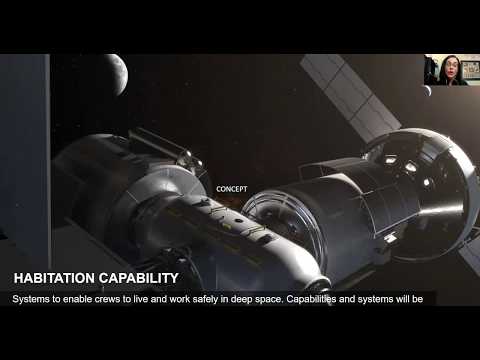
You know that feeling when you look up at the night sky and wonder what’s up there? I remember being a kid, laying on my back in the grass, dreaming about space. My friend once told me that if you squint hard enough, you might just spot aliens waving at you. Yeah, right! But hey, that goofy thought stuck with me.
Fast forward a few years, and here we are—more curious than ever about the cosmos. Space exploration isn’t just for astronauts anymore; it’s like this super cool party that includes all of us. Seriously! With every rocket launch and mission to Mars, we’re discovering more about our universe and ourselves.
And science outreach? Wow! It’s like the bridge connecting all that mind-blowing stuff to people like you and me. It’s about sharing excitement, sparking dreams, and encouraging everyone to ask questions—and trust me, there are a lot of questions!
So grab your imaginary spacesuit! Let’s chat about this amazing adventure we’re all part of: space exploration and how it connects us through science outreach. Buckle up—it’s gonna be fun!
Discovering NASA Kids’ Club: Ideal Age Range for Inspiring Young Scientists
Nasa Kids’ Club is like a treasure chest filled with fun and educational resources for young minds interested in space and science. So, what’s the ideal age range for getting kids hooked on this cosmic adventure? Well, the club is really aimed at kids aged 4 to 12 years old.
Why this age group? Think about it: between these years, children are super curious. They’re like little sponges, soaking up everything around them. You might notice that when a child is around 5 or 6, they start asking those big “why” questions about the stars, planets, and everything else up there. That’s where NASA Kids’ Club comes in!
Now let’s break it down a bit more:
- For ages 4-6: This is the perfect time to spark that initial interest. Activities are often colorful and interactive. Imagine games about sorting planets or matching astronauts! These fun activities help kids learn basic concepts like what space is and who explores it.
- Ages 7-9: Here, kids can dive deeper into science concepts. They can learn about gravity or even how rockets work! They might enjoy simple experiments or challenges that let them play with science in a hands-on way.
- Ages 10-12: At this stage, their understanding becomes more sophisticated. They’re ready for projects that challenge them creatively and scientifically—like designing their own mission to Mars! There are also opportunities to engage with real-life scientists through videos or interactive content.
I remember when I was around eight years old; my teacher brought in a video about astronauts living in space. The excitement was electric! We all wanted to know how they eat, sleep, and even float around in zero gravity. That’s kind of the experience NASA Kids’ Club offers—it’s all about fostering that excitement.
Another cool thing is the community aspect of NASA Kids’ Club. Even if kids are learning alone at home, they can still connect with others through online activities or shared projects. This makes learning social and fun!
In short, if you have little ones who show an interest in space—or even if they’re just curious—NASA Kids’ Club provides an incredible opportunity to inspire them. You can easily take advantage of those formative years between ages 4 and 12 to plant the seeds of curiosity that could grow into a lifelong passion for science. How awesome is that?
Unveiling the Cosmos: The Thrilling Importance of Space Exploration in Advancing Science
Space exploration is one of those things that, frankly, just gets your mind racing, doesn’t it? I mean, think about it. For centuries, we’d look up at the stars and wonder what’s out there. And now? We’ve got rovers on Mars, space telescopes surveying distant galaxies, and even plans to send humans back to the Moon! The importance of space exploration goes way beyond just “cool pictures” and “fun facts.” It plays a critical role in advancing our understanding of science as a whole.
First off, space exploration has a way of pushing technology forward. Seriously! Every time we send something into orbit or beyond, we’re forced to innovate. Take the satellite technology, for instance. Those little machines orbiting Earth are crucial for GPS systems—without them, getting lost would be much more common than it already is! Not to mention how satellites help us understand climate change by providing essential data about Earth’s atmosphere.
Then there’s the whole aspect of scientific discovery. Exploring space helps us answer some profound questions about our existence. Like, are we alone in the universe? Projects like the Search for Extraterrestrial Intelligence (SETI) use advanced technology to listen for signals from other civilizations. So as we search for life out there in the stars, we’re also figuring out what makes life possible here on Earth.
But it’s not just about finding aliens or new planets. Space missions help us understand our own planet better too! For example, studying Mars can give us insights into Earth’s geology and climate history—like an interplanetary mirror reflecting our own past. Isn’t that wild?
And let’s chat about inspiration for a second because that’s huge! Think back to when you were a kid—or even now—seeing images from space missions sparks something inside you, doesn’t it? It makes you dream bigger and think differently. NASA’s Apollo mission, which landed astronauts on the Moon back in 1969, didn’t just give us lunar dust samples; it ignited passion in entire generations to explore science and engineering.
Now here comes another layer: international collaboration. Countries working together on projects like the International Space Station (ISS) show how science can unite people across borders. This teamwork leads to breakthroughs that might not happen if countries worked alone.
Also worth mentioning is how all this knowledge spills over into everyday life! Technologies developed for space exploration have found their way into our daily routines—things like memory foam mattresses and scratch-resistant lenses originally stemmed from research aimed at making living in space more comfortable!
In essence, space exploration serves as a powerful reminder of how interconnected we all are—with each tiny step we take beyond Earth’s atmosphere helping us leap forward in science right here at home. That thrilling blend of curiosity and innovation fuels not only technological advances but also our quest to find meaning in this vast universe.
So next time you see an incredible photo taken by the Hubble Space Telescope or hear about a new rover landing on Mars, remember: you’re witnessing history-making events that impact humanity far beyond exploring distant worlds. Doesn’t it feel exciting to be part of this journey?
Exploring Science Through Play: How NASA Kids’ Club Engages Young Minds in Learning
You know, when you think about space exploration, it might sound all serious and technical. But actually, one of the coolest ways to get kids interested in this vast universe is through play! The NASA Kids’ Club really nails this idea by making learning both fun and engaging.
Why Play Matters
Think back to when you were a kid. Remember those moments when you were lost in your imagination? That’s what play does! It sparks creativity and helps young minds explore new ideas without any pressure. When kids are having fun, they’re more likely to absorb information without even realizing it!
NASA Kids’ Club
So, NASA Kids’ Club is like a treasure chest filled with interactive games and activities that connect kids with real science concepts. These aren’t just random games; they’re designed around actual missions and discoveries made by NASA. Each game offers a glimpse into the world of astronauts, scientists, engineers, and all the amazing roles that make space exploration happen.
Here are some fun features:
- Interactive Games: Kids can pilot a rocket or land a rover on Mars! This hands-on experience allows them to understand the challenges faced in space.
- Educational Resources: They also provide articles and videos that explain complex subjects like gravity or planetary science in simple terms.
- Creative Challenges: Kids can design their own spacecraft or create imaginative stories about exploring new worlds.
Real-World Connections
What’s awesome is how these activities tie back to real-life missions. For instance, if a kid plays a game where they help astronauts build a habitat on Mars, they’re not just playing—they’re learning about teamwork and engineering challenges that scientists are actually tackling right now!
I remember hearing about a kid who built his own model rocket after playing one of these games. He was so excited—like he had touched the stars just by using his hands. It was moments like these that show how play can ignite passion for science.
A Community of Young Explorers
The platform isn’t just about solo play; it creates a sense of community too. Kids can share their experiences with others who are just as excited about space as they are. They learn from each other while having fun—like little mini-scholars bonding over their shared love for exploration!
In our fast-paced world, it’s crucial to find ways like this to inspire curiosity. After all, **the future of exploration** depends on today’s young minds discovering their potential through play while they’re learning—who says learning can’t be an adventure?
So next time you see kids engrossed in playful activities related to science or space exploration, remember: they’re not just playing; they’re paving their paths towards becoming the next generation of explorers! It’s quite heartwarming when you think about it—their laughter today could lead to groundbreaking discoveries tomorrow!
Can you imagine standing outside one night, looking up at the twinkling stars and feeling that rush of curiosity? I remember doing just that as a kid, lying on my back in a grassy field, wondering what those dots of light were. It sparked something in me, a desire to know more about what’s out there. That feeling—man, it sticks with you.
Space exploration is a wild ride. From the early days of dreaming about reaching the moon to now sending rovers to Mars, every step feels like cracking open a treasure chest of knowledge. You’ve got scientists and engineers working their magic to push boundaries we never thought possible. Remember when Neil Armstrong took that one small step for man? It was monumental. It’s not just about rockets and astronauts; it’s about igniting our imagination too.
But here’s something super cool: science outreach plays a massive role in making all this knowledge accessible. Have you ever been to a science fair or an observatory event? Those moments where they break down complex ideas into fun activities or captivating talks? That’s magic right there! They help bridge the gap between what scientists do and what we understand as everyday people. Honestly, it makes science feel less intimidating and way more relatable.
And guess what? The journey doesn’t stop with professionals; anyone can dive into space exploration at home! With online resources and community events popping up everywhere, you can watch live streams of missions or even participate in citizen science projects from your couch! How neat is that?
So yeah, exploring space is not just about the technology or discoveries; it’s also about bringing us all together through shared interest and enthusiasm for understanding the universe. It inspires not only young minds but everyone who dares to gaze into the sky, giving us a sense of belonging in this vast cosmos.
I still look up at those stars with wonder, and every mission reminds me that our thirst for knowledge knows no bounds. It’s exciting—not just for scientists but for anyone willing to ask questions and dream big!