So, the other day, I was sitting in a coffee shop, right? And there was this cute little bird outside. It kept chirping like it was auditioning for a musical or something. But then I looked closer and saw it hopping around a pile of trash. Total buzzkill!
Seriously, have you ever thought about how much junk we toss out every day? It’s wild. Pollution’s like that annoying friend who just won’t leave the party. You know you want to enjoy the good stuff, but they keep bringing everyone down.
But here’s the thing: people are getting super creative with ways to fight back against pollution. From crazy inventions to community initiatives, folks are stepping up in some seriously inspiring ways.
Let’s chat about some of these innovative approaches and see how we can protect our planet together, shall we?
Exploring Innovative Pollution Control Methods: Advances in Environmental Science
Pollution is like that uninvited guest at a party; it just keeps crashing our environment and making things uncomfortable. Luckily, scientists and innovators are coming up with cool ideas to help clean up the mess we’ve made. Let’s break it down a bit.
One standout area is **bioremediation**. This fancy word basically means using living things, like plants or microbes, to clean up polluted areas. For instance, some plants can actually absorb toxins from the soil and water. How amazing is that? It’s like nature’s little cleanup crew!
Then there’s **air purification technology**. We all know how bad air pollution can be for our health—and frankly, it smells terrible too! New technologies use filters or chemical processes that can literally scrub the air clean. Some systems even use sunlight to break down pollutants! Imagine breathing fresh air again in cities where it was once all smoggy—just think about how refreshing that would feel.
Another innovative approach involves recycling waste materials into new products. For example, companies are starting to make construction materials from plastic waste. This not only reduces the amount of plastic piling up in landfills but also cuts down on the need for new resources. So you’re killing two birds with one stone, right?
Let’s not forget about **smart technology** either! The rise of sensors and AI helps monitor pollution levels in real-time. With this data, cities can make better decisions—like reducing traffic in areas where the air quality dips too low, so folks aren’t breathing in unhealthy stuff.
To wrap it all up:
- Bioremediation: Using plants or microbes to clean polluted areas.
- Air purification: Technology that scrubs pollutants from the air.
- Recycling waste: Making new products from old materials.
- Smart tech: Sensors and AI monitor pollution levels for better decision-making.
These methods give us hope! With every new idea tested out there in the field, we take steps toward protecting our planet for future generations. And isn’t that what we all want?
Effective Strategies to Combat Pollution and Enhance Environmental Preservation Through Scientific Innovation
Pollution is a big deal, right? It affects our health, our planet, and pretty much everything around us. But what’s really cool is that scientists are stepping up with some innovative strategies to tackle this issue head-on. Let’s break it down into some effective methods to combat pollution and promote environmental preservation.
- Green Technologies: These are tech solutions designed to reduce waste and emissions. For example, solar panels and wind turbines generate energy without polluting the air like fossil fuels do. Imagine harnessing the sun or wind to power your home. Exciting stuff!
- Biosensors: Ever heard of these little wonders? They can detect pollution at incredibly low levels—think of them as nature’s detectives! Scientists are using biosensors to monitor water quality in rivers and lakes. If there’s contamination, they can catch it before it becomes a bigger problem.
- Bioremediation: This is one of those fancy terms that means using living organisms to clean up polluted environments. You know how certain plants can absorb toxins from soil? That’s bioremediation in action! It’s like nature has its own cleanup crew.
- Circular Economy: Picture this: instead of tossing your plastic bottle in the trash, you recycle it into something new. A circular economy emphasizes reducing waste and reusing materials. The goal is to keep resources in use for as long as possible—pretty smart if you ask me!
But there’s more! Education plays a role too. Teaching people about pollution’s effects can inspire them to take action. Simple changes in daily life can make a difference. Think about using public transportation or biking instead of driving—you cut down on emissions and save some cash!
You might have heard stories of communities coming together for clean-up days at local parks or beaches; those moments not only beautify our environment but build community spirit too! Feeling part of something bigger can spark real passion for protecting our planet.
Anecdotes abound; I once joined a river cleanup with friends, pulling out trash that had been washed down during storms—it felt good transforming a dreary spot into something beautiful again! That sense of accomplishment reinforces why we need these innovative solutions.
The science behind combating pollution is continually evolving—it involves collaboration between researchers, policymakers, businesses, and individuals like you. Everyone has a role to play! So when you see new technologies emerging or community initiatives sprouting up around you, just remember: these efforts matter.
In short, through innovation and community engagement, we really do have the power to protect the earth and combat pollution effectively—one small act at a time!
Emerging Technologies in Science: Innovative Solutions to Combat Plastic Pollution
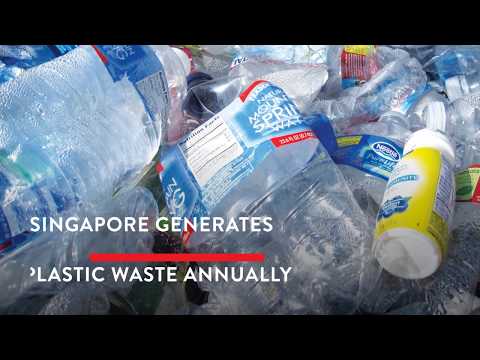
So, let’s chat about plastic pollution. It’s like that unwelcome guest that just won’t leave your party, right? You know, plastic is everywhere—on our beaches, in oceans, and even in the air we breathe. It’s a huge problem because it takes ages to break down and can harm marine life and ecosystems. But hey, there’s a silver lining: emerging technologies are stepping in with some pretty cool solutions to help tackle this mess.
One promising approach is **biodegradable plastics**. These are made from natural materials instead of petroleum-based ones. They can break down more quickly under the right conditions. Think of them like a snack that just disappears when the time is right! For example, there’re companies using cornstarch or even seaweed to create these alternatives. How neat is that?
Then there are **plastic-eating enzymes**. Yeah, you heard that right! Scientists have modified bacteria and enzymes to munch on plastic waste as if it were lunch. This research has come a long way; some enzymes can break down PET—one of the most common plastics—in just a few days instead of hundreds of years! Can you imagine? That’s like finding a magic potion for all those bottles laying around!
Now let’s not forget about **ocean cleanup technologies**. There’s this fascinating concept called “the Great Pacific Garbage Patch,” which is basically a floating island made up of plastic debris. Innovative devices like floating barriers are being deployed to capture this waste efficiently. The idea is pretty simple: these barriers funnel debris towards the center where it can be scooped up and removed from the ocean.
Another interesting tech development involves **advanced recycling processes**. Traditional recycling methods often leave us with heaps of plastic that aren’t recyclable anymore, which sounds frustrating! However, newer methods use heat and chemicals to break down plastics into their original molecules so they can be remade into new products repeatedly.
And here comes my favorite part: **community-driven initiatives**! While it’s not tech in the classic sense, communities around the world are using apps and platforms to organize cleanups or track local pollution levels using citizen science tools. This empowers people to take action on their own turf while also gathering useful data for researchers.
In short, tackling plastic pollution isn’t easy peasy—it’s more like solving a giant puzzle with changing pieces every day. But with things like biodegradable materials, enzyme innovations, ocean-cleaning technologies, advanced recycling methods, and community efforts popping up everywhere, we’ve got some exciting tools at our disposal!
So keep your eyes peeled on these developments; they’re not just ideas—they’re real solutions coming together for a healthier planet!
You know, pollution is one of those heavy topics that can feel super overwhelming. Like, just thinking about all the trash floating around in oceans or the smog in cities makes you kinda want to hide under a blanket. But then, every now and then, you hear about something really cool that gives you hope. It’s like a little light shining through the gloom.
Take, for instance, those new bioengineered plants that can absorb heavy metals from the soil. I read about this scientist who created a kind of “super plant” in her lab. The story went that she used her childhood love for gardening as motivation to tackle soil contamination. Her excitement when she got those plants working properly? You could just feel it jump off the page! It’s inspiring to see how passion can lead to tackling real-world problems.
What gets interesting is when people start using technology creatively—like drones to monitor air quality or even robots that clean up beaches. I mean, remember when we thought robots would only be good for doing menial tasks? Now they’re out there saving our planet! That’s pretty amazing if you think about it.
And then there’s community-driven initiatives. People coming together to organize clean-up events or create awareness campaigns—it’s heartwarming. Like, last summer, my friends and I went on this local beach clean-up day. At first, it felt like a drop in the ocean compared to the bigger pollution problem out there; but as we filled up bag after bag with trash, you really start feeling part of something bigger. It was sweaty work but also kinda rewarding.
So yeah, while pollution feels daunting—like staring down an impossible mountain—there are these bright spots showing us that change is possible. Innovative ideas and collective action remind us that every small effort counts and sometimes it just takes one determined person with a vision to spark something incredible! The Earth deserves our creativity and energy; after all, it’s our shared home!