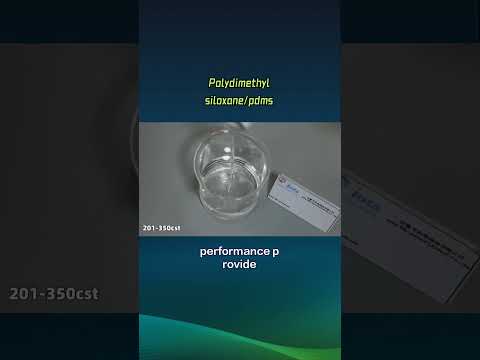
You know what’s wild? Polydimethylsiloxane, often just called PDMS, is in stuff you probably use every day. Yeah, it sounds all fancy and scientific, but it’s not just some lab nerd thing—it’s super practical!
I remember the first time I came across PDMS. I was trying to fix my squeaky door, and this friend handed me some silicone spray. Turns out? That spray had PDMS in it. A total game changer!
From your phone cases to medical devices, this silicone polymer is like the unsung hero of countless products. Cool, right? It’s not just about being flexible; it does some pretty amazing things that we often take for granted. Let’s chat about why PDMS is such a big deal today!
Exploring the FDA Approval Status of PDMS: Implications for Scientific Research and Application
So, let’s talk about polydimethylsiloxane (PDMS) and its connection to the FDA. You might know PDMS as that squishy, silicone-like stuff you find in all sorts of products, from skincare to kitchenware. But here’s the thing—when it comes to scientific research and applications, its approval status by the FDA can really influence how it’s used.
First off, PDMS is a type of silicone polymer. It has some pretty cool properties that make it super useful in labs and industries. For example, it’s flexible, hydrophobic, and can withstand a wide range of temperatures. But wait—just because something is useful doesn’t mean it’s automatically approved for every use!
The FDA regulates substances like PDMS mainly when they are used in medical devices or food contact items. The agency looks at safety data to determine if a substance is safe for public use. If there isn’t enough evidence saying that PDMS won’t cause harm when used in specific ways—like inside your body or touching your food—it won’t get that green light.
- Medical Applications: In medical settings, PDMS is often used for things like making implants or drug delivery systems. If researchers want to use it in something that goes inside a patient, they’ve got to ensure the FDA approves it first.
- Food Industry: For food contact surfaces or kitchen products made from PDMS, the FDA checks if any harmful chemicals could leach into food. If it passes these tests? Sweet! Otherwise, it’s back to the lab.
- Lack of Approval: Not having FDA approval doesn’t mean PDMS is unsafe; it just means there hasn’t been enough research submitted for those specific uses yet.
You see how this gets complicated? Imagine a scientist really wanting to develop a new device using PDMS but hitting a wall because they have to wait for approval. It’s like trying to bake a cake without having all your ingredients ready! This can slow down innovation and keep really cool ideas on hold.
An interesting emotional angle here is when researchers are passionate about their work but face these regulatory hurdles. I remember hearing about one team who spent years developing a device using PDMS for treating wounds but had to pause because they couldn’t get clarity from the FDA on its approval status for human use. It was frustrating—they believed in their product so much!
The implications of FDA approval (or lack thereof) aren’t just legal; they’re very much about real people hoping for better medical solutions or safer products. Researchers must balance innovation with regulatory compliance constantly.
If you think about it this way—once we do have clear guidance regarding PDMS from the FDA, more research could flourish! Scientists could explore new applications without as much red tape holding them back.
In short, while polydimethylsiloxane holds great potential across various industries and research fields, its FDA approval status directly impacts how freely scientists can explore those opportunities. The journey from lab bench to market shelf involves navigating not only creativity but also regulations that protect us all.
Exploring the Limitations of PDMS in Scientific Applications: A Comprehensive Analysis
Polydimethylsiloxane, or PDMS for short, is a silicone-based polymer that’s super popular in a lot of scientific fields. It’s used in everything from microfluidics to biomedical applications. But, like anything else, it has its limits. Let’s break down some of these limitations, shall we?
First off, one major limitation is its temperature stability. PDMS can handle temperatures up to about 200°C without breaking down. But beyond that? Problems arise. If you were to use it in an environment that demands high heat—like some industrial applications—it just wouldn’t cut it.
Another issue is chemical compatibility. PDMS is chemically inert, which sounds great at first. However, this means it doesn’t always bond well with other materials or surfaces you might need to work with. For instance, if you’re trying to create a hybrid device that needs PDMS and another polymer to stick together, you might run into challenges.
Also worth mentioning is swelling in organic solvents. So if you were using PDMS in microchannels filled with solvents like ethanol or methanol? It could swell and alter the flow dynamics. This isn’t just a minor inconvenience; it can seriously mess up your experiments.
Now let’s talk about mechanical properties. While PDMS is flexible and stretchy—like really stretchy—it can also be too soft for certain applications. For example, if you’re designing a device that needs structural integrity under stress (think biochips), PDMS might deform instead of maintaining its shape.
One of the more surprising limitations is its bacterial adhesion properties. While it’s often praised for being biocompatible, what they don’t tell you is that certain bacteria can stick to it quite easily. This can be problematic in medical devices where infection risk needs to be minimized.
Lastly, there’s the issue of aging and degradation. Over time—or when exposed to UV light—PDMS can lose its properties and may even become brittle. That’s definitely not something you want if you’re relying on this material in long-term applications.
In summary:
- Temperature stability: limited to around 200°C.
- Chemical compatibility: struggles with bonding.
- Swelling in solvents: alters flow dynamics.
- Mechanical properties: may be too soft for structural uses.
- Bacterial adhesion: certain bacteria prefer it.
- Aging and degradation:brittleness over time or exposure.
So yeah, even though PDMS has been a game changer for many scientists and engineers out there, it’s crucial to keep these limitations in mind when starting your projects! You wouldn’t want your experiment going south just because of a material choice, would you?
Evaluating the Toxicity of Polydimethylsiloxane (PDMS) to Human Health: A Scientific Overview
Polydimethylsiloxane, or PDMS for short, is a silicon-based compound that’s been gaining traction in modern science. You might have come across it in products ranging from kitchenware to medical devices. But here’s the kicker: its safety and potential toxicity are hot topics among researchers.
First off, PDMS is generally known for its stability and versatility. This polymer is resistant to heat, oxidation, and can repel water. Sounds great, huh? But let’s dig deeper into whether it poses any risks to human health.
What do studies say? Research into the toxicity of PDMS reveals that it’s relatively non-toxic under normal exposure conditions. For example:
- Animal studies have shown that when ingested or applied to the skin, PDMS doesn’t seem to cause significant adverse effects.
- It has a low rate of absorption in the body which means it’s not likely to build up over time.
However, like with most substances, context matters a lot. The way you come into contact with PDMS could change things up. When it’s used in high concentrations or if there’s prolonged exposure—like during industrial use—there might be concerns.
Now let’s chat about those concerns. Some studies suggest that at high doses, PDMS can lead to gastrointestinal issues when ingested and skin irritation with topical application. But these are pretty rare scenarios.
What about long-term exposure? That’s another big question hanging around here! Most data indicates that chronic exposure hasn’t shown alarming results for humans; however, more research is needed for certain applications such as medical devices. We want to ensure those aren’t causing unintentional harm!
And then there’s this fascinating aspect: some scientists even explore using PDMS as a medium for drug delivery in medical treatments! It has biocompatibility properties that make it appealing. But you know what they say: just because something seems safe doesn’t mean we should let our guard down completely.
So, you see? Evaluating the toxicity of PDMS isn’t black and white—it involves balancing its benefits against potential risks. If you’re using products containing PDMS casually—like silicone bakeware—you’re probably okay. But heavy industrial workers might need appropriate safety measures.
In summary:
- PDMS is generally safe for everyday use but context matters.
- Potential irritants arise when exposure levels increase significantly.
- The long-term effects in medical contexts need further examination.
The conversation surrounding PDMS is ongoing! As we learn more about it through research, we keep refining our understanding of its role in science and health—keeping us all safer along the way!
Alright, let’s talk about polydimethylsiloxane, or PDMS for short. It might sound like some sort of science fiction gadget, but it’s actually everywhere in our lives today. Seriously! This silicone-based compound is a bit of a superstar in the world of materials science and engineering.
So here’s the deal: PDMS is known for its flexibility and stability. You know how some materials can just crack or break under pressure? Not this one! It’s used in everything from kitchenware to medical devices. I remember this time when I was at a friend’s birthday party, and someone dropped one of those fancy silicone spatulas. Instead of shattering like glass, it just bounced back looking as good as new. That’s PDMS doing its thing!
But why is it such a big deal? Well, for starters, it’s biocompatible. This means that when it’s used in things like contact lenses or implants, our bodies don’t freak out and say “Hey! What’s this foreign object?” That’s pretty crucial! Imagine wearing something that your body hates – ouch!
Oh! And get this: PDMS can also be used in lab-on-a-chip technology, which is one of those cool scientific advances that lets us run multiple tests on tiny samples—like analyzing blood with just a drop! It’s kind of mind-blowing how something so small can lead to big discoveries.
Another cool application? In the world of electronics! PDMS even helps make components more durable against moisture and temperature changes. So whether you’re dealing with phones or sensors, this stuff keeps everything running smoothly—even if you left it out in the sun or tossed it around a bit.
But here’s where it gets even more interesting. Some researchers are experimenting with it in ways we never thought possible—think self-healing materials! Imagine shoes that could repair themselves if they got scuffed or torn; that would be fantastic, right?
So yeah, PDMS might not be the most glamorous topic at first glance. But when you start digging into its applications and impact on our daily lives – from kitchen gadgets to cutting-edge medical devices – you realize it’s an unsung hero helping us innovate and improve countless aspects of living.
Next time you see something made from silicone or hear about high-tech gadgets, maybe take a moment to appreciate the wonder that’s lurking behind polydimethylsiloxane!