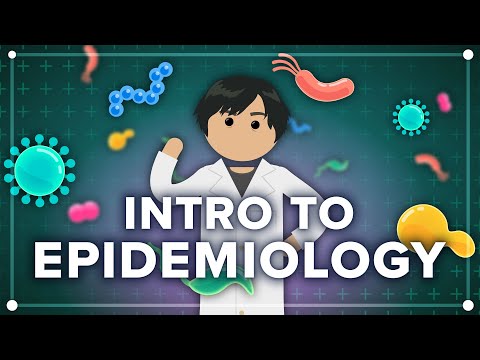
You know those moments when you start sneezing like crazy and everyone around you’s suddenly a doctor? Seriously, one sneeze and people are like, “Have you tried vitamin C? What about echinacea?” It’s wild!
But sneezes aside, there’s a whole world of science behind public health. And that’s where epidemiologists come in. They’re like detectives for diseases, tracing them back to their sources faster than you can say “contagious.”
Now, imagine diving deeper into that world through postdoctoral research. It’s not just about collecting data; it’s about figuring out why some folks get sick and others don’t. Pretty cool, huh?
So let’s chat about how these sharp minds are advancing public health in ways that can change lives—like making sure your next sneeze doesn’t turn into something major!
Enhancing Public Health Outcomes: Postdoctoral Opportunities in Epidemiology in California
So, you’re curious about postdoctoral opportunities in epidemiology, specifically in California? That’s a cool topic! Let’s dig into it because, honestly, it’s more relevant than ever.
Epidemiology is kinda like being the detective of health. You investigate how diseases spread, who gets sick, and what we can do to stop it. This field is essential for understanding pandemics and improving public health outcomes.
In California, there are vibrant research centers and universities focusing on public health. Stanford University, UCLA, and UC Berkeley are some of the big players. These places not only churn out groundbreaking research but also offer postdoctoral programs for budding epidemiologists.
Now, what can you expect if you dive into one of these postdoc programs? Well, here are some highlights:
- Research Projects: You’ll often work on projects that tackle real-world problems. Think about investigating the impact of air pollution on respiratory diseases or studying how social factors influence health outcomes.
- Collaboration: You’ll collaborate with experts from different fields like biostatistics, sociology, and environmental science. This interdisciplinary approach is crucial because health isn’t just about biology; it involves societal factors too.
- Networking: Being in California gives you access to numerous conferences and seminars where you can meet other researchers and professionals in the field.
- Funding Opportunities: Many programs have funding to support your research or even help you apply for grants. It’s a big deal since funding can sometimes feel like the holy grail in research.
- Main Focus Areas: Current issues during a postdoc might include infectious diseases (hello COVID!), chronic conditions like diabetes, or even mental health impacts due to environmental changes.
And let’s not forget about that personal touch! Imagine being part of a study that reveals why certain communities have higher rates of illness—like when I read about how folks living near industrial areas had worse health outcomes. It hit home because those aren’t just numbers; they’re people’s lives.
The experience you gain during a postdoc can set the stage for various career paths—maybe you’ll end up teaching at a university, directing community health initiatives, or even working with governmental agencies to shape public policy.
In short, if you’re into uncovering mysteries related to health in diverse populations while making substantial contributions to society? Postdoctoral opportunities in California’s epidemiology scene could be right up your alley! The sky’s the limit when it comes to discovering ways to enhance public health outcomes through this rewarding journey.
Exploring Innovations in Public Health: The Role of Postdoctoral Epidemiology Discussions on Reddit
Public health innovations are always changing, and you know what? Reddit has become a surprisingly cool place for postdoctoral discussions in epidemiology. Yeah, that’s right! It’s not just cat memes and viral dances; it’s also where serious conversations happen.
So, let’s break it down. Epidemiology is all about studying how diseases spread and affect populations. And postdocs? Well, they are those brilliant minds who have just finished their PhDs and are diving deeper into research. They’re like the devoted athletes of the science world, pushing boundaries and seeking new solutions.
On Reddit, these postdocs engage in discussions that can influence public health policies or spark innovative ideas. Imagine someone posting about a new outbreak of a disease in a specific area. A postdoc might jump in with insights based on their own research or experiences from similar situations. It’s like crowd-sourcing knowledge, where people share what they know to tackle global challenges together!
Here are some ways these conversations help advance public health:
- Network Building: Postdocs can connect with other researchers across the globe. Sharing experiences helps build relationships that can lead to future collaborations.
- Real-time Updates: You get up-to-date information on outbreaks or health trends. Instead of waiting months for publications, they can discuss findings as they emerge.
- Diverse Perspectives: With participants from various backgrounds—biomedical fields, social sciences, etc.—you get fresh ideas that might change your understanding of an issue.
- Problem Solving: When faced with a tricky epidemiological problem, many minds working together can lead to clever solutions that one person alone might miss.
Now think about this: during the COVID-19 pandemic, many scientists took to platforms like Reddit to share real-time data and strategies for containment and treatment. A community of passionate scholars was formed almost instantly! The exchange of ideas was fast-tracked because people weren’t limited by traditional publishing timelines.
Another interesting bit? Discussions often transcend technical terms and make complex information accessible for everyone. A postdoc might simplify intricate models used in disease tracking so that even folks outside academia can grasp them.
But it isn’t all sunshine and rainbows—there are challenges too. The anonymity of Reddit means misinformation can slip through the cracks if community members aren’t vigilant.
You see where I’m going with this? The role of postdoctoral epidemiology discussions on Reddit is significant precisely because it encourages innovation through collaboration while staying fluid with real-time information sharing.
So next time you think about public health advancements, remember there’s a bustling community on platforms like Reddit pushing boundaries one conversation at a time!
Exploring the Stanford Public Health Undergraduate Program: A Pathway to Innovations in Science and Community Health
Sure! Let’s talk about the Stanford Public Health Undergraduate Program and how it connects to innovations in science and community health. This program is like a bridge between academic learning and real-world applications, which is pretty neat, right?
The Foundation of Public Health
Public health is all about improving health on a community level. It looks at how diseases spread, what factors affect health, and ways to promote healthy behaviors. This program helps you dive into those topics while developing critical thinking skills.
Curriculum Highlights
The curriculum covers all sorts of interesting areas. You’ll study epidemiology, which is the study of how diseases impact populations. You’ll also get into biostatistics—basically understanding data related to public health issues. Think about it this way: if you have a ton of data from a recent outbreak, how do you find patterns? That’s where stats come in!
- Interdisciplinary Approach: You won’t just be stuck in one field! The program mixes courses from sociology, biology, environmental science, and policy.
- Research Opportunities: Students often get involved in exciting research projects. Some even work with local communities to address pressing health issues.
- Fieldwork Experience: Practical experience is crucial. You might participate in internships that let you work on real public health problems.
The Role of Postdoctoral Epidemiology
Now let’s chat about postdoctoral epidemiology—it’s like an advanced degree after your PhD focusing on research that can change things up in public health. This area allows scientists to dig even deeper into understanding diseases.
You might think: “What does this have to do with undergrads?” Well, the Stanford program sets you up for these paths! After getting your undergrad degree, many students go on to pursue advanced studies or work alongside epidemiologists who are figuring out solutions for today’s biggest challenges.
Anecdote Time!
I remember chatting with a dude who graduated from Stanford’s public health track a few years back. He talked about working on a project that focused on reducing smoking rates among teens in his hometown. His team gathered data from schools and created programs tailored for those specific communities—like specialized workshops and campaigns featuring relatable figures who shared their stories. It was super inspiring to see how he took what he learned and directly applied it!
The Future of Community Health
Finally, let’s not forget the impact this program can have on community health overall. By studying things like community behavior patterns or social determinants of health (yeah, those are a big deal), graduates help create targeted interventions that can make real changes.
Public Health isn’t just about preventing disease; it’s also about promoting well-being across diverse populations—like creating policies or programs that fit the unique needs of different groups.
In conclusion (oops!), I mean just wrapping up here: the Stanford Public Health Undergraduate Program opens doors not just academically but also for future innovations in science and community welfare. So if you’re curious about making a difference through science while learning all these valuable skills… well, this could be your playground!
You know, public health is one of those things that we often take for granted. Like, we just assume that when we go to the doctor or get a vaccine, everything’s going to be okay. It’s only when something big happens—a pandemic, maybe—that we really start to think about how fragile our health systems are. That’s where postdoctoral epidemiology comes in, and let me tell you, it’s pretty important.
Epidemiologists are basically detectives of health; they investigate how diseases spread and what factors influence them. Think of them as the people who connect the dots between statistics and real-world impacts on communities. After all, it’s not just about numbers on a graph—it’s about people’s lives! I remember feeling uneasy when COVID-19 started spreading everywhere. The news was confusing, and I just wanted answers. But listening to epidemiologists helped a lot; they broke down complex data into understandable insights that guided public policy and personal choices.
When folks pursue postdoctoral studies in epidemiology, they’re digging deeper into specialized areas after their PhDs. They’re honing their skills in research methods, statistical analysis, or community health. This is crucial because advanced training leads to better research tools that help tackle pressing health issues like infectious disease outbreaks or chronic illnesses tied to lifestyle factors.
Furthermore, these researchers often end up collaborating with governments or non-profits to inform public health strategies—like targeting vaccination campaigns or identifying at-risk populations for certain diseases. You see? They’re not just in the lab crunching numbers; they’re making waves out there in the real world! It can be so rewarding for them when their findings lead to policies that genuinely help people.
But it’s not always easy work. Public health is constantly changing due to things like global travel patterns or climate change effects on disease spread—talk about a moving target! And honestly? Sometimes it’s really challenging for these scientists to communicate their findings clearly so everyone can understand why certain actions are necessary.
So yeah, advancing public health through postdoctoral epidemiology is vital but also tough work—but it’s also fulfilling because it puts knowledge into action. We need those brains out there making sense of complex issues so we can navigate public health challenges together—and maybe even enjoy an ice cream cone every now and then without worrying too much!