You know that feeling when you’re in the middle of a project and everything just clicks? Like, all those numbers and data points suddenly start speaking to you? It’s like magic!
Well, that’s kind of what using Power BI for predictive analytics feels like. Imagine being able to look at mountains of scientific data and actually predict what might happen next. Sounds cool, right?
Picture this: you’re studying climate change patterns, trying to figure out if it’s going to snow in Miami next week (spoiler alert: probably not). But with the right tools, you can analyze trends and make educated guesses. How neat is that?
So, let’s chat about how Power BI can turn data chaos into clarity, especially in the realm of science. It’s like having a crystal ball, but way cooler—because it’s all based on real facts!
Exploring the Potential of Power BI for Predictive Analytics in Scientific Research
So, let’s talk about **Power BI** and how it can shake things up in the realm of **predictive analytics** for scientific research. If you’re into data and science, you’ve probably heard a lot about how important it is to analyze data correctly. But what if I told you that you could get more insights from your data with some nifty tools? That’s where Power BI rolls in.
What is Power BI?
You know, Power BI is like your best buddy when it comes to handling data. It lets researchers gather information from various sources and then transforms it into visually appealing reports. This means even if you’re not a total numbers geek, you can still understand what your data’s telling you.
Now imagine taking all those mountains of data—like results from experiments or surveys—and making sense of them with just a few clicks! It’s kind of magical how easily it integrates with Excel and other databases. That lets researchers focus on what really matters: understanding their findings.
Why Predictive Analytics Matter
Let’s get real for a second. In research, knowing what might happen next can be just as crucial as understanding what already happened. Predictive analytics uses past data to forecast future trends. So, for example, if you’re studying climate patterns, predictive analytics can help estimate future weather changes based on historical trends.
By using Power BI for predictive analytics, scientists can spot patterns that they might have missed otherwise. Think about a medical researcher tracking disease outbreaks—having predictions could mean the difference between being prepared or caught off guard.
How Does Power BI Fit In?
When researchers plug their historical data into Power BI’s dashboards, they get:
- Interactive Visualizations: Charts and graphs that make complex data easy to digest.
- Real-time Data Analysis: The ability to update reports on the fly with new information.
- User-Friendly Interface: Even those who aren’t tech-savvy can navigate through the tool without pulling their hair out.
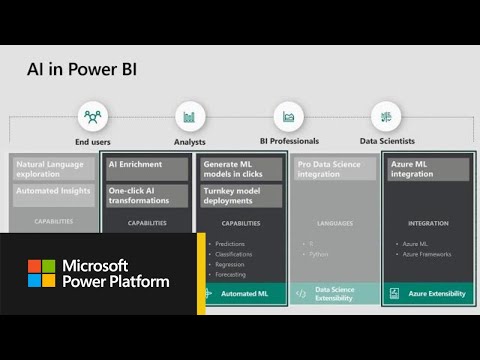
But wait—there’s more! With its machine learning capabilities, researchers can create models that predict outcomes based on various variables without needing a PhD in statistics.
A Real-World Example
Okay, let me give you an emotional example here. Imagine a group of scientists trying to predict the spread of a virus in a small town after an outbreak. They collect tons of relevant data—like temperature fluctuations or travel patterns—and plug everything into Power BI.
Using its predictive capabilities, they generate forecasts showing potential hotspots for infection weeks before actual spikes occur! With this info at hand, local authorities can act quickly and allocate resources effectively—saving lives while easing anxiety in the community.
The Takeaway
Basically, whether it’s environmental studies or public health research, **Power BI’s** ability to streamline predictive analytics puts powerful tools right in the hands of researchers everywhere. By transforming raw data into actionable insights with visuals that speak louder than words (and numbers), science moves forward faster than ever before!
So yeah… if you’re working in scientific research and haven’t explored Power BI yet? You might want to give it a look—it could lead to breakthroughs previously thought impossible!
Power BI in 2025: Assessing Its Demand and Relevance in Scientific Data Analysis
In 2025, Power BI is likely to be more than just a buzzword in the realm of data analysis, especially in scientific fields. You know how scientists often handle heaps of data? Well, Power BI could make that process a lot smoother and more efficient.
First off, let’s talk about demand. Scientists are always looking for ways to make sense of complex data sets. With the rise of predictive analytics, tools like Power BI will probably see an increase in usage. Imagine researchers trying to forecast disease outbreaks or climate changes; they’ll need intuitive visualization tools to interpret their findings easily. It’s kind of like having a magical crystal ball!
Here are some key factors driving the relevance of Power BI in 2025:
Now, consider this: when I was working on a group project back in college, we used different tools to compile our research. But if we had something like Power BI at the time, we could have visualized our data in real-time instead of spending hours reconciling information from various spreadsheets!
Moreover, as artificial intelligence and machine learning continue growing, incorporating these technologies into platforms like Power BI can enhance predictive capabilities even further. Scientists might build models that not only analyze past trends but also predict future outcomes based on current parameters.
The future landscape is exciting:
So yeah, if you think about it logically—scientists need actionable insights quickly and efficiently. They can’t spend all their time wrestling with numbers when there are real-world problems waiting to be solved!
In conclusion (not really concluding), as we approach 2025, expect that platforms like Power BI will play an essential role not just in how scientific research is conducted but also how discoveries are shared with the world. It’s all about making complex information accessible—you know? Isn’t it cool how technology is changing the way we understand science?
Exploring Power BI’s Role in Data Science: Is It a Valuable Tool for Scientific Analysis?
Well, let’s talk about Power BI and its role in data science. You might be asking yourself, “Is this tool really worth it for scientific analysis?” Well, the answer is kind of layered. Let’s unpack this!
First off, Power BI is basically a tool that helps you visualize and analyze data. Think of it as a fancy dashboard where you can spot trends, make graphs, and even share insights with your team or audience. You know how sometimes numbers can look super boring? Power BI makes them pop with color and charts.
Now, when it comes to predictive analytics, which is all about forecasting future events based on historical data, Power BI can be quite handy. Imagine you’re studying climate change. You’ve got a mountain of climate data—like temperatures over decades or CO2 levels—and you want to see what that means for the future of our planet. Using Power BI’s cool features like trend lines and forecasts can help you visualize those changes in a way that makes it easy to understand.
But hey, let’s get into the nitty-gritty of how this tool fits into scientific analysis:
- User-friendly Interface: Seriously, one of the best things about Power BI is how intuitive it is. You don’t have to be a coding wizard to use it! This means scientists can focus on their research instead of wrestling with complicated software.
- Data Connectivity: Power BI connects with various data sources easily—like Excel sheets or even big databases! This flexibility means you can pull in all that juicy data without breaking a sweat.
- Real-time Analysis: If your study involves changing variables—like tracking an outbreak in real-time—you can use Power BI to get updated visualizations instantly. That’s super useful when time is ticking!
- Collaboration: Sometimes research isn’t a solo journey; you’re working with other scientists or sharing findings with policymakers. With Power BI, sharing insights becomes a breeze. Everyone gets access to the same visualized data.
Now let’s consider an example! Imagine you are part of a research team studying air quality in urban areas. Using Power BI, your team could take daily pollution readings from various sensors placed around the city and visualize those readings over time. You’d not only see where air quality drops but could also highlight those areas on an interactive map! How cool is that?
However! It’s not all rainbows and butterflies; there are some downsides too:
- Cost: Depending on your institution’s budget, licensing fees for software like Power BI can add up.
- Learner’s Curve: While it’s generally user-friendly, some advanced features do require some learning to master them fully.
So yeah, while it has its quirks like any other tool out there, if you’re looking for something that helps transform complex datasets into digestible visuals for predictive analytics—Power BI could definitely be part of your toolkit.
In summary? It seems pretty clear: if used wisely, Power BI can add significant value. Whether you’re predicting disease outbreaks, observing environmental changes or analyzing social trends based on data—all while making it accessible for others—you might find yourself turning to this tool more often than not.
And who knows? Maybe one day you’ll look back at your journey through the world of scientific analysis and realize just how essential tools like this were in shaping your understanding!
So, let’s chat about Power BI and how it can seriously amp up predictive analytics in science. I mean, just think about it for a sec—data is everywhere! Whether you’re looking through mountains of research papers or sifting through lab results, there’s so much information just waiting to be turned into something meaningful.
I remember when I was working on a project in college. We had this massive spreadsheet filled with data from experiments. Honestly, most of us were drowning in numbers and percentages, trying to find patterns. It seemed almost impossible! But what if we’d had something like Power BI back then? Picture this: visual dashboards that brought our findings to life instead of a wall of text and figures. Just imagining that makes my heart race a little!
Power BI allows scientists to take data from various sources—like databases or even cloud services—and make sense of it all. So let’s say you’re studying climate change; you can pull in weather data, CO2 levels, and even historical events. You could create visualizations that show trends over time or predict future patterns based on present behaviors. And honestly, who wouldn’t want to see their raw data transformed into eye-catching graphs?
But it’s not only about pretty pictures; it also gives researchers the power to make informed decisions. Imagine working on a drug trial where real-time data updates keep everyone connected and informed. You could spot anomalies faster than ever before! This kind of responsiveness can totally change the game.
Of course, diving into predictive analytics isn’t always smooth sailing. There are challenges like ensuring that the data is clean and reliable—nothing worse than basing predictions on junk info! Plus, the algorithms used need to be carefully chosen so they don’t lead you astray or create biased results.
Still, when everything clicks into place? Man, it’s powerful! Scientists become storytellers with their data; they get to uncover insights that can influence policies or spark new lines of inquiry.
So yeah, harnessing Power BI isn’t just about tools; it’s like equipping researchers with superpowers to navigate through tons of information and make impactful predictions about the world around us. It’s thrilling stuff—like being at the forefront of change!