You know what’s wild? Proteins are basically like intricate origami creations made of tiny building blocks called amino acids. Seriously, these guys are the unsung heroes of life!
Imagine trying to fold a piece of paper into a perfect crane without any instructions. Now, picture doing that with a million different pieces, and you get a hint of how complex protein folding is.
It’s like a game of Tetris but with real consequences— important ones! The way proteins take shape can decide if we’re healthy or feeling crummy.
So, let’s unravel this together, shall we? You’ll see how proteins do their thing, and why their structure is super critical in the grand play of life. This stuff is foundational to understanding everything from biology to medicine. Pretty cool, huh?
Comprehensive Analysis of Protein Structure and Folding: Foundations for Life Sciences (PDF Download)
You know, proteins are like the superheroes of our cells. They do so much stuff! And to understand what they do, we have to look at their structure and how they fold. So, let’s break this down a bit.
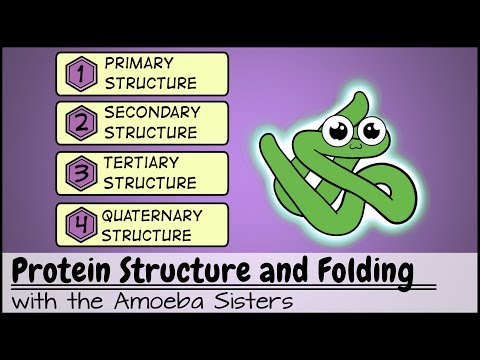
At its core, protein structure can be divided into four levels: primary, secondary, tertiary, and quaternary. Each one plays a unique role in defining how the protein works. Let’s look at these:
- Primary structure: This is just the sequence of amino acids linked together. Think of it like a string of beads. If you change even one bead (or amino acid), the entire necklace can look different!
- Secondary structure: Here’s where things start to get twisty and turny! The chain can form shapes like alpha helices or beta sheets due to hydrogen bonds between atoms in the backbone. It’s kind of like how you might bend a piece of paper.
- Tertiary structure: This is all about how those secondary structures fold up into a 3D shape. Imagine squishing up that bent paper into a ball; it becomes something entirely different! The specific shape here is crucial because it determines how the protein interacts with other molecules.
- Quaternary structure: Some proteins are not solo acts; they team up with other proteins! This level refers to how multiple protein chains come together to form a larger complex. Hemoglobin, found in your blood, is a great example—it consists of four subunits working together.
The folding process is super important too. Misfolded proteins can lead to all sorts of problems—like diseases! Take Alzheimer’s for instance; it’s linked to misfolded proteins forming plaques in the brain.
You might wonder why proteins fold in such complex ways. Well, they’re driven by some pretty cool chemistry. Hydrophobic (water-repelling) parts hide away from water while hydrophilic (water-attracting) parts stick out. This tug-of-war helps them find their final shape.
The fascinating thing about studying these structures is that it lays down foundational knowledge for life sciences—like understanding diseases or designing drugs! It opens up paths for genetic engineering and biotechnology too.
This whole area is constantly evolving though—scientists are always discovering new things about how proteins work and fold correctly or incorrectly under various conditions.
In summary, understanding protein structure and folding isn’t just about getting technical; it’s essential for grasping life’s building blocks. From basic biology classes to cutting-edge research labs, this knowledge impacts everything from health care to environmental science!
Understanding the Primary Structure of Proteins: Foundations of Molecular Biology
When we talk about the **primary structure** of proteins, we’re diving into the very basics of what these molecules are made of. So, let’s break it down in a way that makes sense.
First off, proteins are like tiny workers in your body, doing all sorts of jobs. Their functions often depend on their shape. But before we even get to shape, we have to understand the primary structure—think of it as the protein’s blueprint.
The primary structure is all about the **amino acid sequence**. Amino acids are like building blocks, and there are 20 different ones that can be combined in various ways to make proteins. The specific order of these amino acids is crucial because it determines how the protein will fold and function later on.
Now, each amino acid has its own unique side chain, which affects how they interact with each other. It’s kind of like having a group of friends where some get along well while others don’t mesh so well together. This interaction is key in deciding how the whole protein folds up to become functional.
Why does folding matter? Well, let me give you a personal example. Imagine baking a cake: if you don’t mix your ingredients right or bake them at the right temperature, you end up with something that’s not very tasty! Similarly, if a protein doesn’t fold right due to issues with its primary structure, it might not perform its job properly.
Here’s what you need to know about amino acids:
- Backbone: Each amino acid has a backbone made up of nitrogen (N), carbon (C), and oxygen (O). This forms a base for everything else.
- Side Chains: The side chain varies from one amino acid to another and gives each one its unique personality.
- Covalent Bonds: Amino acids link together through peptide bonds—strong covalent bonds that form between them.
So when you string these amino acids together in a specific order—that’s your primary structure! And this order is dictated by genes; they hold the instructions for making proteins.
To wrap things up: understanding the primary structure is critical because it sets off everything else in molecular biology—like folding into secondary and tertiary structures later on. Just remember—it all starts with that very first sequence!
Exploring the Secondary Structure of Proteins: Key Insights in Structural Biology
Alright, let’s get into the nitty-gritty of protein secondary structure. You know how when you look at a piece of fabric, it’s not just flat? There are all these folds and twists that give it shape and texture. Well, proteins are kind of like that too! They’re not just long strings of amino acids; they fold into intricate shapes that are super important for their function in our bodies.
So, **what is secondary structure**? Basically, it’s the local folding of a protein chain into organized structures. There are two main types: alpha helices and beta sheets. These structures form because of hydrogen bonds between the backbone atoms in the polypeptide chain. It’s like if you took a slinky and twisted it around—those twists and turns help hold everything together.
When you think about it, each *amino acid* contributes to shaping these structures. Imagine you’re assembling a team for a game, but each player has to fit together in a specific way to make it work. If one player doesn’t fit right, the whole strategy could flop! That’s kind of what happens in proteins; if their secondary structure is off, so is their overall function.
Now let’s talk about those two main types:
- Alpha helices: Picture this as a spiral staircase. It coils around itself thanks to those hydrogen bonds we mentioned earlier.
- Beta sheets: This one’s more like crumpled paper or pleats. The chains run alongside each other—think of them as old friends holding hands across the room.
Understanding these structures is crucial because they play a big role in how proteins work. For instance, consider antibodies—they need certain shapes to grab onto invaders like viruses or bacteria effectively! If they didn’t have the right secondary structure, they wouldn’t recognize those threats properly.
And here comes the exciting part: figuring out how proteins fold isn’t just academic science stuff; it leads to real-world applications! Scientists looking at diseases often find misfolded proteins involved. Take Alzheimer’s disease; researchers believe certain forms of amyloid-beta proteins clump up due to improper folding, leading to those awful plaques we hear about.
So yeah, studying secondary structures isn’t just an exercise in textbook learning—it helps us uncover the mysteries behind diseases and can even lead us toward new treatments someday!
To sum things up:
– The secondary structure is all about how proteins fold into cool shapes.
– Alpha helices twist like spirals while beta sheets lay flat like crumpled paper.
– How these structures form affects everything from immune response to disease progression.
In a nutshell? Protein folding is key to life as we know it! Keep weaving your curiosity into this fascinating world!
Alright, let’s chat about proteins, shall we? They’re like the undisputed superheroes of the biological world. You’ve got stuff going on in your body right now—energy production, muscle movement, even how your hair grows—all thanks to these tiny powerhouses. But here’s the twist: it’s not just about having proteins; it’s all about *how* they’re structured and folded.
So, protein structure is basically like a fancy origami project. At first, you’ve got a simple chain of amino acids—these are the building blocks. It’s like having a bunch of different colored beads strung together on a necklace. But as this chain twists and turns, it folds into specific shapes, which is where the magic happens! If you think about it in terms of cooking: imagine if you just dumped all the ingredients into a pan without mixing or cooking them properly. You wouldn’t get a delicious dish; you’d just have a mess!
There was this one time in college when I took part in a science fair and decided to showcase protein folding using some cool visuals (I was all about those posters!). I remember seeing people stop at my table and look at these models I’d made with pipe cleaners. It was one thing to talk about how proteins could malfunction if they misfolded—it’s kind of like trying to fit an oddly shaped puzzle piece where it doesn’t belong—but when they saw those colorful shapes… Well, that really clicked for them!
The complexity of protein folding is truly mind-blowing! Proteins can be made up of hundreds or thousands of amino acids, and even the slightest change can lead to what scientists call “misfolding.” This is not some small detail; sometimes it results in diseases like Alzheimer’s or cystic fibrosis. How wild is that? One tiny mistake can mess up everything.
And here’s another interesting tidbit: proteins are constantly interacting with other molecules and adapting their structures for various functions. They’re kinda like actors playing different roles in different movies! Some might be enzymes speeding up chemical reactions while others could be antibodies defending against invaders.
So anyway, next time you munch on that protein-packed snack—like some good old peanut butter or chicken—just think about what’s happening under the hood. These incredible molecules are doing so much work behind the scenes! And if everything goes smoothly with their folding? You bet you’re benefiting from their awesome powers! Pretty cool thought, huh?