So, picture this: you’re at a barbecue, and someone hands you a juicy burger. You take a big bite, and bam! You’re not just munching on meat. You’re diving into the magical world of proteins. Crazy, right?
But here’s the kicker—those proteins are made up of little chains called peptides. And these guys all connect through something called peptide bonds. It’s like tiny glue holding everything together!
Imagine trying to build a Lego castle with missing pieces. Frustrating, huh? Well, without peptide bonds, our proteins would be like that—just a pile of parts without a purpose!
So let’s chat about these peptide bonds and why they matter so much in the grand scheme of life. Grab your favorite snack, and let’s get into it!
Exploring the Role of Peptides as the Fundamental Building Blocks of Proteins in Molecular Biology
In molecular biology, peptides are like the small LEGO bricks that come together to build all sorts of complex structures. You know those colorful blocks that kids use to create castles and rockets? Well, peptides fit together in a similar way to form proteins, which play a massive role in our bodies.
So, what exactly is a peptide? Basically, it’s a short chain of amino acids linked together by peptide bonds. Amino acids are the basic units here. There are twenty different ones that combine in varying sequences to create different proteins. Each sequence is like a unique recipe. If you change one ingredient, you might end up with something completely different, right?
Now let’s talk about peptide bonds specifically. These are formed through a process called dehydration synthesis—or condensation—where the amino group of one amino acid joins with the carboxyl group of another. It’s pretty cool because as they connect, they release a water molecule! This bond is incredibly strong and helps keep the chain intact as it folds into complex shapes.
When you bunch several peptides together, they form what we call polypeptides. These can be long or short chains and can go from just a handful to hundreds of amino acids long. Just imagine trying to build something intricate using only a few pieces compared to having tons of them at your disposal!
As these polypeptides fold and twist into specific shapes, they become functional proteins. And that’s where the magic happens! The shape of the protein determines its function in the body—like how hemoglobin carries oxygen in your blood or how antibodies help fight off infections.
Speaking of antibodies, here’s an emotional little tidbit: think back to when you had the flu or just felt sick for days. Your body was hard at work using proteins like antibodies to fight those nasty viruses off! Those molecules were made from peptides working together seamlessly.
To sum it all up: peptides are crucial building blocks for proteins through their strong peptide bonds. They come together in unique sequences creating polypeptides that fold into functional proteins essential for life processes.
You might not think about it every day, but thanks to these tiny chains and their robust connections—our bodies function and heal! Isn’t that just wild?
Understanding Peptides: The Fundamental Building Blocks of Proteins in Molecular Biology
Peptides are pretty cool, right? They might not look like much at first glance, but these short chains of amino acids are actually the building blocks of proteins. Proteins play a crucial role in pretty much every function in our bodies. So understanding peptides is like unlocking a secret to how life works!
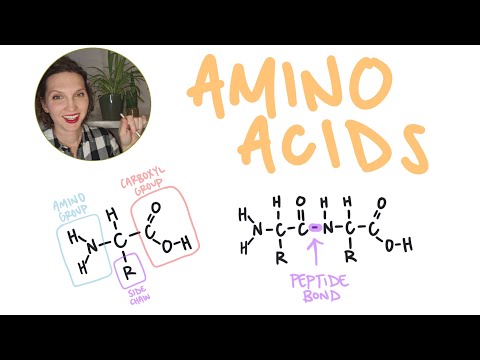
When we talk about peptides, what we’re really looking at is amino acids. These guys are organic compounds made up of a basic structure that includes an amino group, a carboxyl group, and a unique side chain. Depending on the order and type of amino acids linked together, you can form different peptides and proteins. Isn’t it amazing how just 20 naturally occurring amino acids can create limitless combinations?
Now, onto peptide bonds! This is where the magic happens. A peptide bond forms when the amino group of one amino acid connects with the carboxyl group of another. It’s kind of like two friends shaking hands to make a deal! When they bond, they release a water molecule—a process known as dehydration synthesis. So not only do you get a new bond formed between them, but you also lose some water in the process. Double win!
As these bonds link together more and more amino acids, you end up creating longer chains called polypeptides. When these chains fold into specific shapes and structures—thanks to interactions between their side chains—you finally get functional proteins that can do anything from building muscle to fighting infections.
But here’s something that really blows my mind: even small differences in peptide sequences can lead to drastic changes in protein function. For example, hemoglobin—a protein in your red blood cells—has a very specific sequence that allows it to carry oxygen efficiently throughout your body. Just one tiny change in this sequence can lead to sickle cell anemia, which is seriously no joke.
To put it simply:
- Amino acids are the stars of the show.
- Peptide bonds connect them through dehydration synthesis.
- Longer chains form polypeptides, leading to functional proteins.
- A single difference in sequences can really change how proteins work.
I remember learning about peptides back in school; there was this moment when I realized just how intricate life really is! It’s wild thinking about how tiny changes at the molecular level can have such massive impacts on health and biology.
So next time you think about what makes up your body or any living organism for that matter, remember those little peptides doing their job behind the scenes! Without them and their trusty peptide bonds, we’d be missing out on so many biological wonders.
Understanding Peptide Bonds: The Key Building Blocks of Proteins in Biochemistry
Peptide bonds are like the glue that holds proteins together. If you think about proteins as being built from tiny LEGO bricks, then peptide bonds are the connections that link those bricks. But let’s break this down a bit more because it’s super interesting!
So, what exactly is a peptide bond? Well, it forms when two amino acids—those building blocks we just mentioned—come together. Each amino acid has an amine group (which is kind of like a mini nitrogen hub) and a carboxyl group (think of it as the carbon end). When these two groups interact, they engage in a little dance: the carboxyl group from one amino acid merges with the amine group of another, releasing a water molecule in the process. This reaction is called *dehydration synthesis* or *condensation reaction*. Cool, right?
Here are some key things to keep in mind about peptide bonds:
- Formation: Amino acids link up through peptide bonds by losing water.
- Strength: These bonds are pretty strong—strong enough to maintain protein structures during various processes.
- Directionality: Proteins have polarity; there’s an N-terminus (the start) and a C-terminus (the end), which shapes their structure and function.
- Functionality: The sequence of amino acids linked by these bonds determines how proteins fold and what job they do in cells.
Now imagine you’re baking cookies. You mix flour, sugar, eggs, and chocolate chips but if you don’t measure your ingredients right or mix them improperly, your cookies might burn or come out flat! The same goes for peptides; if even one amino acid is off, it can affect how that protein folds and functions.
Proteins have countless roles—from speeding up chemical reactions as enzymes to providing structural support in cells and tissues. Just think of collagen in your skin or hemoglobin in your red blood cells! It all boils down to how those peptide bonds form different combinations of amino acids.
One more thing: these lovely little peptide bonds can be broken down through another process called *hydrolysis*. It’s like adding water back into those cookie ingredients after they’ve baked! When this happens, proteins are broken down into their original amino acids—this can occur in digestion when our body breaks down food for energy.
So there you have it—a peek into the world of peptides and their important bonding role in proteins. It’s astonishing how such tiny connections can create immense biological diversity and functionality. Makes you appreciate what’s happening inside your body every time you eat something nutritious!
You know, when you think about proteins, it’s easy to picture big, complex molecules buzzing around doing important stuff in our bodies. But have you ever stopped to consider the tiny little building blocks that make up these proteins? I mean, there are so many things going on at the microscopic level that we just take for granted.
Peptide bonds are like the unsung heroes of the protein world. They’re these special connections between amino acids (which are basically the star players in protein synthesis). Imagine you’re stringing together a bunch of colorful beads to make a bracelet. Each bead represents an amino acid, and the string is like a peptide bond holding them together. Without those bonds, the whole thing falls apart!
I remember this one time in high school biology class when we did an experiment involving proteins. We used egg whites—yeah, those albumin proteins—and heated them up. It was amazing to see how they transformed from liquid to solid! That moment really clicked for me, showing how these small bonds contribute to such drastic changes in structure.
Now, let’s break it down a bit. A peptide bond forms when two amino acids come together in this cool little reaction called dehydration synthesis. Basically, they’re losing a water molecule as they link up—kind of like two friends hugging each other so tightly that they forget about their drinks! This bond can be broken down by another process called hydrolysis (which just means adding water). This back-and-forth dance is crucial for everything from digestion to muscle building.
So here’s where it gets super interesting: The sequence and arrangement of amino acids determine how a protein folds and functions. If one little bead is out of place or different than expected? It can totally change how that bracelet—or protein—works! This has real consequences for living organisms too; think about genetic disorders caused by tiny changes in genetic coding.
But despite their small size and simplicity, peptide bonds work tirelessly behind the scenes to create all sorts of life forms on Earth—from simple bacteria to complex humans like us. And honestly? That’s pretty mind-blowing when you think about it! Just goes to show you how even the smallest things can have massive impacts on life as we know it.