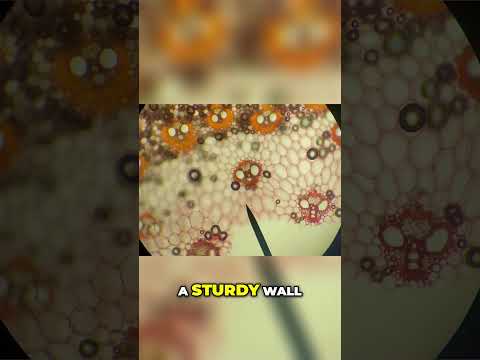
You know, the other day I was staring at my sandwich—like really staring, you know? And it hit me: every single bite is a stack of tiny tissues coming together to create this delicious masterpiece. Kinda wild when you think about it, right?
But here’s the thing: tissues aren’t just what makes your lunch tasty. They’re literally the building blocks of life! Seriously. We’ve got muscle tissue for strength, nerve tissue for communication, and oh boy, don’t even get me started on what makes up our skin.
Life’s like a giant puzzle made up of these little pieces, and understanding them can help us appreciate everything—from how we move to how we heal when we get hurt. So let’s peek behind the curtain and uncover what tissues are really all about. Sound fun?
Exploring the Role of Tissues as Fundamental Building Blocks of Life in Biological Science
Sure! Let’s chat about tissues and why they’re so key in the world of biology.
So, first off, what are tissues? Well, think of them as groups of similar cells that team up to do specific jobs in living organisms. Imagine your body as a bustling city. just like how different neighborhoods have their own roles – residential, commercial, industrial – our bodies have tissues serving unique functions.
Tissues are classified into four main types:
- Epithelial Tissue: This is like the protective skin covering layers of your organs. It’s super important because it helps protect against bacteria and keeps everything inside safe.
- Connective Tissue: As the name suggests, this type binds things together. It includes bones, blood, and fat – yes, fat is a type of connective tissue! It’s basically the glue that holds everything together.
- Muscle Tissue: Here’s where movement comes into play! Muscle tissue helps us move around—whether it’s voluntary movements like walking or involuntary ones like your heart beating.
- Nervous Tissue: This one is all about communication. Nervous tissue makes up your brain and nerves, helping send signals throughout your body to coordinate actions and responses.
Now, you might be wondering why it matters to know these types? Well, understanding tissues helps scientists figure out how our bodies work on a deeper level.
Take a moment to think about when you get hurt. If you scrape your knee playing outside or bump into something—ouch! Your epithelial tissue will start repairing itself almost immediately. Cells in this tissue rush to close the wound so no germs can sneak in. Isn’t it incredible how our bodies know exactly what to do?
Tissues also play a role in health and disease. For instance, certain diseases can arise when tissues malfunction or don’t work properly. Ever heard of cancer? That happens when some cells grow uncontrollably instead of cooperating with their fellow cells as they should.
And let me tell you something cool: scientists study tissues not just in humans but across all living beings—plants too! In plants, there are various types of tissues like xylem (which transports water) and phloem (which transports nutrients). So yeah, we’re all connected through these fundamental building blocks!
At the end of the day, tissues are essential for everything living. They help form organs which make up systems that keep us alive—like respiratory and circulatory systems! The next time you touch your skin or wiggle your fingers, remember: that’s tissue working behind the scenes to keep everything functioning smoothly.
In summary:
– Tissues are groups of similar cells.
– There are four main types: epithelial, connective, muscle, and nervous.
– They play vital roles in protection, movement, binding things together & communication.
– Understanding these building blocks helps us grasp how life operates at a cellular level.
So yeah? Tissues really do hold life together—they’re literally everywhere!
Understanding Tissues in Life Science: An In-Depth Exploration of Structure and Function
Tissues are like the unsung heroes of our bodies, quietly working behind the scenes to keep everything running smoothly. So, what exactly are they? Well, think of tissues as groups of similar cells that come together to perform a specific function. Each type of tissue has its own job, and together they make organs and systems that carry out all the amazing things our bodies do.
There are four main types of tissues in animals: epithelial, connective, muscle, and nervous. Each one has unique characteristics that suit its function:
- Epithelial Tissue: This is like the protective barrier for your body. It covers surfaces and lines cavities. Think of your skin; it’s made of epithelial tissue! Its main job is to protect, absorb, and secrete substances.
- Connective Tissue: If you want to talk about support, this is it! Connective tissue connects different parts of the body. Blood is a type of connective tissue; it transports nutrients and oxygen. Bones provide structure and support.
- Muscle Tissue: This is where movement comes into play. There are three types: skeletal (the muscles you use to move), smooth (found in organs), and cardiac (your heart). They all work together to get you moving or keeping your heart beating!
- Nervous Tissue: Think of this as the communication network. It’s made up of neurons that send signals throughout your body. Whether it’s feeling something hot or making your fingers move, nervous tissue has got it covered!
Now, how do these tissues work together? Picture a concert—each musician plays their part but together they create beautiful music. The same goes for tissues in an organ like the heart. The muscle tissue contracts to pump blood while the nervous tissue controls those contractions.
You know what’s really cool? Tissues are also involved in healing! When you get a cut, epithelial cells rush over to cover it up while connective tissues help repair any damage below the surface.
A little anecdote here: I once had a bad fall when I was younger—scraped my knee pretty badly! I remember watching as it healed over time. At first, there was just rawness where my skin used to be but then those *epithelial* cells got busy rebuilding my skin layer by layer until I barely saw a scar.
In plants, things are different but still fascinating! They have their own set of tissues called dermal (like bark), vascular (for transporting water), and ground tissue (which does everything else). These plant tissues also collaborate to keep the plant alive.
So basically, if we didn’t have these different types of tissues doing their thing, our bodies wouldn’t function properly at all. Life would be chaotic!
Next time you marvel at how awesome your body—or even a plant—is functioning around you, remember all those tiny cells working together as **tissues** making magic happen!
Exploring Histology: The Branch of Biology Focused on Tissue Study
Exploring histology feels like jumping into a microscopic world where tissues tell their own stories. Basically, histology is the study of tissues, but it’s way more than just that. It’s about understanding how these cells work together to form the structures that make up the living organisms around us. Nervous system, muscles, skin—you name it!
So, what’s a tissue? Well, think of it as a group of similar cells working together to perform a specific function. There are four main types of tissues in your body:
- Epithelial Tissue: This is like your protective shield. It covers surfaces and lines cavities. Ever thought about your skin or the lining of your stomach? Yep, those are epithelial tissues!
- Connective Tissue: As the name suggests, this type supports and binds other tissues. Blood, bone, and fat are all part of this family.
- Muscle Tissue: This one’s all about movement! Whether it’s the heart pumping blood or your biceps flexing when you lift something heavy.
- Nervous Tissue: This is where things get really interesting! It’s responsible for transmitting impulses throughout your body—like a super-fast messaging system.
Histologists use special techniques to slice thin sections of tissue so they can look at them under a microscope. And trust me, it’s quite amazing what you can find! For example, when you look at muscle tissue under a microscope, you’ll see long fibers that help it contract and relax.
One time in class, my professor showed us a slide with nerve tissue. We could actually see the neurons—the tiny building blocks responsible for transmitting signals in our body—connected like little stars in a galaxy! That was such an “Aha!” moment for me.
Now let’s talk about why histology is key in medicine and science overall. Understanding how different tissues work helps doctors diagnose diseases effectively. When someone has cancer, for instance, pathologists can analyze tissue samples to see if cancer cells are present and what type they might be.
But wait—there’s more! Histology isn’t just confined to human bodies; it’s used across various species too! Scientists examine plant tissues to learn how they grow or respond to environments. Just dive into plant histology sometime; you’ll see crazy cellular structures that allow plants to photosynthesize!
By studying histology through advanced microscopy techniques and staining methods (which help highlight different cell types), researchers can unlock secrets about health and disease.
So there you go—a peek into the world of histology! It may sound simple at first glance but dig deeper (literally!), and you’ll find yourself enchanted by how these tiny tissues contribute massively to life as we know it. Isn’t science just mind-blowing?
You know, when you think about it, tissues are like the unsung heroes of our body. Seriously, they’re everywhere, quietly doing their job. I remember the first time I really got into learning about them in school. It was during a biology class where we used this microscope to look at slides of different tissues. Seeing those tiny structures up close was like discovering a secret world right under our noses.
So, what even are tissues? Well, it’s all about groups of cells that have come together to perform a specific function. Imagine having a team of superheroes—each one with its own powers—but they all work together for the greater good. That’s pretty much how tissues operate! There are four main types: epithelial, connective, muscle, and nervous tissue. Each one has its own style and purpose.
Epithelial tissue is like the protective shield of your body. It covers surfaces and forms linings in organs. It’s kind of amazing when you realize that these sheets of cells help keep everything else safe and sound! Then you have connective tissue supporting and connecting other tissues—think tendons and blood running through your veins as this vital lifeline.
Muscle tissue? Oh man! That’s what gives us the ability to move around, dance at parties (or just get out of bed), while nervous tissue makes sure signals zoom through our bodies like messaging apps bringing us awareness about pain or pleasure. It’s wild how these groups come together to create our whole experience of being alive.
The emotional side hits home when I think about how all these tissues work cohesively—our bodies are literally built on teamwork! When someone struggles with an illness that affects their tissues, it doesn’t just impact them physically; it resonates emotionally too.
Like when my uncle got diagnosed with a chronic condition affecting his connective tissues. Watching him adapt was tough but inspiring at the same time. His fight reminded me that behind every scientific fact, there’s a human story—a connection that makes science so personal.
Anyway, next time you marvel at something as simple as moving your fingers or feeling warmth from the sun on your skin, remember those tiny tissues working hard in the background! Life science is fascinating because it reminds us how intricately woven we are—not just at the cellular level but also in terms of experiences shared between us humans.