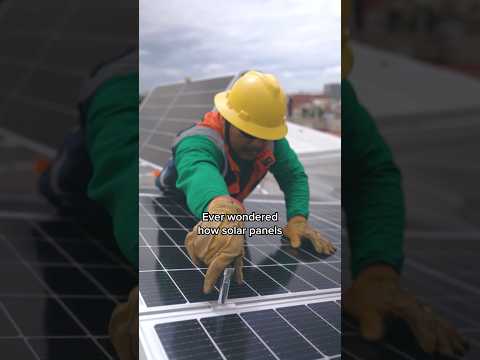
So, the other day, I was sitting outside, soaking up the sun. Seriously, I felt like a lizard just basking in the warmth. And then it hit me—how cool would it be if my whole house could soak up energy like that?
That’s where solar power comes in, my friend. You know those shiny panels you see on rooftops? They’re not just for show; they’re like little energy factories making electricity from sunlight! Crazy, right?
I mean, harnessing sunlight to power our lives is kind of magical. It’s this amazing mix of science and simple elegance. Just think about it: we’ve got this massive ball of fire in the sky giving us energy all day long.
Let’s break it down and see how this works because it’s not rocket science… well, okay, maybe a little bit! But really, it’s more about understanding how we can catch those sun rays and whip them into usable power. Buckle up!
Harnessing Solar Power: Understanding the Creation and Utilization of Electricity from PV Technology in Science
So, solar power! It’s that amazing energy source we get straight from the sun. Picture this: every hour, the sun sends enough energy to our planet to power the entire world for a year. Mind-blowing, right? Now, let’s break down how we actually turn that sunlight into electricity using something called photovoltaic (PV) technology.
What is PV Technology?
At its core, PV technology is about converting sunlight directly into electricity. This happens in solar panels made up of many small units called solar cells. These cells usually use materials like silicon because they’re really good at absorbing light.
How Do Solar Cells Work?
When sunlight hits these solar cells, it knocks electrons loose from their atoms. Seriously, it’s like a tiny dance party happening on a microscopic level! These free electrons then move through the cell and create an electric current. You can think of it as a game of tag where the sunlight tags the electrons and sets them off on their journey.
The Components of a Solar Power System
Solar panels are just one part of the puzzle. Here’s what else you need:
- Inverters: They convert the direct current (DC) electricity produced by the solar panels into alternating current (AC), which is what most homes use.
- Batteries: Some systems come with batteries that store excess energy for later use—like at night or during cloudy days.
- Mounting Systems: They hold your solar panels in place on rooftops or ground mounts.
The Benefits of Solar Power
Using solar energy has some serious perks:
- Renewable Energy Source: The sun isn’t going anywhere anytime soon, so we can always depend on it!
- Lowers Electricity Bills: Once you set up your system, you can cut down on those monthly bills—and sometimes even make money by selling back extra power.
- Environmental Impact: Solar power reduces greenhouse gas emissions and pollution compared to fossil fuels.
I remember helping my neighbor install their first solar panel system one summer. It was sweltering outside, but when we set everything up, they were all smiles thinking about how much they would save and how much cleaner their energy would be for our little town.
The Future of PV Technology
There’s exciting stuff on the horizon! Researchers are always working to make solar cells more efficient and cheaper. Think about things like “perovskite” solar cells—they’re lighter and could be way less expensive than traditional silicon ones!
Basically, harnessing solar power through PV technology is not just a cool science trick; it’s also a crucial way for us to move towards a sustainable future. More access to clean energy means healthier air, lower bills for families, and less dependence on finite resources. So next time you catch some rays at the beach or park, remember: that sunshine could light up your house!
Exploring the Scientific Reasons Behind Opposition to Solar Farms
Opposition to solar farms isn’t just a random thing. There are some solid scientific and socio-economic reasons behind it. Let’s break it down, shall we?
Land Use Concerns
One major argument against solar farms is the amount of land they require. You see, large-scale solar installations need vast expanses of open land, and often that land is taken from agricultural use or natural habitats. People worry about losing productive farmland or messing up local ecosystems. Imagine a beautiful field filled with crops turning into rows of shiny solar panels—it can be hard to swallow for farmers and nature lovers alike.
Impact on Wildlife
Another concern is how these farms affect wildlife. When you put a giant solar farm where animals used to roam, it can disrupt their habitats. Some birds might fly into the panels, thinking they’re just more sky! So yeah, not every animal is stoked about sharing their turf with a bunch of shiny panels.
Aesthetic and Cultural Impact
Then there’s the visual side of things. For many folks, solar farms aren’t exactly what you’d call picturesque. They can change the look of an area dramatically—think sprawling fields transformed into industrial-looking spaces. For communities that treasure their landscapes or have cultural ties to certain lands, this can feel like losing part of their identity.
Economic Factors
Economics also plays a role in the pushback against solar farms. Some people argue that the money spent on these projects could be better invested elsewhere—like in improving existing infrastructure or other renewable sources like wind or hydro power that might be less controversial in terms of land use.
The Solar Panel Production Problem
Let’s not forget the production side either! The creation of solar panels involves mining materials like silicon and rare earth elements which isn’t as eco-friendly as one might think. The mining process can lead to pollution and other environmental issues that some folks find troubling.
Grid Strain and Energy Storage Issues
Finally, there’s always the conversation about energy storage and grid stability when it comes to renewable sources like solar power. Solar energy generation fluctuates throughout the day and creating effective battery systems for storage has been a tough nut to crack so far! Critics point out that reliance on solar alone without proper infrastructure might lead to problems in keeping energy supplies stable.
So yeah, while harnessing solar power has its obvious benefits—like reducing carbon emissions—the opposition comes from these real worries people have about environmental impact, economics, and community identity. It’s all about finding a balance between advancing technology and respecting our planet—and each other too!
Understanding High Electric Bills Despite Solar Panel Installation: A Scientific Analysis
So, you’ve gone solar, huh? That’s pretty cool! But then you open your bill and think, “Wait, what’s going on here?” High electric bills after installing solar panels can be confusing. Let’s break this down a bit.
First off, solar panels don’t magically eliminate your electricity bill. They help reduce it. The energy produced by solar panels feeds into your home, but if you’re using more power than they generate, you might still see a bill. Think about it like this: if you have a water tank in your backyard filling up while someone’s inside taking long showers, the tank will be empty eventually if the showers are too frequent.
Then there’s **energy consumption**. If you’ve added new appliances or started running the air conditioner more often, those extra kilowatts add up. Let’s say you installed that fancy new TV and suddenly found yourself binge-watching at all hours. Your solar system may not cover all those extra watts.
Another factor is **the size of your solar system**. If your panels aren’t adequately sized for your energy needs—like trying to fit into a pair of shoes that are way too small—you’ll still use grid electricity to make up the difference. Solar systems should ideally be matched to your average consumption.
Now let’s talk about **energy storage** (if you have batteries). Batteries can store excess energy for later use, but they also need to be charged properly. If they’re not well-maintained or sized right for your household energy needs, they might not supply enough power when it’s needed most.
Also worth mentioning is **net metering**. If your state has this system in place, when solar panels produce more energy than you use during daylight hours, that excess can go back into the grid and provide credits on your future bills. But if net metering isn’t available or not beneficial in your area, then that credit system won’t help much with those pesky bills.
Let me throw in a little emotional anecdote here: one friend of mine got super excited about his new solar setup and envisioned an endless summer without bills piling up—until he realized he was running two air conditioners during peak sun hours without adjusting his habits! Oops!
Lastly, always consider **system inefficiencies**. Solar panels degrade over time; they’re not as effective after several years as when they were brand-new. Dust or debris on their surface can also block sunlight—think of it like trying to read with dirty glasses! Keeping them clean can optimize their performance!
In short:
- Solar doesn’t eliminate bills, just reduces them.
- Your energy consumption matters; new appliances add usage.
- The size of your solar system impacts how much energy is generated.
- Batteries need maintenance for efficiency.
- Net metering’s availability affects how much credit you get.
- Inefficiencies from aging systems or dirt can drop performance.
So next time that bill arrives and makes you raise an eyebrow—take a good look at these factors before anything else! Remember: going green takes some getting used to but understanding these elements can really help clear things up!
So, solar power, huh? It’s like the universe’s little gift to us, just sitting there shining away, waiting for us to take advantage of it. I remember this summer day when I was chilling outside with a friend. We were in the backyard, soaking up the sun, and she brought up how her family had put solar panels on their roof. At first, I thought it was just some trendy move. But then she started explaining how it worked, and honestly? It blew my mind.
Alright, so here’s the deal: solar panels use something called photovoltaic (PV) cells to transform sunshine into electricity. That’s a fancy way of saying that they capture sunlight and convert it into energy you can use in your home. How does that work? Well, when sunlight hits these panels made of special materials like silicon, it creates an electric current. Think of it like a game of tag—light particles called photons are “tagging” atoms in the silicon which then bounce around to create electricity.
It’s pretty cool because this process doesn’t produce any greenhouse gases while generating power. You know how we’re all worried about climate change and whatnot? Solar energy helps reduce our carbon footprint and that’s a big bonus for Mother Earth.
But here’s where things get a bit more interesting: while using solar energy seems straightforward, getting those photovoltaic cells to work efficiently is quite tricky. Engineers have been improving these systems over the years—making them cheaper and more effective at catching those rays.
I think another aspect that hit me during my chat with my friend was the growing accessibility of this technology. Just a decade ago, solar panels were super expensive—like “I-have-to-sell-a-kidney” expensive! But now? Prices have dropped dramatically! More people are considering going solar than ever before; it’s kind of heartwarming to see communities banding together for cleaner energy choices.
But there’s still challenges ahead! Energy storage is one biggie because we can only generate power when the sun is shining bright. So figuring out efficient batteries or other solutions is essential for truly harnessing all that glorious sunlight we get.
It feels like every day there’s something new happening in renewable energy tech—and I’m totally here for it! Embracing solar power isn’t just about saving money on your electric bill; it’s also about creating a sustainable future for generations down the line.
In short? It’s exciting stuff! Harnessing solar energy feels like tapping into nature’s free resources while doing our part for the planet—what’s not to love about that?