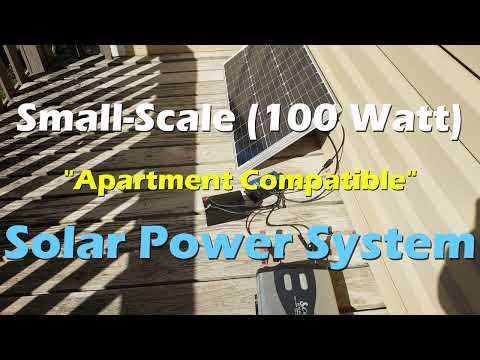
You know what’s wild? The sun is like this enormous power plant up in the sky, just hanging out. Seriously! Every hour, it blasts enough energy to cover our planet’s needs for a whole year. Crazy, right?
So, imagine harnessing that power with something as simple as a small solar panel. It’s like turning sunlight into your personal electricity factory!
Let me tell you, I once tried to power my phone using a tiny solar charger while camping. I was all set to connect with the world—until some clouds rolled in. But that’s when I realized how cool this whole solar energy thing really is.
Once I figured it out, it felt like magic! That sunny day turned into a mini science experiment—a glimpse into how we can tap into something so massive and powerful.
So let’s chat about how these small power systems work and why they might just be the next big thing for all of us looking to go green—or at least cut down on our electricity bills!
Optimizing Solar Power Requirements for Sustainable Tiny House Living: A Scientific Approach
So, you’re thinking about going tiny and harnessing solar power, huh? That’s pretty cool. Living in a smaller space is not just an eco-friendly choice; it also gives you a chance to integrate sustainable energy solutions like solar systems more efficiently. Let’s break it down into bite-sized pieces.
Understanding Energy Needs
First up, you gotta figure out how much energy you actually need. It’s like packing for a trip—you don’t want to take too much or too little, right? In a tiny house, you’re usually looking at around 300 to 800 watts of daily solar power usage for basic needs. This includes lighting, powering small appliances, and maybe charging your devices. You can actually calculate your energy needs by adding up the wattage of all the things you plan to use.
Choosing the Right Solar Panels
When it comes to solar panels, size matters! But not in the way you might think. A typical solar panel generates about 250-350 watts each. For tiny houses, installing two to four panels usually does the trick. It’s super important that you look for panels that have high efficiency ratings because they’ll generate more electricity even when there isn’t much sunlight.
Batteries are Your Best Buddies
Now let’s chat about batteries—the storage unit for your solar energy! Without a solid battery system, all that sweet sunshine goes to waste when the sun sets or on cloudy days. Lithium-ion batteries are often recommended because they’re efficient and last longer than lead-acid ones. Depending on your usage and panel setup, you might need anywhere from 200Ah to 400Ah capacity to keep everything running smoothly.
Inverter Selection
Don’t forget an inverter! This piece of gear converts DC (what your solar panels generate) into AC (what most appliances use). Choosing the right size is key; too small and it’ll struggle under load, too big and you’re wasting money. A pure sine wave inverter is ideal as it provides clean electricity suitable for sensitive devices like laptops or microwaves.
Placement Matters!
And here’s something else—where you place those panels can make a huge difference in efficiency. Ideally, they should face south if you’re in the Northern Hemisphere (or north if you’re down south) at an angle optimized for your location’s latitude—this helps catch as many rays as possible!
Monitoring Usage
Another cool trick? Keep an eye on your energy consumption with monitoring systems that can tell you how much power is being used at any given time. Knowing what’s using up juice will help you make adjustments when needed—like turning off that extra light or unplugging devices when they’re not in use.
Living Practices Count Too!
Also, think about how you can minimize usage through lifestyle changes! Swapping out traditional bulbs for LEDs saves tons of energy. Using appliances wisely (like running dishwashers during peak sunlight hours) makes a big impact too!
Feeling overwhelmed? Don’t be! You don’t have to master everything overnight; just take one step at a time toward optimizing your tiny house with solar power! Embracing this lifestyle not only helps reduce your carbon footprint but can also lead to simpler living—more time outdoors and less stress over bills.
So there ya go—a little deep dive but hey, it’s all about enjoying the journey while making smart choices along the way!
Understanding the 20% Rule for Solar Panels: Insights from Solar Science and Energy Efficiency
So, let’s chat about the **20% Rule for solar panels**. You might have heard people say that solar panels only convert about 20% of sunlight into electricity. Well, that’s pretty much true, but there’s a bit more to it than just a simple number.
First off, when we talk about these efficiency ratings, we’re really looking at how effective solar technology is at transforming sunlight into usable energy. Most modern panels out there today work at this efficiency level—like, around 15% to 22%. But why is there a cap?
Well, part of the reason has to do with **physics** and the design of solar cells. The materials used in these cells can only absorb certain wavelengths of light. So even though there’s tons of sunlight hitting your roof on a sunny day, not all of it gets converted into electricity.
Now, here’s where things get interesting! You know how sometimes you can improve your personal performance by just tweaking little things here and there? The same goes for solar panels! They can be optimized through better materials and innovative technologies. This includes things like bifacial panels that can capture light from both sides or using concentrators which focus sunlight onto the cells.
Now let’s break down some key points about this rule:
- Light Absorption: Only certain wavelengths are absorbed effectively.
- Material Limits: Traditional silicon-based cells have their restrictions.
- Technological Advancements: New experimental materials like perovskite could exceed 20% efficiency!
Picture this: When I first learned about solar energy in school, I was completely amazed at the sheer power of the sun—it’s like an endless battery up there! It got me thinking about how we could harness that power more effectively.
But here’s another thought: even if panels max out around 20%, they’re still super useful. Energy efficiency isn’t just about the percentage; it’s also about how well you use what you generate. So if your home is optimized for energy use—think LED lights and smart thermostats—you’ll feel the benefits way more than if you’re just relying on those numbers alone.
And don’t forget maintenance! Keeping your panels clean ensures they perform at their best. Dust and grime can really cut down on efficiency because they block sunlight from reaching those precious cells.
So basically, while the **20% Rule** gives us a solid baseline for what most solar panels can achieve right now, remember that science doesn’t stay still! With ongoing research and development in this field, we might see breakthroughs that push past those current limits. Who knows? One day we might tap into that fiery ball of gas in ways we haven’t even imagined yet!
In short, understanding this rule helps us grasp both the potential and limitations of solar tech today—and it keeps us hopeful for what’s coming next!
Exploring the Three Key Methods of Harnessing Solar Energy in Scientific Research
Solar energy is, like, really fascinating. It’s not just about giant solar farms or those panels on rooftops. There are actually a few clever methods that scientists use to harness the sun’s rays, especially for smaller power systems. Let’s take a look at three key approaches: photovoltaic systems, solar thermal energy, and concentrated solar power.
Photovoltaic Systems
First up is the well-known photovoltaic (PV) systems. You probably know them as the shiny solar panels you see on roofs or in large fields. These work by converting sunlight directly into electricity using something called semiconductors. When sunlight hits these materials, it excites electrons and creates an electrical current—pretty cool, right? This method is super popular for small-scale applications like powering a home or small devices because it’s relatively simple to install and maintain.
Solar Thermal Energy
Next is solar thermal energy, which works a bit differently. Instead of converting sunlight to electricity directly, it captures heat from the sun. This heat can then be used to warm water for showers in your home or even generate steam that turns turbines to produce electricity! It’s often used in places with lots of sunshine where heating water directly can save money on energy bills. Like when I visited my friend’s house in California; they had this neat system that kept their pool nice and warm all year long!
Concentrated Solar Power (CSP)
The last method I wanna tell you about is Concentrated Solar Power (CSP). These systems use mirrors or lenses to focus sunlight onto a small area—basically cranking the heat up super high! The intense heat is usually used to create steam that drives turbines connected to generators. Although this technology tends to be more suited for large-scale operations due to its complexity and space requirements, it shows great promise for efficiently harnessing solar power.
So there you have it! Three different ways scientists are harnessing the power of the sun:
- Photovoltaic Systems
- Solar Thermal Energy
- Concentrated Solar Power
Each method has its own unique advantages and applications depending on what you need—whether it’s generating electricity or heating up some water for your morning shower. It’s pretty inspiring how we’re finding innovative ways to tap into such a plentiful resource!
You know, there’s something kind of magical about the sun. I mean, every day it rises and gives us light and warmth. But there’s more to it than just sunny days at the beach, right? People are getting super creative with solar energy these days, especially when it comes to small power systems.
So picture this: you’re out in a remote cabin or maybe camping somewhere in the mountains. You’ve got that gorgeous view, fresh air, maybe even a cozy fire—perfect! But then you think about power. How do you keep your devices charged or run some lights? This is where small solar systems come into play. They’re like mini superheroes for off-grid living!
These systems can be as simple as a few solar panels hooked up to a battery. You put them up during the day, and they soak up sunlight like a sponge soaking up water. Then, at night or during cloudy days, you can draw on that stored energy. Seriously efficient stuff! It’s not just for fancy tech enthusiasts either; it makes life way easier for anyone who wants a bit of freedom from traditional power grids.
There was this time I went on this road trip with friends across several states. We were trying to find places with no phone service and just get lost in nature for a bit—talk about refreshing! Someone brought along a tiny solar charger for our phones and other gadgets. At first, we were all kinda skeptical about this thing being useful but wow—it worked! We could keep snapping photos of sunsets without worrying about running out of battery. It was like having little bits of civilization with us while still enjoying the great outdoors.
But here’s the kicker: while these small power systems can be really handy for individual use, they also hold promise for larger communities without easy access to electricity. Imagine entire neighborhoods powered by mini solar setups! People could stay connected and thrive without relying on distant energy sources.
Sure, there are challenges ahead—like efficiency rates or manufacturing costs—but seriously, just thinking about how far we’ve come is pretty cool. Harnessing solar energy with small systems? That’s not just smart; it’s like inviting the sun to make life easier and more sustainable.
Like I said before: who knew sunshine could be such a game changer? I guess it’s all about finding practical ways to let nature help us out while we take care of our planet at the same time!