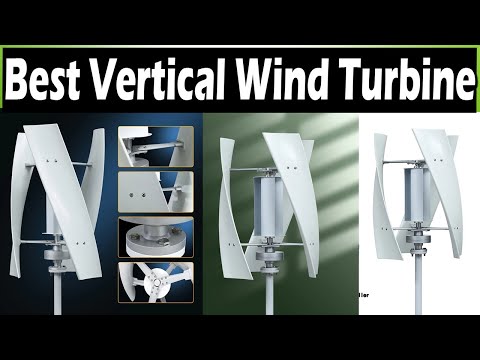
You ever get that feeling when the wind’s just right? Like, you’re outside, and it’s this perfect breeze? Well, what if I told you that same wind can actually power your home? Crazy, right?
Picture this: you’re sipping your coffee and looking at this sleek wind turbine, quietly spinning away in your backyard. It’s not just a cool lawn ornament—it’s cranking out energy!
So, let’s chat about this whole wind energy thing. Specifically, there’s this nifty 10kW turbine innovation that’s shaking things up. Seriously, it’s like the superhero of renewable energy.
Wind’s been around forever. But now we’re getting smarter about capturing it. You follow me? This isn’t just some tree-hugging fantasy; it’s practical and super exciting!
We’ll dig into how these turbines work and why they might just be the future of clean energy. You ready for this breeze of knowledge? Let’s roll!
Energy Output Analysis: Understanding the Production Capacity of a 10 kW Wind Turbine
So, let’s get into the nitty-gritty of a 10 kW wind turbine and what it means when we talk about its energy output. Basically, this is about how much energy that turbine can generate in real-world conditions.
Wind turbines work by converting the kinetic energy from the wind into electrical energy. A 10 kW turbine is designed to produce around 10 kilowatts of power under ideal wind conditions. But hold on a second—let’s break this down further.
First off, it’s key to understand that the actual energy output isn’t just about the turbine’s rated capacity. Factors like wind speed, air density, and even the height of the turbine make a big difference.
- Wind Speed: Turbines need a minimum speed to start generating power—this is known as the cut-in speed. For many 10 kW turbines, this is usually around 3-4 meters per second (m/s). The maximum output happens at higher speeds, often between 12-15 m/s.
- Capacity Factor: This term basically tells you how much of the time a turbine is actually producing power compared to its maximum potential. Most small turbines can have a capacity factor anywhere from 20% to 50%, depending on their location’s wind profile.
- Air Density: The amount of air in any given volume matters too! More dense air generates more power because it has more mass moving at any given speed. Higher altitudes usually mean less dense air but can also provide better wind conditions.
Now, let’s imagine you’ve got your shiny new 10 kW turbine installed in a place with consistent winds averaging around 7 m/s—pretty ideal, right? You could expect that over a year, it might generate something like 30,000 to 40,000 kWh. That’s enough to power several homes!
But here’s where it gets slightly trickier: not every year will be the same. Weather patterns change over time and even day-to-day variations can affect your output significantly.
Another thing: if you were ever out at sea or lived near it, you’d notice that water bodies can influence wind patterns quite a bit. You’d probably get stronger and steadier winds there than inland.
When thinking about sustainability, remember that while these turbines are fantastic for capturing energy without emissions during their operation phase, you also have to consider their lifespan (usually around 20-25 years) and maintenance costs.
In summary, understanding how much energy a 10 kW wind turbine can produce isn’t just about throwing numbers around; it’s like piecing together various factors—wind speed being one of them—that all play into how effectively you’re harnessing that sweet gusty goodness! And honestly? It’s super exciting to think about how innovations in technology continue pushing us towards cleaner energy options!
Exploring Cutting-Edge Innovations in Wind Energy: Advances Shaping the Future of Renewable Science
Wind energy is one of those things that feels like it’s really catching on lately, and it’s easy to see why! You know, wind is all around us, just waiting to be harnessed. Anyway, let’s break down some cool innovations in wind energy and how they’re shaping our renewable future.
One of the most exciting developments is the **10kW turbine innovation**. This isn’t just your average wind turbine; it’s designed for efficiency and effectiveness. Here’s what makes it stand out:
- Compact Design: These turbines are smaller and more efficient than older models. They can be installed in residential areas or on farms without taking up too much space.
- Higher Energy Output: With a 10kW capacity, these turbines can generate enough power for a typical home, creating clean energy without the fuss.
- Smart Technology: Many of these turbines come with smart features that optimize performance based on real-time wind conditions. Imagine them adjusting their blades automatically to catch the best gusts!
Think about this: I once visited a small town where they’d installed some of these cutting-edge turbines. The locals were so stoked about how much their electricity bills dropped! It was inspiring to see how something like wind could transform lives in such tangible ways.
Now let’s get into a bit of the **science** behind how wind energy works. Basically, when the wind blows, it pushes against the blades of a turbine. This movement spins a generator inside, converting kinetic energy from the wind into electrical energy. It’s like turning motion into power—how cool is that?
Another aspect worth mentioning is **offshore wind farms**. These giants are placed in large bodies of water where winds are consistently stronger and steadier than on land. So yeah, they produce a lot more energy! For instance, places like Denmark have embraced offshore farms extensively and are seeing massive returns on their investments.
And don’t forget about storage! As awesome as generating power from wind is, we also need ways to hold onto that energy for when we actually need it—like in those calm evenings when there’s no breeze at all. This has led to creative solutions involving batteries or even using excess power to create hydrogen fuel.
As we move forward with innovations in wind technology—like those nifty 10kW turbines—we get closer to reducing our carbon footprint while keeping our lights on! It’s amazing when you think about how far we’ve come and where we’re headed.
So yeah, if you’re curious about clean energy solutions that help protect our planet while powering homes and businesses alike, keep an eye on what’s happening in the world of wind energy! You might just find yourself inspired by what this bright future can offer us all.
Evaluating the Feasibility of a 10KW Wind Turbine for Residential Energy Needs
Evaluating whether a 10kW wind turbine can meet your home’s energy needs is like figuring out if you can fit a big pizza into your fridge. Sure, it might work, but there are some things to think about first.
To start off, energy needs vary from one household to another. The average American home uses about 877 kWh per month. So, if you break that down, that’s roughly 29 kWh per day. A 10kW wind turbine can produce between about 5-15 MWh a year depending on local wind conditions. If we assume ideal conditions and good wind speeds—say around 12 mph—you could potentially generate enough energy for that average household.
But here’s where it gets tricky. Not every day is windy! You need to consider your local climate first. Places like the Midwest are usually more favorable for wind energy because of their consistent winds compared to others with less predictable weather.
Also, don’t forget about space and zoning regulations. A residential turbine typically needs a clear area around it to function well and not interfere with nearby structures. And let’s be real; sometimes neighbors might raise an eyebrow or two about a turbine in your backyard.
Then there’s the whole installation process which isn’t always as simple as pie. You really have to think about costs. The initial investment for a 10kW turbine can be hefty—usually between $40,000 and $70,000 when you crunch in equipment and installation costs. But on the plus side, you might save on electricity bills over time or even get tax incentives depending on where you live.
And yeah, maintenance is key here too! Wind turbines require regular checks and possible repairs after storms or just through general wear and tear over time. It’s not super high-maintenance but it’s definitely something to keep in mind.
On the flip side though, if you’re passionate about sustainability and reducing your carbon footprint, this could be an amazing step towards being more eco-friendly! You’d essentially be generating power straight from nature without emitting greenhouse gases into the air—which is pretty cool when you think about it!
So basically, while a 10kW wind turbine could feasibly power an average home under the right conditions—and it’d definitely come with some upfront costs—you also need to evaluate factors like space availability, local regulations, wind consistency, maintenance needs, and how much energy you’re consuming at home daily.
In short:
- Energy Needs: Average home uses ~29 kWh/day; check your consumption.
- Wind Conditions: Assess local climate for consistent winds.
- Zoning Regulations: Ensure enough space and check neighborhood guidelines.
- Costs: Initial investment can range wildly; save over time?
- Maintenance: Regular checks required; factor in potential repairs.
- Sustainability Factor: Great for reducing carbon footprint!
So think it through! If it feels right for you financially and practically—and you’re ready for that adventure—who knows? You might just find yourself buzzing along with free energy from that breezy helper above!
Okay, let’s chat about wind energy for a sec. I mean, we’ve all seen those big wind turbines spinning on the horizon. They look kind of majestic, don’t you think? Growing up, I remember driving along the coast and seeing them dotting the landscape, and I always thought they looked like giant pinwheels. It felt magical, almost like the future was here!
So, talking about harnessing wind energy, there’s this cool thing happening with 10kW turbines. Now, this might sound techy, but bear with me. A 10kW turbine is capable of producing enough power to supply a small home or even a couple of homes—pretty neat for those looking to go eco-friendly without needing a massive contraption taking over their backyard.
What’s wild is that these smaller turbines can be just as efficient as those enormous ones that you see in industrial parks. The smaller size not only makes them easier to install but also opens the door for folks in residential areas to tap into clean energy. Imagine being able to power your own home with just wind—like having your own little slice of nature do the heavy lifting!
But here’s where it gets real interesting: installing one of these bad boys can actually make you feel more connected to nature and your surroundings. Picture this: a breezy day, you’re sipping coffee on your porch while your turbine spins away in the background generating pure energy. It’s kind of cute how a simple device can change your whole vibe.
Of course, there are challenges too. Not every place has reliable winds all year round, so it’d be crucial to scout out spots before diving in headfirst. Plus, you’ve got to think about maintenance and installation costs; that can throw people off sometimes.
Still, there’s something inspiring about finding innovative ways to use what nature gives us—like turning wind into power we can actually use! There’s this joy from knowing that each turn of the blades could help reduce our reliance on fossil fuels.
So yeah, whether you’re totally into renewable energy or just curious about it all—it really makes you think about how much potential lies within our natural world just waiting for us to harness it!