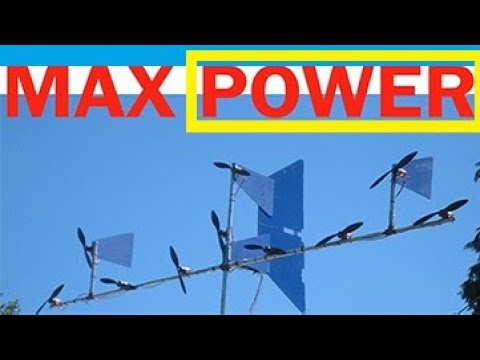
You know what’s funny? I once tried to fly a kite on a barely breezy day. Yeah, it was like trying to catch a ride on a turtle’s back! It just didn’t work.
But wind turbines? They’re like the kite’s cool cousin who knows how to surf those strong gusts. Seriously, these big, spinning giants are rocking the renewable energy scene and making waves for a sustainable future.
So, why should we care about how much energy they can crank out? Well, it turns out that maximizing their output isn’t just about turning wind into power; it’s about making sure we’ve got a cleaner planet for the future. That’s pretty important, right?
Let’s chat about what makes these turbines tick and how we can harness their full potential. No kite mishaps here—just some solid info on spinning dreams into reality!
Advancing Sustainability in Wind Turbine Technology: Innovative Strategies for a Greener Future
Wind turbines have become a pretty big deal in the renewable energy scene. They’re like the superheroes of clean energy, harnessing the wind to generate electricity without polluting our planet. But there’s always room for improvement, right? So, let’s chat about how we can advance sustainability in wind turbine technology and maximize their energy output.
First off, location is everything. You know how some places just seem to catch all the breeze? Picking the right spots for wind farms is crucial. Areas with consistent wind patterns ensure that turbines can do their job effectively. For example, coastal regions or open plains usually get more wind than urban settings. By strategically placing turbines where they can catch maximum wind flow, we enhance their energy output.
Then there’s the size of the turbines. Bigger blades mean more surface area to capture wind. With technological advancements, we’ve seen manufacturers create larger and more efficient blades that can generate more electricity even at low wind speeds. Imagine going from a tiny fan to a massive windmill! This increase in size isn’t just about height but also about shape and design. Aerodynamic shapes help minimize drag and maximize energy capture.
On top of that, materials matter. Traditional materials used in turbine construction can sometimes be heavy and less efficient. Enter new lightweight composites! These innovative materials not only reduce weight but also improve durability against harsh weather conditions. Using materials such as carbon fiber or advanced polymers can lead to longer-lasting turbines that crank out more power over time.
Another key point is smart technology. We’re living in an era where everything is getting “smart”—and wind turbines are no different! Using sensors and data analytics helps optimize performance by monitoring conditions in real-time. Think of it this way: if a turbine knows when the wind will pick up or slow down, it can adjust its position or angle automatically to catch more air. This tech isn’t just cool; it’s essential for maximizing output!
Also worth mentioning is energy storage solutions, which play a huge role too. Wind doesn’t blow all the time (wouldn’t that be sweet?). So implementing systems like batteries helps store excess energy produced during windy days for use when it’s calm outside. This kind of storage makes sure we’re using every bit of energy generated rather than wasting it.
Lastly, let’s not forget about community involvement. Engaging local communities when planning new wind farms ensures everyone benefits from these projects—like job creation during construction and maintenance phases, plus clean energy for homes nearby! When people feel included in these initiatives, they become stronger advocates for sustainable practices.
In summary, advancing sustainability in wind turbine technology involves making smart decisions on location, embracing innovative designs and materials, leveraging smart technologies, integrating reliable storage options, and ensuring community support stands strong behind these efforts. All these strategies combined work together towards one goal: producing clean energy while caring for our planet! Isn’t it exciting to think about how far we’ve come—and how much further we could go?
Maximizing Energy Conversion Efficiency in Wind Turbines: Innovative Strategies and Scientific Insights
Wind turbines are fascinating machines, aren’t they? They transform the energy from moving air into electricity—basically turning breezy days into power for our homes. But not all wind turbines are created equal, and that’s where the whole “energy conversion efficiency” thing comes into play. You want them to be as effective as possible, right? It’s all about maximizing that energy output!
So, what does it mean to maximize energy conversion efficiency? Well, it’s about getting the most electricity out of the wind that hits those blades. Several innovative strategies have come up over the years to enhance this process. Here are a few ways scientists and engineers are tackling this challenge:
- Blade Design: The shape of turbine blades can impact efficiency significantly. Long and slender blades can capture more wind energy effectively. Plus, adding twist or varying the aspect ratio helps improve lift while minimizing drag.
- Turbine Placement: Believe it or not, where you park these big guys matters! Placing turbines in areas with consistent and strong winds—or optimizing spacing between them—can help reduce turbulence and increase overall output.
- Variable Pitch Control: Some modern turbines can change the pitch of their blades in response to wind speeds. This means they can optimize performance by adjusting how much wind they catch based on conditions.
- Advanced Materials: Using lighter yet stronger materials helps create larger blades that can withstand harsh conditions without being too heavy. Think carbon fiber—it’s not just for fancy bikes!
- Smart Technology: Integrating AI and machine learning allows for real-time monitoring and adjustments. This technology predicts how much power a turbine can generate based on current weather patterns. Super cool, right?
You know what else is interesting? The study of something called “wake effects.” So when one turbine spins in the wind, it creates turbulence behind it that can affect other nearby turbines. By analyzing these effects, adjustments can be made to improve overall performance across a wind farm.
I remember visiting a wind farm once; I was blown away (pun intended!) by how massive those things were. And standing there while feeling that breeze—it got me thinking about all that potential energy swirling around us every day! Harnessing even a fraction more of it could make such a difference in our renewable energy landscape.
An important thing to note here is that sustainability isn’t just about generating energy but also doing so responsibly and efficiently. By maximizing these efficiencies in wind turbines, we contribute to reducing reliance on fossil fuels while promoting a cleaner environment.
The journey towards enhanced efficiency is ongoing; researchers are constantly exploring new materials and designs to push boundaries further than before! So next time you see those giant turbines turning slowly on the horizon, remember there’s a lot more going on behind the scenes than meets the eye!
Enhancing Wind Turbine Efficiency: Strategies for Maximizing Energy Output in Renewable Science
So, you want to chat about wind turbines and how we can make them spin even better, huh? Cool. These big beauties are pretty amazing when it comes to harnessing wind energy, but there are always ways to improve their efficiency. Let’s break it down.
1. Blade Design: The shape and size of the blades play a major role in how much energy we can grab from the wind. Longer blades mean more surface area to catch that breeze. For instance, some modern turbines have blades that can extend up to 80 meters! That’s like the length of a football field! The twist and curve of the blades also matter; they need to be designed so they can capture wind at various angles.
2. Height Matters: It’s interesting how just getting those turbines taller can boost their output. Wind speeds are usually higher up in the air since they’re less obstructed by trees or buildings. So, placing turbines on taller towers allows them to tap into those gusts better. Taller towers might seem like an extra cost at first, but they often pay off in energy production.
3. Optimal Spacing: When you line up turbines, spacing is key. If they’re too close together, one turbine can block the wind from reaching another—kind of like when you’re trying to run behind a friend who’s walking slowly? You get pushed back and slowed down too! Spacing them out properly helps ensure each turbine gets its fair share of wind.
4. Advanced Control Systems: Technology has come a long way, right? Now we have smart control systems that adjust turbine angles according to changing winds. Imagine having an assistant who knows just when to turn your umbrella inside out during a storm—these systems do precisely that for turbines! They maximize performance by constantly tweaking positions based on real-time data.
5. Maintenance Matters: Keeping everything in tip-top shape is crucial for efficiency as well! Regular checks and maintenance help avoid any breakdowns or hiccups that could sap performance over time. If something’s not working smoothly—like creaky joints on your bike—it won’t pedal as well as it should.
6. Energy Storage Solutions: It’s also important to think about how we store all this energy we’re generating! Wind doesn’t blow all the time (bummer, I know), so having batteries or other storage options means we can save up energy for when everyone needs it most—like during peak usage hours.
So there you have it! Enhancing wind turbine efficiency isn’t just one thing; it’s a whole mix of strategies coming together. By focusing on blade design, height, spacing, control systems, maintenance, and storage solutions, we’re setting ourselves up for a cleaner future powered by renewable energy! Pretty neat stuff if you ask me!
So, let’s chat about wind turbines for a sec. You know, those giant, white pinwheels standing tall on hillsides or out in the ocean? They’re like the superheroes of renewable energy. I mean, they catch the wind and turn it into electricity—pretty cool, right? But here’s the kicker: not all wind turbines are created equal when it comes to maximizing their energy output.
Not too long ago, I went on a hike near a big wind farm. Standing there among those towering turbines, I felt really small. The sheer size and power were awe-inspiring. But then I started thinking—are we really getting the most out of these amazing machines? Well, turns out optimizing their efficiency is a bit of an ongoing puzzle!
There are loads of factors that influence how much energy these beauties can produce. Wind speed plays a massive role. If it’s too slow, they won’t even spin! But if it’s super gusty, there’s such a thing called “cut-out speed,” where they need to shut down to avoid damage—it’s like when you’re playing outside and it gets so windy you can’t even stand up!
Design is another biggie. Blade length matters! Longer blades can capture more wind, but they also require sturdier materials and engineering to handle the stress. And don’t forget about placement; spacing between turbines can make or break energy efficiency because too close together means they end up stealing each other’s wind.
And while we’re at it—those sleek designs you see now aren’t just for show! Modern tech allows for more adaptive turbine systems that adjust to changing conditions in real-time. Imagine being able to tilt or change the angle of your roof depending on where the sun hits—that’s kind of what these smart turbines do!
But there’s more than just tech upgrades at play here; it’s also about strategic planning and community engagement. The folks who build these farms need to work with local communities—not just drop them in and drive away. People should feel involved and informed because these projects affect their lives directly!
When you think about it, maximizing wind turbine output isn’t just about fancy gadgets or physics—it’s deeply tied to how we approach sustainability as a whole. It reflects our attitude towards renewable sources: embracing innovation while respecting nature and community.
I guess what I’m trying to say is that every little detail counts when you’re trying to harness something as dynamic as wind power. And that day on my hike showed me that there’s so much potential still waiting out there in those winds—we just have to figure out how best to catch it!