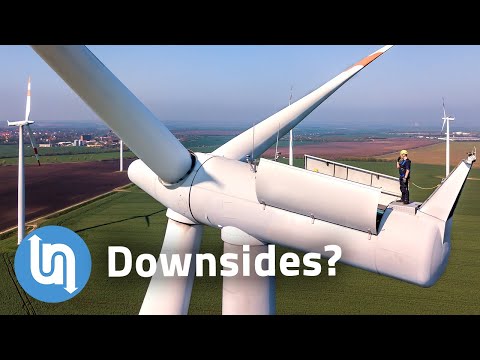
So, picture this: you just took a trip to the beach, and while chilling on the sand, you see this massive wind turbine spinning like it’s auditioning for a reality show. Seriously, it’s mesmerizing! And then you think, “Why not have one of those in my backyard?”
But before you start imagining your own little wind farm with homemade lemonade stands and happy squirrels, let’s chat about costs. Home wind turbines sound like a cool way to save cash on those electric bills. But also? They can be kind of pricey.
Like, if you think about it, investing in green energy feels pretty good. But there are some numbers we’ve got to crunch first. How much do these things really cost? And what goes into that price tag?
Stick around as we break down home wind turbine costs in a way that makes sense. Spoiler alert: it’s not just about taking out your wallet!
Evaluating the Cost-Effectiveness of Home Wind Turbines: A Scientific Analysis
Evaluating the cost-effectiveness of home wind turbines can get a bit technical, but let’s break it down together. Basically, when you’re thinking about putting a wind turbine in your backyard, you want to know if it’s worth the investment, right?
First off, consider the **initial costs**. Installing a home wind turbine isn’t pocket change. You could be looking at anywhere from $3,000 to over $10,000 depending on the size and installation specifics. If you’re picturing that sleek turbine spinning in the wind already, hold on! There are also **maintenance costs**—like upkeep and repairs—which can sneak up on you over time.
Now onto the juicy part: **energy generation and savings**. On average, a small residential turbine can generate anywhere from 400 to 1,000 kWh per month if conditions are right—you know, with enough wind. If you’re paying around 12 cents per kWh for electricity from your utility company, that adds up! But let’s chat about reality checks: not every location has consistent winds that allow for that kind of energy generation.
Another factor is the **payback period**. This means how long it’ll take for your savings to cover your initial costs. Generally speaking, payback periods could range from 6 to 30 years based on factors like location and energy rates. So think about whether you’re planning to stick around long enough for that investment to pay off.
Also important is how much energy you actually need at home. A household that uses more electricity could see quicker returns in their investment than one that doesn’t use much at all. It sort of makes sense; if you have a big family using lots of devices all day long, you’re gonna benefit more from harnessing some wind power!
Then there’s the **incentives** aspect—like rebates or tax credits which can lighten the load a bit. Some states offer incentives to encourage renewable energy usage; those little boosts can help make a significant difference.
Lastly, don’t forget about environmental impact! Reducing reliance on fossil fuels feels good too—turbines produce no emissions while generating power. Even just giving nature a hand by reducing carbon footprint is part of their charm.
So when weighing whether home wind turbines are cost-effective for you:
- Initial Costs: Installation runs between $3K-$10K+
- Maintenance Costs: Upkeep may add extra expenses
- Energy Generation: Can yield 400-1K kWh/month depending on conditions
- Payback Period: Typically ranges from 6-30 years
- Energy Needs: Bigger users benefit more
- Incentives: Check local rebates for financial help!
- Environmental Impact: Reduces reliance on fossil fuels.
So really, it’s not just about slapping one of these puppies in your yard and calling it good—it’s about understanding all these factors first! You follow me? Getting into this renewable energy thing can be super exciting but knowing what you’re signing up for makes it even better!
Assessing the Economic Viability of Home Wind Turbines: A Scientific Analysis of Costs in 2021
Assessing the economic viability of home wind turbines is kind of a big deal, especially when you look at the costs involved. In 2021, more and more folks were curious about whether investing in their own little wind farm could save them some cash on energy bills. So, let’s break down what that looks like, shall we?
First off, you need to think about how much these turbines actually cost. On average, homeowners were spending anywhere from $10,000 to $70,000 for a complete setup. That’s quite a chunk of change! But wait, there’s more to consider than just the up-front cost. The installation can be a pain too. You might need permits or even hookups to the grid if you want to send any excess power back. You follow me?
Now let’s talk about energy production. The amount of energy generated will vary based on where you live. If you’re out in an open area with consistent winds—lucky you! You could potentially generate enough energy to cover your electricity needs and maybe even sell some back to the utility company. That sounds nice, right?
But there’s also maintenance to think about! Turbines aren’t just set-and-forget devices; they require regular upkeep which can add up over time. You might have to replace parts or get professional checks done every few years.
So how do we measure if it’s worth it? There’s this thing called payback period, which is basically how long it’ll take before your savings equal what you spent on your turbine system. For many homes in 2021, people were looking at a payback period of around 6 to 15 years, depending on local energy prices and turbine efficiency.
Also important is local incentives. Some states had fantastic rebates and tax credits for renewable energy projects in 2021 which could shave off plenty from that initial price tag. It’s always smart to check what your local government offers because it can seriously change the game!
And then there’s another factor: environmental impact. While most people are looking at costs and savings, there’s also that warm fuzzy feeling knowing you’re reducing your carbon footprint. Using wind power instead of fossil fuels has got its perks!
To wrap things up: assessing if home wind turbines are economically viable really depends on various factors including initial costs, maintenance needs, local energy prices and incentives available to you. So take some time to crunch those numbers; you don’t want any nasty surprises down the road!
Analyzing Home Wind Turbine Costs: A Scientific Perspective for 2022
Sure thing! Let’s talk about home wind turbine costs from a scientific perspective in 2022. Wind energy has become pretty popular among people looking to save on energy bills and reduce their carbon footprint. So, here’s the scoop on what you might expect when thinking about installing one of these babies.
First off, you gotta consider the initial investment. A decent home wind turbine can set you back anywhere from $3,000 to $8,000 for the unit itself. That includes the turbine, but not installation. When you hire someone to put it up (and trust me, you want a pro for this), that can add another $1,500 to $3,000. Basically, you’re looking at a total of around $4,500 to $11,000 depending on the size and type.
Then there are other costs you might not think about at first:
- Maintenance: Wind turbines aren’t just “set it and forget it” machines. They need some TLC. Plan on spending around $100 to $300 a year for upkeep.
- Permits: Some places require permits before you can install one of these turbines. Costs vary widely by location.
- Insurance: Adding wind turbines might increase your home insurance premiums slightly. Better check with your provider!
Now let’s talk savings. Depending on where you live and how much wind you get in your area (seriously, location matters), a home wind turbine can save anywhere from 20% to 50% on your electricity bills over time. That’s significant!
But there’s something really interesting about energy generation through these turbines: it’s not just about money; it’s also about energy production rates! You see, smaller turbines produce less energy than larger ones—duh! But here’s where it gets tricky—if your spot doesn’t get enough consistent wind (like if you’re in a low-wind zone), even an expensive turbine could hardly meet your needs.
Remember I mentioned location? Well, assessing local wind speeds is crucial. The average household needs at least 9 mph winds for the turbine to really kick into gear and start saving you cash or putting out power effectively.
On top of all that, let’s not forget taxes or incentives. Many states offer tax rebates or credits for renewable energy installations like wind turbines. It could help offset some of those initial costs if you’re lucky!
To wrap things up: Think carefully about those initial costs, potential savings over time, and ongoing maintenance before jumping in headfirst into this green tech adventure! By weighing those factors against each other—and getting well-informed—you’ll be better prepared for what owning a home wind turbine entails.
So yeah, it can be quite an investment but also an exciting step toward sustainable living! Hope this gives you a solid overview!
So, when you think about home wind turbines, what comes to mind? Maybe a cool way to harness some of that wild wind out there? A chance to save on energy costs? Well, let’s break it down a bit, shall we?
First off, the initial investment isn’t exactly pocket change. You’re probably looking at anywhere from $10,000 to $50,000 for a decent setup. Yeah, I know—it sounds like a lot! It’s like buying that fancy car you may have been eyeing or putting a down payment on a house. But here’s the thing: these little wind machines can actually pay you back over time.
Imagine this: you’ve got your turbine spinning in the backyard, and every time it catches a gust, it’s like money in the bank! The magic is in how much energy you can generate. Depending on where you live—like if you’re up on a hill with all those breezes or in an area where the wind just doesn’t want to play—your potential savings can really vary.
Let’s be honest here; there’s also ongoing maintenance costs. You might need to replace parts or even call someone out for repairs occasionally. And then there’s that big question of efficiency. If your turbine isn’t getting enough wind or if it’s not positioned well? Well, that could mean less energy and more disappointment.
But man, isn’t it heartwarming thinking about reducing your carbon footprint and contributing to cleaner energy? It feels good knowing you’re doing something positive for the planet—even if your wallet feels lighter at first.
One time I stood next to a friend’s small turbine while it was whirring away. The sound of those blades cutting through the air was oddly soothing. It made me realize how powerful these seemingly simple machines are: capturing something as intangible as wind and turning it into usable power.
So yeah, while there are certainly costs involved—from installation and maintenance to efficiency issues—the bigger picture isn’t just financial savings. It’s about embracing renewable energy and playing our part in protecting our Earth for future generations. And honestly? That sounds pretty priceless to me!