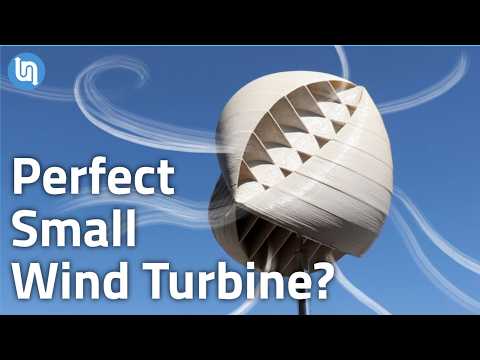
So, you know those giant wind turbines you see on the horizon? The ones that look like some kind of futuristic alien flowers? It’s pretty wild to think about how far we’ve come with them.
I mean, once upon a time, people were using wind for sailing boats and grinding grain. Fast forward to today, and we’re harnessing that same energy to power our homes! Crazy, right?
But wait—have you heard about horizontal wind turbines? These bad boys are changing the game. There’s some serious innovation happening in their design that’s making them even more efficient and effective.
I remember driving through a windy area and seeing these massive turbines spinning peacefully. It felt like they were dancing with the wind, doing their part to save the planet. It was kind of inspiring!
So let’s chat about what makes these horizontal turbines so special lately and why they matter more than ever. Trust me; it’s quite the ride!
Exploring Cutting-Edge Innovations in Wind Turbine Technology: Advancements in Renewable Energy Science
Wind turbines are pretty amazing, aren’t they? You probably see those giant blades spinning in fields or on hilltops, capturing the energy of the wind and turning it into electricity. Well, let me tell you, there’s a whole lot happening in wind turbine technology right now that’s really exciting!
First off, horizontal-axis wind turbines are the most common type you’ll stumble upon. They look like giant pinwheels and work by having blades that rotate around a horizontal axis. Think of it like a bike wheel spinning, with the breeze doing all the work! These turbines have come a long way in design and efficiency.
One **key innovation** involves making those blades longer but lighter. Yeah, you heard that right! Longer blades mean they can capture more wind energy. But here’s the catch: making them lightweight is crucial so they don’t get too heavy to turn easily. Some manufacturers are experimenting with materials like carbon fiber or new composites which help achieve that balance.
Another cool advancement is variable speed technology. This means turbines can adjust their speed based on wind conditions. Imagine driving a car; when it gets windy, you change gears to keep your ride smooth! This tech helps maximize energy production while reducing wear and tear on the turbine components.
And here’s something interesting—smart technology is entering the scene too! Turbines are now equipped with sensors and software to optimize performance. They can monitor their surroundings to figure out when to adjust their blade angles or even shut down during extreme weather conditions. It’s like giving them a brain to make smart choices about how they operate!
Also, let’s talk about placement, alright? Floating wind farms have been gaining traction lately. These are turbines built on floating platforms out at sea where winds tend to be stronger and more consistent than on land. Picture this: instead of being stuck on solid ground where space is limited, these turbines get access to endless open skies! They can generate loads of renewable energy without cramping up your local landscape.
Oh, speaking of landscapes, here’s another thing—turbine designs are getting sleeker and more integrated into our environments. Some new concepts even mimic bird-friendly designs, incorporating features that keep our feathered friends safe while still harnessing clean energy. That’s a win-win for both people and wildlife!
Now plant this in your head: every time we come up with better technology for wind turbines, we’re taking big steps toward reducing our reliance on fossil fuels. And you know what? That means cleaner air for us all!
In short, we’re seeing really game-changing advancements in horizontal wind turbine technologies that not only improve efficiency but also make them safer and more adaptable to different environments. It feels pretty awesome knowing we’re moving closer to a greener world through innovations like these!
Advancements in Wind Turbine Technology: Exploring the Latest Innovations in Renewable Energy Science
Wind turbines, huh? They’ve come a long way in the past few years! I mean, just think back to those old-school windmills you used to see in cartoons or on farms. Now, we have these sleek, giant machines standing tall on hills and beaches, harnessing the power of the wind to make *clean energy*. Seriously cool stuff!
One major leap in technology is the shift toward horizontal-axis wind turbines (HAWTs). These are the ones you usually picture when you think of wind turbines. They look like giant propellers and are super efficient at capturing wind energy. Innovations here have focused on improving their design and performance.
For starters, larger rotor blades are becoming the norm. Bigger blades capture more wind, which means more electricity generated! It’s kind of like having a bigger fishing net; you catch more fish! But with larger blades comes a challenge: they need to be stronger because they face more pressure and stress. Engineers are now using advanced materials like carbon fiber and lighter alloys to make them both strong and light.
Also, have you heard about pitch control systems? These allow turbine blades to angle themselves optimally against the wind for maximum efficiency. Imagine if you could tilt your umbrella just right so that it didn’t turn inside out during a gust! This tech helps turbines adapt to changing wind speeds while keeping everything running smoothly.
Another big deal is offshore wind farms. Setting these bad boys up in oceans or large bodies of water is becoming increasingly popular. Offshore winds tend to be stronger and more consistent than land-based ones, making them ideal for energy generation. Plus, fewer people complain about seeing them from their backyard—which is totally understandable!
But hey, here’s where it gets even cooler: floating platforms. Instead of needing deep foundations on the sea floor, these platforms float on top of the water! They can be placed in deeper waters where winds are stronger without worrying too much about ocean depth. Isn’t that mind-blowing?
You know what else is exciting? The way we’re integrating data analytics and AI into turbine operations. These technologies help predict maintenance needs before something breaks down—kind of like your car’s check engine light but way smarter. Using real-time data lets operators maximize efficiency while minimizing downtime.
Still wondering how this affects you? Well, advancements in wind turbine technology lead directly to cheaper renewable energy prices! As these innovations continue rolling out, we can see lower electricity bills while also tackling climate change issues. It’s a win-win!
So yeah, every time you see those giant structures spinning against the skyline—or maybe even out at sea—you can appreciate that there’s some incredible science behind it all. Wind energy isn’t just breezy; it’s becoming one of the cornerstones of our future energy solutions!
Exploring Innovations in Wind Turbine Design: Advancements and Impacts on Renewable Energy
Wind turbines, you know, are those giant pinwheels you see spinning in fields or off the coast? They’re pretty cool not only because they look kinda futuristic but also because they harness wind energy to produce electricity. So, let’s talk about innovations in their design and how these advancements impact renewable energy.
Horizontal wind turbines (HWTs) are the most common type. They have blades that rotate around a horizontal axis, capturing wind more effectively than some other designs. But here’s the thing—engineers are constantly tinkering with their designs to make them better.
- Aerodynamics: This is all about how air moves around objects. New blade shapes help reduce drag and increase efficiency, which means more power from the same wind speed.
- Material improvements: Lightweight materials, like carbon fiber or advanced composites, make turbines easier to install and maintain while increasing their lifespan significantly.
- Taller towers: Taller structures can reach stronger winds high above the ground. That’s why you might see new turbines towering even higher—like giants munching on fresh air.
- Smart technology: Sensors and software can optimize performance by adjusting blade angles in real-time based on wind conditions. It’s like giving the turbine a brain!
- Modular designs: Instead of one massive piece, having modular components means easier transport and assembly. Plus, it saves on costs!
So here’s a neat anecdote: I once visited a wind farm with some friends who were skeptical about renewables. But when we stood beside one of those massive turbines—it felt like being next to a spaceship! The sound of the blades swooshing through the air was surprisingly calming, like nature’s lullaby mixed with technology.
Now let’s get back to why these innovations matter for renewable energy. As we gear up for this climate crisis (which is serious stuff), improving efficiency is key. Better-designed turbines generate more electricity using less land and fewer resources. It’s a win-win!
Plus, these advancements also bring down costs over time—meaning renewable energy could become more accessible for everyone, not just those with deep pockets. Affordable clean power? Now that sounds promising!
To sum it up, innovations in horizontal wind turbine design are paving the way for a brighter future filled with clean energy. With smarter technology and clever materials making them more efficient and cost-effective than ever before, we might just be spinning our way into an eco-friendly world!
You know, wind energy has been around for ages, but the innovations happening in horizontal wind turbine technology are really something else. I mean, when you think about it, these massive structures are like giant pinwheels harnessing the power of nature! Something about that just gets me excited.
I remember a few years back, visiting a wind farm with my friends. We pulled up to this field where these towering turbines stood like sentinels against the sky. The way they turned, catching the breeze effortlessly, was mesmerizing. One of my friends joked about them being like aliens from another planet. And honestly? I kind of saw his point! They really do look out of this world.
But back to the tech part—horizontal wind turbines have evolved significantly over the years. Once upon a time, they were limited in design and efficiency. But now? We’ve got innovations that make them more powerful and efficient than ever before. For instance, some recent designs incorporate advanced materials that are lighter yet stronger, allowing for bigger blades—which means more energy captured from the wind.
And get this: there are also turbines being designed to be more aesthetically pleasing or even quieter! People used to complain about how noisy they were; now imagine living near one that blends into your surroundings or hums softly in the background. How cool is that?
There’s also been a lot of focus on making these turbines easier to install and maintain. You know how frustrating it can be when things break down? Well, engineers are working hard on smart tech solutions so that maintenance becomes less of a hassle and more proactive.
But despite all this impressive progress—it’s easy to forget that each turbine isn’t just a piece of machinery; it’s part of a larger conversation about sustainability and our future energy needs. It gets me thinking: our choices today will shape how we deal with climate change tomorrow.
So yeah, while we marvel at their design and function, let’s not lose sight of what wind energy represents—a step towards a cleaner planet and smarter technology. It’s pretty inspiring stuff!