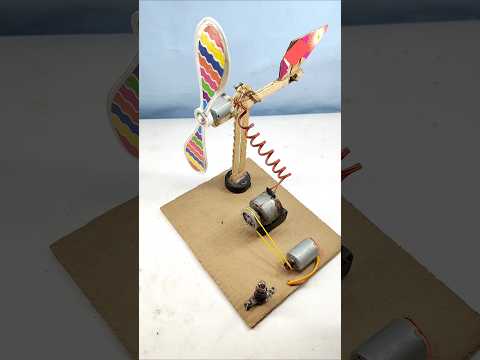
So, imagine you’re cruising down the road in your RV. The open sky, the wind in your hair, and then it hits you: why not harness that wind energy while you’re at it? Seriously, wouldn’t that be cool?
You’ve probably seen those giant wind turbines standing tall in fields. Well, what if you could take a slice of that tech with you? Some clever folks have got this idea of mini turbines for RVs. I mean, it’s kind of genius, right?
Picture this: you’re parked at a scenic spot and instead of just enjoying the view, you’re charging your gadgets with the breeze. Talk about a win-win!
Wind energy isn’t just for massive farms anymore; it’s branching out into our mobile lives. So let’s chat about how RV turbine technology can make that happen. You ready?
Exploring the Feasibility of Installing Wind Turbines on RVs: A Scientific Perspective
So, you’re thinking about putting wind turbines on RVs, huh? That’s a pretty cool idea! The thought of harnessing wind energy while cruising down the road is definitely intriguing. Let’s break it down from a scientific angle and explore if it’s actually feasible.
First off, **wind energy** relies on the movement of air. When you put a turbine in the wind, it spins and generates electricity. Now, if you slap that onto an RV, you’d be looking to create a system that generates power as you drive or camp. But here’s the catch: how much wind are you really gonna get up there on your RV?
One major factor is **aerodynamics**. RVs aren’t exactly known for being sleek. You know how they can be bulky? This design often creates turbulence as they move through the air. That means that while you’re driving, the wind might not hit the turbine as effectively as you’d get from a stationary setup—like those big wind farms you see.
Another thing to think about is **size and efficiency**. Wind turbines typically need to be pretty tall and have a large enough rotor diameter to catch enough wind for effective power generation. Most RVs don’t have that height or space available without looking super weird or becoming unwieldy.
Now let’s look at some specifics:
- Power Output: Small turbines can generate anywhere between 400 watts to 2 kilowatts under optimal conditions.
- Battery Storage: You’d need good battery systems to store all that generated energy since it won’t always be windy.
- Weight Considerations: Adding turbines adds weight, which could impact fuel efficiency—kind of counterproductive when you’re trying to save energy.
Also, consider maintenance! Turbines have moving parts; exposure to elements could lead to wear and tear faster than expected. Think about it—when was the last time your RV went through rain without showing some kind of wear?
But hey! There’s hope on the horizon with small-scale solutions like **vertical-axis turbines**; they tend to perform better in turbulent winds and can be less affected by direction changes. Some designers are even working on flexible solar panels which could complement any potential turbine setup pretty well.
So yeah, while there’s neat potential in combining RV living with renewable energy like wind power, serious challenges stand in the way when we get down into details. The idea has merit but needs fine-tuning and creative engineering before it becomes practical for day-to-day use on road trips!
Harnessing Wind Energy: An In-Depth Look at the Technologies Transforming Renewable Energy Science
Wind energy, in the broadest sense, is all about capturing the power of the wind and turning it into electricity. Ever wondered how we actually do that? Let me break it down for you, but in a chill way.
First off, you probably know about those large wind turbines that dot the landscape like giant fans on steroids. Well, they work by capturing kinetic energy from the wind and converting it into electrical energy. The wind spins the blades, which are connected to a generator; pretty cool, right? The faster the blades turn, the more energy we can harness.
Now let’s talk about something called RV turbine technology. Imagine compact turbines designed specifically for recreational vehicles or small installations. These units are often a fraction of the size of traditional turbines but can still generate a decent amount of power for their applications. They’re perfect for places where space is limited but where you still want sustainable energy solutions.
This means if you’re camping somewhere breezy but not exactly hurricane-level winds, these smaller turbines can still do their thing!
You can take them with you wherever you go! Think about how nice it would be to charge your devices using clean energy while on an adventure in nature.
So how do we get from just spinning blades to actual electricity? The magic happens in those generators I mentioned earlier. In essence, they convert mechanical energy (from those spinning blades) into electrical energy through electromagnetic induction—a fancy term that basically means creating electricity by moving magnets near coils of wire.
But hang on! It’s not just about having any old turbine out there; quality matters too. Efficiency plays a huge role here. Modern turbines are designed with aerodynamic blades and advanced materials that help maximize performance even when conditions aren’t ideal. This ensures we’re harnessing as much energy as possible while minimizing waste.
Of course, every technology has its challenges. Wind doesn’t blow all the time—bummer, right? So integrating battery storage systems with these technologies becomes super important because it allows us to store excess power generated during windy days for use when there isn’t any breeze blowing.
There’s also environmental impact to consider! While wind energy is quite clean compared to fossil fuels, building those giant structures does change landscapes and can affect local wildlife—especially birds and bats. Developers and scientists are working hard on solutions like “bird-friendly” turbine designs that minimize collisions while still providing us with renewable power.
Even though RV turbine technology isn’t mainstream yet—there’s definitely excitement around making renewable resources accessible in everyday life! So next time you see one of those tall turbines spinning away in the distance or think about self-sufficient trips on an RV adventure, remember—you’re looking at a piece of innovative science working towards cleaner energy solutions!
In short: Wind energy technology continues evolving with fascinating advancements like RV turbines aiming to bring green power closer to home—or wherever your adventures take you! And who knows? Maybe one day you’ll be charging up your stuff directly off a breezy gust while soaking up nature! Pretty sweet thought if you ask me!
Exploring the Drawbacks of Wind Turbines in Wind Energy Generation: An Analytical Perspective
So, let’s chat about wind turbines. You know, those towering structures that look like they’re waving hello as you drive by? They’re quite the eco-friendly energy source, but they’ve got their fair share of drawbacks, too.
First off, not everyone is a fan. Some people get really upset about how they look. In areas where turbines pop up, there’s often a debate about “visual pollution.” It’s kind of like putting a big billboard in the middle of a beautiful landscape—you can see why some folks aren’t thrilled.
Next up is the whole noise issue. Turbines spin and create sound. To some, it might be like a gentle whoosh; to others, it’s an annoying hum that just doesn’t quit! Imagine trying to enjoy your backyard BBQ while those things are spinning away—it can really put a damper on things.
Then there’s wildlife impact. Birds and bats sometimes don’t see them until it’s too late. Seriously! Countless birds fly into these blades every year, leading to some pretty devastating consequences for local bird populations. Not to mention the disruption caused to their habitats when wind farms go up.
And let’s not forget about intermittency. Wind isn’t consistent. It doesn’t blow all day every day—sometimes it takes a nap. This means wind energy can be unpredictable; you might expect your home to be powered up but find that there just isn’t enough wind to keep the lights on! So, energy storage systems need to step in, which can complicate things and add costs.
Now here’s something that might surprise you: the materials used in wind turbines aren’t exactly green angels either. Manufacturing the blades involves non-recyclable materials and resources that can harm the environment during extraction and production processes.
Lastly—and this is huge—there’s location limitations. Not every place on Earth is perfect for wind turbines. You need open spaces with consistent winds. So if you live in a hilly or wooded area? Good luck getting those turbines up and running efficiently.
In summary:
- Visual impact: People often debate whether these structures are beautiful or ugly.
- Noisy neighbors: Turbines can be annoying depending on where you live.
- Wildlife concerns: Birds and bats face risks due to turbine blades.
- Unpredictable energy source: Wind isn’t always blowing when you need it!
- Material worries: The production process isn’t as green as one might think.
- No universal fit: Not all locations are suitable for these power generators.
So while wind energy seems super promising—and it really is—it comes with its own set of challenges we’ve gotta think about if we want to harness this natural power effectively. Isn’t it interesting how everything has its pros and cons?
You know, wind energy has become this big deal lately, and honestly, it’s about time. I mean, have you ever stood outside on a windy day and just felt that gust? It’s like Mother Nature herself is giving you a little push. Well, harnessing that power is exactly what RV turbine technology aims to do, and it’s kinda cool how it all works.
So picture this: imagine you’re on a road trip in your trusty RV, cruising through those gorgeous landscapes while being completely off the grid. You’re not just living the dream; you’ve also got a little wind turbine spinning up above to catch some of that sweet breeze. How awesome is that? This technology allows folks to tap into renewable energy without being tied down. It’s almost poetic when you think about it—using nature’s own forces to fuel your adventures!
Now, let me tell you about my buddy Tom. He bought an RV last year and decided to outfit it with one of these nifty turbines after hearing about them online. At first, he was skeptical—like how much energy can one little turbine actually produce? But after a few trips where he parked in windy spots (hello, coastal vacations!), he was blown away by how much power he could generate while still enjoying the great outdoors.
But here’s the deal: setting up these turbines isn’t as simple as pie. There are factors like wind speed and direction to consider because not every campsite has consistent winds (who knew?). Plus, you’ve got all these regulations around where you can even put them up. And let’s not forget about the noise—they can be a bit whirly and loud when they’re cranking out juice.
Still though! When everything aligns—the right spot with enough wind—it’s such a sweet feeling knowing you’re using clean energy to power your devices or even charge your electric bike for those impromptu rides into town. That blend of freedom and sustainability just hits differently.
So yeah, RV turbine technology embodies this exciting shift toward eco-friendliness while still keeping our wanderlust alive. It makes you think: what other natural forces can we harness next? The future is looking bright—or should I say breezy?