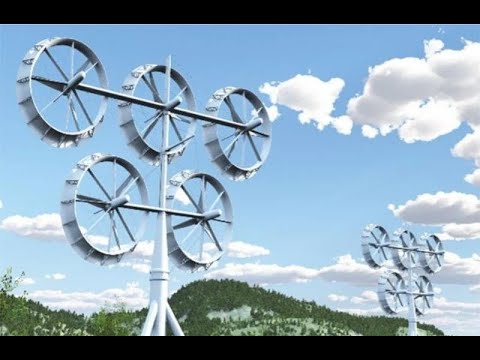
So, picture this: you’re standing on a hill, feeling the wind whip through your hair, and out of nowhere, you see these giant turbines spinning like they’re in a dance-off. Pretty wild, huh? Those bad boys are actually harnessing the wind to make energy!
Wind towers are like nature’s little helpers, turning a breeze into power. And guess what? This is clean energy we can seriously count on. No smoke and mirrors—just good ol’ wind.
You might not think much about it when you’re chilling outside on a breezy day, but the potential for sustainable energy is right there in front of you! So let’s chat about how these towers do their thing and why they’re so crucial for our planet’s future.
Harnessing Wind Towers: Innovative Sustainable Energy Solutions in Science
So, let’s talk about wind towers and how they play a role in our quest for sustainable energy solutions. You know those tall structures you see dotted across the landscape? Yeah, they’re not just there for decoration. Wind towers, or wind turbines, are designed to capture the kinetic energy of the wind and convert it into electricity. Pretty cool, right?
How do they work? Well, it’s actually simpler than you might think. When the wind blows, it moves the blades of the turbine. These blades are connected to a rotor, which spins and turns a generator inside the tower. This generator then converts that spinning motion into electricity that we can use in our homes and businesses.
Now, here comes the exciting part: wind energy is renewable! Unlike fossil fuels that can run out or cause pollution, wind is abundant and clean. Once a wind farm is built, it produces energy without emitting greenhouse gases during operation. This is huge for reducing our carbon footprint! Imagine if more places decided to harness this free resource instead of relying on oil or coal.
But not everything about wind towers is sunshine and rainbows. There are challenges too! For one thing, location matters. Wind farms need to be placed in areas where strong winds are consistent—like coastal regions or open plains—to really make an impact. Plus, sometimes these turbines can interfere with bird migration patterns or even local wildlife habitats.
Let’s not forget about technology either! Innovation continues to push boundaries in this field. For instance, some developers are experimenting with taller turbines and larger blades to capture more wind energy. This means generating more power from fewer units—which is kind of amazing when you think about it!
You might also hear about offshore wind farms—a growing trend where turbines are installed in ocean waters. These setups can take advantage of stronger and more consistent winds compared to land-based ones. Plus, they can help reduce visual pollution on land—some folks aren’t big fans of seeing those tall towers jutting up from the ground.
In short, harnessing wind towers offers innovative solutions for sustainable energy challenges we face today. They provide a way to leverage natural resources that we often take for granted while moving towards greener alternatives for our future energy needs.
So next time you’re passing by those towering beauties spinning gracefully in the breeze, just think: they could be helping power your favorite devices at home! And who knows? Maybe one day we’ll see even more breakthroughs in how we harness this incredible force of nature.
Harnessing Wind Towers: Analyzing Cost-Effective Sustainable Energy Solutions in Science
The idea of harnessing wind towers for sustainable energy is pretty cool, right? I mean, wind has been used for centuries to power everything from sailing ships to grinding grain. Nowadays, we’re taking that age-old concept and cranking it up a notch with technology. But what does that really mean in terms of cost-effectiveness and sustainability? Let’s break it down!
First off, wind towers, also known as wind turbines, convert the kinetic energy from wind into electricity. You see those giant fans on hills or near the coast? Yep, those are doing all the heavy lifting. When the wind blows, it spins the blades of the turbine. This movement turns a generator inside that produces electricity. Pretty nifty! But here’s where it gets interesting:
- Initial Costs: Setting up wind farms can be expensive upfront. You’ve got costs for materials and installation, which can add up quickly.
- Long-Term Savings: However, these costs can balance out over time since wind is free! Once those towers are up and running, they don’t need fuel—just good ol’ Mother Nature breezing by.
- Maintenance: Wind turbines do require maintenance. They have moving parts that wear down and need checking every so often to keep things running smoothly.
You might be wondering about how these turbines hold up in different weather conditions. Well, here’s an emotional throwback: I once visited a small coastal town after a big storm hit. Their wind farm was still standing tall while some other structures faced damage! That’s because they’re designed to withstand strong winds and tough conditions.
When we talk about sustainability, things get even juicier. Wind energy reduces reliance on fossil fuels which are finite resources contributing to pollution and climate change. Like how amazing would it be if we could rely on something as abundant as the wind? Seriously!
- No Emissions: While generating electricity through wind power, there are no harmful emissions released into the atmosphere.
- Ecosystem Impact: Of course, there’s some environmental impact due to land use and potential effects on local wildlife like birds. That’s why careful planning is essential when setting up new sites.
The efficiency of harnessing wind really depends on where you place these towers too! Areas with consistent strong winds are ideal—and people often set them up in coastal regions or open plains where they won’t get blocked by buildings or trees.
A fascinating fact is that some countries have fully embraced this power source! For instance, Denmark generates over 40% of its electricity from wind energy alone! Just think about that—almost half their power comes from simply letting nature do its thing!
If you’re thinking about renewable energy options down the line—even if you’re just pondering it—wind towers deserve a look. They not only represent a step toward cleaner air but also provide long-term economic benefits when managed properly.
This blend of technology and nature feels like an exciting partnership for our future! So next time you see one of those towering giants spinning away in the breeze, remember all the cool stuff happening behind the scenes to make our planet a cleaner place to live.
Advancements in Technology: Mitigating Environmental Impacts of Wind Energy in Scientific Research
Sure, let’s talk about wind energy and how technology is stepping up to make it even better for our planet. You know, wind energy is one of the cleanest sources of renewable power out there. But it doesn’t come without its environmental impacts. That’s where advancements in technology come into play.
First off, the turbines themselves have made some serious progress. New designs focus on reducing noise and minimizing effects on bird and bat populations. For instance, some modern turbines use curved blades that can help lower sound levels which is kind of a big deal for nearby communities.
And then there’s the whole thing about where to place these wind farms. Research has shown that site selection really matters. Advanced mapping and modeling tools are used to predict how wind farms will perform in different locations while taking into account environmental factors. By analyzing weather patterns and wildlife habitats, developers can choose sites that limit disruption to local ecosystems.
Another cool tech advancement? Smart turbine systems. These are basically like having a brain on each turbine! They can adjust their position in real-time to optimize energy capture while minimizing risks to wildlife. Imagine if every time a bird approached, the turbine could temporarily slow down or shut off—pretty neat, huh?
Now let’s not forget about maintenance, which is super important for keeping things running efficiently. Drones and other remote monitoring systems are being used more frequently to inspect wind turbines without needing humans to scale them up—talk about safety! This means less downtime and higher efficiency.
Also interestingly enough, scientists are investigating how batteries can be integrated into wind energy systems better than before. The goal here is to store excess energy from windy days for use when the breeze doesn’t blow as strong. This can really smooth out the ups and downs of renewable energy production!
Ultimately, ongoing research in materials science might lead us toward even lighter turbine designs that can generate more power with less material—think about it! Lighter materials could mean fewer resources are needed overall; this would cut down on the environmental footprint during manufacturing.
It’s pretty clear: technology’s role in mitigating the environmental impacts of wind energy is becoming more crucial every day. These developments don’t just enhance efficiency; they also show an increased awareness of our responsibility towards nature while harnessing its gifts! There’s still work to do no doubt about it, but you gotta admit—it’s exciting stuff!
You know, wind towers, or wind turbines, are one of those things that just make sense when you really think about it. I mean, we’ve got all this natural wind blowing around us all the time! I still remember visiting a coastal area once and seeing these majestic giants spinning gracefully against the blue sky. It felt like being in a scene from a movie where nature and technology were best friends.
So, basically, wind energy is what happens when we harness that wind to generate electricity. The way it works is pretty cool: these tall towers have big blades that catch the wind. When the wind blows, it makes these blades turn. That spinning action then generates power through a generator inside the tower. It’s like magic but, you know, science magic!
But here’s something to think about: while it seems straightforward and eco-friendly—because we’re using renewable resources instead of fossil fuels—there are always challenges involved too. For instance, not every place is windy enough to make them worth it. And there’s the whole thing about how they impact local wildlife—birds and bats can sometimes get caught in those blades.
Still! The excitement around wind energy is undeniable as we look for sustainable solutions in our ever-evolving world. More than just being a renewable energy source, it’s a step toward reducing carbon emissions and fighting climate change. Just imagine cities powered by clean energy! Sounds dreamy? Well, with advancements in technology and smarter designs—like smaller turbines that can work in less windy areas—we might actually get there one day.
So yeah, while there are bumps on this road to renewable energy—for example project costs or community concerns—harnessing that gusty goodness could be part of our toolkit for creating a cleaner planet. And when you see those towers dancing with the breeze? You can’t help but feel hopeful about what they represent for our future!