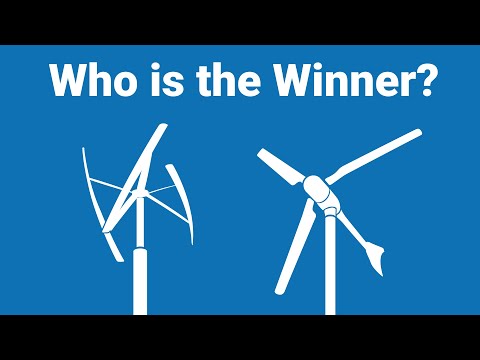
So, picture this: you’re out on a road trip, cruising along the highway, and suddenly you spot these giant wind turbines spinning in the breeze. They look like something out of a sci-fi movie, right? But here’s the kicker—there are two main types of wind turbines: horizontal and vertical. And they each have their own vibe.
I mean, it’s kind of wild how something that harnesses “just” wind can come in different flavors—like ice cream or something! You’ve got the big boys that spin like airplane propellers, and then there are those quirky ones that look like they’re trying to do a dance move.
But why does it even matter? Well, all these differences can totally change how we use wind energy. So let’s dive into what makes them tick and how they impact our quest for clean energy.
Efficiency Comparison of Horizontal vs. Vertical Wind Turbines: A Scientific Analysis
When we talk about wind turbines, we usually think about harnessing the power of wind to create energy. But did you know there are mainly two types of wind turbines? Yeah, they’re called horizontal-axis and vertical-axis wind turbines, and they each have their own strengths and weaknesses.
So, let’s break it down a bit. Horizontal-axis wind turbines (HAWTs) are the ones you often see in those big fields. They have blades that spin around a horizontal axis. Picture a giant pinwheel! These turbines are super efficient at capturing strong winds, especially at high altitudes.
On the flip side, we have vertical-axis wind turbines (VAWTs). These are designed with blades that turn on a vertical axis. They kind of look like giant egg-beaters or even some funky sculptures. Now, you might be thinking: which one’s better? Let’s dig into that.
First up, efficiency in wind capture. HAWTs tend to outperform VAWTs in areas where winds blow steadily and strongly. They can generate more power because their larger blades can catch more airflow. So, if you’re in an area with consistent gales, HAWTs could be your friend.
But here’s an interesting twist: VAWTs can work better in turbulent conditions! If you’re near tall buildings or trees where wind swirls around unpredictably, these might just save the day. Their design allows them to capture energy from any direction without having to pivot like HAWTs do.
Another point worth discussing is maintenance and durability. HAWTs can be more expensive to maintain because they’re taller and have more complex parts like gearboxes. If something goes wrong up there—yikes! That’s a long climb up for repairs. VAWTs aren’t as tall and often have simpler mechanisms which means they’re easier to access when maintenance is needed.
Then there’s the issue of space. HAWTs need a lot of room between them because of how they spin; otherwise, they can get too noisy or create turbulence that messes with their efficiency. VAWTs are more compact, so you can fit them into smaller spaces—great for urban areas!
Now let’s chat about environmental impact. Both types have pros and cons here too. HAWTs can sometimes pose risks for birds due to their height and spinning blades—though modern designs aim to reduce that risk significantly! Meanwhile, VAWTs usually sit closer to the ground which makes them less likely to harm wildlife.
Ultimately, choosing between horizontal and vertical wind turbines really comes down to your specific needs. Are you looking for efficiency in open spaces? Go for a HAWT! Need something compact for a bustling city? A VAWT could work better.
In summary:
- HAWTs: Great for high efficiency with strong winds.
- VAWTs: Better suited for turbulent conditions.
- Maintenance: VAWTs are generally easier to maintain.
- Space: VAHTs require less space than HAWTs.
- Environmental Impact: Both types have considerations; choose wisely.
So there you go! Whether you’re contemplating which one fits your needs or just curious about how these giants work, it’s clear each has its own place in the landscape of renewable energy!
Efficiency Comparison of Horizontal Axis Wind Turbines (HAWT) and Vertical Axis Wind Turbines (VAWT) in Scientific Analysis
So, when it comes to wind turbines, you’ve got two main designs out there: Horizontal Axis Wind Turbines (HAWT) and Vertical Axis Wind Turbines (VAWT). Each has its own quirks and characteristics. Let’s break down what makes them tick, shall we?
First off, **HAWTs** are the classic wind turbines you see on rolling hills or offshore. They usually have two or three blades that rotate around a horizontal axis. Here’s the thing: they’re pretty efficient at converting wind energy into electricity. The **blades** can catch more wind because they’re aligned with the direction of the flow, which allows for higher energy generation.
On the flip side, **VAWTs** look different; they have a vertical structure. There are several types of VAWTs, like the Darrieus and Savonius models. These guys catch wind from any direction, which is super handy. However, their efficiency tends to be lower than HAWTs because they don’t harness as much kinetic energy from the wind.
Now, let’s talk about **efficiency** a bit more closely:
- HAWTs generally achieve efficiencies between 35% to 45% under optimal conditions.
- VAWTs, however, often sit around 20% to 30%. A bit less than HAWTs.
- But here’s a kicker: VAWTs can perform better in turbulent wind conditions where HAWTs might stall out.
It’s kind of like being at a party—HAWTs shine when there’s steady flow (like smooth music), while VAWTs can groove in chaotic environments (think party games).
Moving on to **maintenance and installation**, HAWTs have some drawbacks. Their height means you’ve gotta deal with more complex maintenance issues—like climbing up tall towers during repairs. This isn’t just about getting your hands dirty; it also costs more in terms of labor and equipment.
VAWTs are usually lower to the ground, making them easier to reach for maintenance tasks. Plus, they tend to be smaller and lighter overall. They offer flexibility in terms of placement—you could even pop one on top of buildings!
When considering **cost**, you might lean towards HAWTs for large-scale applications since their higher efficiency often leads to better returns over time in open spaces with steady winds. Yet if you’re thinking small-scale setups or urban environments? VAWTs might just win your heart.
And let’s not forget noise! HAWTs can be pretty noisy when spinning fast—and that’s not something everyone wants near their home or workplace! VAWTs generally operate quieter due to their design.
In terms of life span and durability—both types are built tough but tend to face different issues. For example:
- HAWTs: More susceptible to wear and tear from high speeds.
- VAWTs: Might struggle with structural integrity during high winds but generally handle turbulence better.
So there you go—when you’re comparing these two turbine designs in scientific analysis or just curious about renewable energy sources, each has its strengths and weaknesses depending on what you’re aiming for! In short: it’s not one-size-fits-all; it truly depends on where you’re installing them and how you plan on using them.
Exploring the Disadvantages of Horizontal Wind Turbines: A Comprehensive Analysis in Renewable Energy Science
Wind turbines are a cool way to harness the power of nature. They help turn gusts of wind into energy, which is pretty amazing, right? But not all wind turbines are created equal. Let’s chat about horizontal wind turbines and their not-so-great sides.
Firstly, horizontal-axis turbines (that’s the fancy name for those tall, spinning ones you often see) can be super efficient at capturing wind energy. However, they also come with some challenges that make them less ideal in certain situations.
- Height and Size: Horizontal wind turbines are generally quite tall, sometimes reaching over 300 feet. This makes installation tricky, especially in places where there’s not much space or where construction might disturb local wildlife.
- No Wind? No Power!: These bad boys need wind to work effectively. If the breeze isn’t strong enough or is gusty and erratic, they can lose power output significantly. I remember visiting a windy hilltop to see one spinning like crazy one day and then completely still another day—so unpredictable!
- Noise Pollution: They can be noisy! The whooshing sound of blades slicing through the air can bother neighbors or even local wildlife. Some people find it really annoying when they’re trying to enjoy nature.
- Wildlife Hazards: Birds and bats often find themselves in danger around these machines. The spinning blades can pose a serious threat, causing harm to our feathered friends as they fly by.
- Aesthetic Concerns: Not everyone loves how these giants look on the horizon. Some folks think they ruin a beautiful landscape. You know how some people feel about billboards? It’s kind of similar!
- Maintenance Costs: Keeping horizontal-axis turbines up and running can be expensive due to regular maintenance needs—especially for those higher locations where access is tough.
So what’s the takeaway here? Yeah, horizontal wind turbines have some significant perks like efficiency when conditions are right but have this long list of downsides that definitely should be considered too.
Now, if you think about alternatives like vertical-axis wind turbines, you might find a different set of pros and cons that could make sense for specific situations—like tighter spaces or areas with more turbulent winds.
In renewable energy science, it’s all about weighing these factors against one another: location, budget, environmental impact—and there can be no one-size-fits-all answer!
So, let’s chat about wind turbines, shall we? You know, those giant things that look like they’re dancing in the breeze? They’re all about harnessing that sweet, sweet energy from the wind. But here’s the kicker: there are two main styles of wind turbines—horizontal and vertical. And each has its own vibe, strengths, and quirks.
Now, horizontal-axis wind turbines (HAWTs) are what most people picture. They’ve got those long blades that spin around a horizontal axis. Think of them like giant pinwheels! When you see them in fields or on the coast, they can reach some serious heights—over 100 meters sometimes. They’re efficient when it comes to converting wind energy into electricity because they capture the wind at its strongest levels, which is why you’ll often catch them out in open spaces without many obstructions.
But hey, let’s not forget about vertical-axis wind turbines (VAWTs). These guys have blades that stick out like a helix or maybe even some sci-fi propeller from a movie! The cool thing about VAWTs is their versatility; they can catch wind from any direction. Imagine if you had a friend who could always tell which way the breeze was blowing no matter how windy it got—that’s basically what these turbines are all about! Plus, they tend to be quieter and safer for birds since their design makes it harder for our feathered friends to fly into them.
I remember this time I went hiking with my buddies near a field packed with HAWTs. They looked so majestic against the backdrop of fluffy clouds and open skies; I couldn’t help but feel inspired by how nature and technology intersected there. We even debated which type was more effective while munching on our snacks—one friend was all about those high-flying HAWTs while another rallied behind VAWTs for their aesthetic charm and practicality in urban areas.
But honestly? Both have their place in this renewable energy puzzle. It really depends on where you’re using them and what your energy needs are. If you want something that generates more power with high winds, HAWTs are your best bet but if you’re looking at smaller setups or places where space is tight—hello VAWTs! Each design brings its own flavor to the table.
So yeah, whether you’re cheering for horizontal or vertical turbines, it’s all part of this exciting shift towards greener energy solutions! It’s just wild to think how we’ve figured out ways to harness something as invisible as wind to power our lives sustainably. Isn’t it kinda poetic?