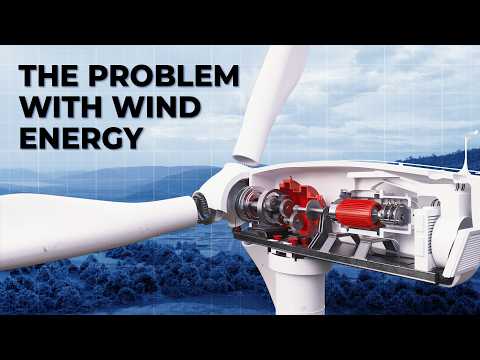
So, here’s a funny thought: have you ever tried to chase a tumbleweed? It’s like trying to catch wind itself—not exactly an easy task! That’s kind of how it feels when we talk about wind energy.
Wind turbines are these amazing structures that turn gusts into power. But you might be thinking, “How much does all this actually cost?” Well, buckle up, because the price tag isn’t as straightforward as it sounds.
From installation to maintenance, there are a ton of factors at play. And let’s not forget about the environmental impact—it might just make your head spin! But don’t worry; I’m here to break it down for you.
So let’s dig into what it really means to ride the wind wave in today’s world. Ready?
Evaluating the True Economic Impact of Wind Turbines: A Scientific Analysis
Evaluating the economic impact of wind turbines can be quite the journey, you know? On one side, you have the clean energy benefits, and on the other, there’s the financial aspect that can really get tricky. I mean, when someone first mentioned wind turbines to me, I just thought of those giant pinwheels spinning in fields. But there’s so much more happening behind the scenes.
First off, let’s look at installation costs. Building a wind turbine isn’t exactly cheap. You’ve got materials, labor, and land to consider. A single turbine might cost around $1.3 million to $2.2 million! But here’s where things get interesting: once they’re up and running, the costs drop significantly because they have low operational expenses compared to fossil fuels.
Another point worth mentioning is maintenance costs. While turbines need regular upkeep—like checking gearboxes and blades—the frequency is less than what you’d expect for traditional power plants. Many turbines are designed to last about 20-25 years; think about how many times you need to change your car’s oil in that time frame—it’s somewhat similar!
Now let’s talk about job creation. The wind energy sector has been a job booster! From manufacturing parts to installation and even maintenance jobs—all those turbines need people to keep them spinning smoothly! For example, installing 1 gigawatt of wind energy capacity can create approximately 1,000 jobs. That’s pretty substantial when you think about it!
But here’s a kicker: what about land use? Wind farms take up space. Farmers sometimes find it tricky juggling crops with these tall structures looming over their fields. Still, many farmers lease land for turbines and earn extra income from that arrangement—it’s a win-win if managed well.
And then there’s environmental impact, which ties into economics too! Wind energy reduces our reliance on fossil fuels. Less burning means lower greenhouse gas emissions and cleaner air—big savings on health-related costs down the line! There are studies showing that transitioning from fossil fuels to renewables could save hundreds of billions annually in health care.
Also important is understanding energy prices. As renewable technologies like wind become more mainstream, they can help stabilize electricity prices over time. When we rely heavily on fossil fuels, prices can swing wildly depending on market conditions or political climates elsewhere.
One more thing: local communities often see economic development opportunities. Wind farms can lead to improved infrastructure as roads are built or upgraded for transporting equipment. Plus, local tax revenues often rise as well; some areas use this funding for schools or parks.
In sum, while wind turbines do have upfront costs and challenges regarding land use or maintenance—but their long-term benefits shine through health savings, job creation, and stable energy prices mean they’re not just good for the planet but also make economic sense too. Just goes to show that those big spinning blades are more than just a pretty sight on the horizon—they’re changing lives in ways we might not even realize!
Evaluating the Current Costs of Wind Turbine Technology: A Comprehensive Analysis in PDF Format
Wind turbines are like giant pinwheels that convert wind energy into electricity. They’ve become super popular in the quest for cleaner energy, but let’s talk about the money side of things, shall we?
First, there’s the **initial investment costs**. Building a wind turbine farm isn’t cheap. You’re looking at expenses for **land acquisition**, which can vary a lot depending on where you are, plus construction costs for the turbines themselves. For example, a single turbine might cost anywhere from $3 million to $5 million to install. That’s a serious chunk of change!
Then, there are also those **operational and maintenance (O&M) costs**. Wind turbines need to be kept in tip-top shape. Regular maintenance is key here; otherwise, they can break down or lose efficiency over time. On average, you could be spending about $42,000 per year on just one turbine for maintenance alone! Imagine if you have a whole field of them—now that adds up.
And we can’t forget about **financing**. Not everyone has millions just lying around to invest in wind farms! Most projects rely on loans or investors who want returns on their investments over time. This financing can squeeze the overall cost even more as interest payments pile up.
But wait—what about the **economies of scale**? Generally speaking, larger wind farms tend to spread out those initial costs better than smaller ones do. Think of it as buying in bulk at your favorite store; it’s often cheaper that way! So larger installations may see lower per-turbine costs because you’re distributing all those finances over many units.
Now let’s switch gears and touch on **government incentives** and policies because they play a huge role in making wind energy affordable too! Many countries have subsidies or tax incentives designed to encourage renewable energy projects like wind farms. These can significantly lower upfront costs and make them more appealing to investors.
Also interesting is how **technological advancements** keep changing the game here. Newer turbines are being built bigger and more efficient with better materials all the time! This means they can produce more electricity while also lowering overall operational costs as tech gets better and cheaper.
The fluctuations in **energy prices** also have an effect on how we evaluate wind turbine setups. When fossil fuel prices rise, for instance, wind power becomes comparatively more attractive because it remains free and abundant when it’s blowing outside!
So yeah—when you put all these factors together: initial investments, O&M costs, financing options, economies of scale, government support, tech innovations and market changes—you start seeing this big picture about why evaluating the current costs of wind turbine technology is complex but essential.
In summary:
- Initial Investment Costs: Typically $3M-$5M per turbine.
- Operational & Maintenance Costs: Average $42k/year.
- Financing: Influences overall project viability.
- Economies of Scale: Larger farms reduce per-turbine expenses.
- Government Incentives: Subsidies help lower initial fees.
- Technological Advancements: Bigger & better turbines lead to cost reductions.
- Energy Price Fluctuations: Make wind power look good as fossil fuels rise.
All this stuff matters if we want to build a cleaner future with renewable energies like wind power leading the charge!
Analyzing the Economic Impact of Wind Turbine Technology: A 2022 Cost Evaluation
When you start looking into wind turbine technology, it’s kind of eye-opening to see how much it has changed over the years. In 2022, the costs associated with wind turbines dropped quite a bit, making them a more attractive option than ever for generating energy. So, let’s break down the economic impact of this tech and what that cost evaluation looked like.
First off, let’s talk about installation costs. The price of installing a wind turbine used to be hefty. You had to consider construction, equipment, and labor expenses. Well, thanks to advances in technology and better manufacturing processes, these costs have gone down significantly. In fact, in 2022, the average cost per megawatt-hour (MWh) was about $30-$50 less than previous years.
- Operational costs also play a major role. Once a turbine is up and running, maintaining it is crucial but can be pricey. However, improved designs now require less maintenance overall because they’re built to last longer with fewer breakdowns.
- The initial investment can still seem intimidating, but government incentives can really help ease that burden. Many places offer tax credits or grants to encourage renewable energy investments.
An interesting aspect of wind energy is its sustainability. Unlike fossil fuels, which can fluctuate in price due to geopolitical issues or natural disasters, wind power offers more stable pricing since it’s sourced from an endless supply—like air! With no fuel costs involved once a turbine is installed, you basically have free power coming in.
The benefit doesn’t stop at just cheaper energy prices; there are wider economic benefits too. For instance:
- Job creation: As new wind farms are constructed and old ones get retrofitted with newer technology, tons of job opportunities pop up in construction and maintenance sectors.
- Local economies benefit as well when companies set up shop nearby for manufacturing or service support related to turbines. This can revitalize communities that may have been struggling economically.
If you think about it emotionally for a sec—imagine communities gaining independence from fossil fuels while creating jobs and boosting local economies! Doesn’t it feel good knowing that renewable solutions could be part of community growth?
Beyond just money saved or earned through direct costs or jobs created are the health considerations too. Cleaner air from reduced reliance on fossil fuels means less healthcare spending on respiratory issues caused by pollution—it just forms this positive feedback loop!
A lot of folks might still be skeptical about transitioning fully to wind energy due to upfront costs or aesthetic concerns regarding turbine placement—but when you analyze the long-term economic impact? It’s like comparing apples and oranges! The benefits generally far outweigh any negatives regarding setup or look.
So yeah, while there are factors at play when evaluating the overall cost-effectiveness of wind turbines in 2022—when balancing installation/upkeep against job creation/community impacts—it’s pretty clear this tech is paving the way for more sustainable futures!
Wind turbines, right? They’re kind of everywhere these days. You might be driving down the highway and spotting those massive blades spinning in the wind. It’s pretty cool, but have you ever thought about what goes into all that? I mean, evaluating the costs of wind turbine technology today is a whole thing, and it’s not just about the price tag you see on them.
I remember going on a road trip with some friends a while back. We took this scenic route through a wind farm—like we were surrounded by these giants, and I just felt this weird mix of awe and curiosity. It’s impressive to think that we can harness the power of the wind! But then, someone in the car asked if it was really worth it. That made me think: what goes into deciding if wind energy is worth investing in?
So, basically, when we talk about costs, it isn’t just about how much cash you shell out for a turbine. There’s manufacturing—the materials used can get pricey. And let’s not forget installation; those things are massive and require skilled folks to set them up safely. Plus, maintenance over time adds to the equation, ya know? It’s not like they can just spin away without care.
And here’s where it gets kind of tricky: while setting up one turbine might cost a pretty penny upfront, they can save money in the long run by generating energy without needing fuel like coal or gas. This leads to lower operational costs as time goes on. But even so, we’ve got to consider stuff like land use or impact on wildlife—those factors come with their own sets of costs.
You see how complex this gets? It’s sort of like budgeting for a family road trip: initial expenses vs. long-term savings while still considering unexpected detours along the way! Then there are also government subsidies or incentives that play into whether building more turbines makes sense financially.
All in all, evaluating these costs isn’t straightforward—it’s tons of variables weaving together different threads of economics and environmental impact. And honestly? It feels like each new development pushes us closer to figuring out sustainable energy but also opens up more questions than answers sometimes! So next time you spot those turbines spinning, maybe take a moment to appreciate all that’s wrapped up in their existence—there’s more than meets the eye!