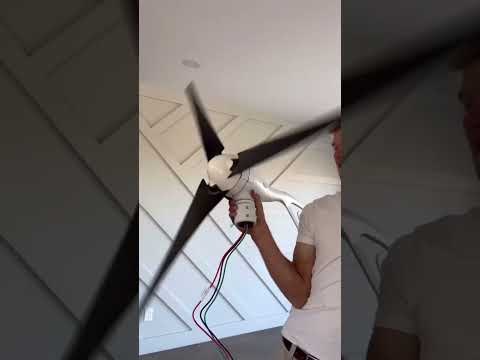
You know, when I was a kid, I used to think wind was like some magical force. One minute, it could knock your hat off, and the next, it’d just be a gentle breeze carrying the smell of cookies from the neighbor’s house. Seriously!
But as I grew up—way too fast if you ask me—I learned that wind is more than just a funny thing in nature. It’s actually a super important source of energy! Imagine harnessing that invisible power to juice up your gadgets or even light up your backyard.
Now here’s the fun part: building your own wind turbine at home isn’t just for mad scientists or engineering whizzes. Nope! With a little creativity and some DIY spirit, you can tap into that energy right in your own yard.
So let’s chat about how to turn those gusty days into something productive. It’s going to be a wild ride!
Legal Considerations for Building Your Own Wind Turbine: A Scientific Perspective
Building your own wind turbine is pretty exciting, right? But before you get all DIY with the tools, there are some legal considerations that you should keep in mind. Seriously, it’s not just about slapping together some blades and a generator. There’s a whole world of regulations and guidelines out there.
First off, you need to check your local laws. Zoning regulations are a big deal here. Not all areas allow wind turbines, especially in urban settings. Some places have height restrictions or rules about how close to property lines your turbine can be. You could find yourself in hot water if you go ahead and build without checking first.
Then, there’s building permits. Many states or municipalities will require you to get one before you can construct your wind turbine. This process usually involves submitting plans along with specifications about size and materials used. It might seem like a hassle, but it’s worth it because it ensures safety standards are met.
Don’t forget about health and safety regulations. If your homemade machine ends up causing damage or injury (yikes!), you could be held liable for that. It’s always smart to design something that won’t blow away in high winds or become a hazard for nearby structures.
Now let’s talk about neighbor disputes. Wind turbines make noise, particularly the larger ones! If you live next to someone who values peace and quiet, they might not appreciate the hum of energy generation very much. That’s why it is often recommended to discuss your plans with neighbors before starting the project; this way, you can avoid potential conflicts later on.
There are also incentives and subsidies that could aid in funding your venture! Many governments support renewable energy initiatives by offering financial assistance or tax breaks for installing sustainable systems like wind turbines—if only building them were that simple! While these incentives vary greatly depending on where you live, they’re definitely worth looking into.
Lastly, don’t overlook environmental regulations. In some places, building a turbine may require an environmental assessment to ensure it doesn’t negatively impact local wildlife—birds especially tend to come up here frequently! Even small homemade projects could fall under these rules if they’re situated near protected habitats.
So basically, building your own wind turbine combines engineering creativity with an understanding of laws that govern energy production in your area. Sure, it might seem overwhelming at first glance—but approaching each legal consideration step by step will make things way easier!
In short:
- Zoning regulations: Know what’s allowed in your area.
- Building permits: Check if you need one before construction.
- Health and safety: Ensure safe design.
- Neighbor disputes: Communicate with those around you.
- Incentives: Look for funding options available.
- Environmental regulations: Be aware of impacts on local wildlife.
So yeah, while the idea of creating clean energy at home sounds amazing—do yourself a favor and navigate these legal waters carefully!
DIY Wind Turbine Construction: A Scientific Approach to Sustainable Energy Solutions
So, you’re curious about building a homemade wind turbine? That’s awesome! Wind turbines are like giant pinwheels that catch the wind and turn it into electricity. Seriously, it’s a super cool way to tap into renewable energy right in your backyard.
First off, let’s break down how they actually work. When the wind blows, it hits the blades of the turbine. This force spins them around, which is connected to a generator. The generator then converts that spinning motion into electrical energy! It’s kind of like magic, but totally scientific.
Now, if you’re thinking of making your own wind turbine at home, you’ll need some materials. Here’s a quick list:
- Blades: You can use PVC pipes or even wood. The shape and size matter!
- Generator: A small car alternator works great for beginners.
- Tower: You’ll want something sturdy—maybe a metal pole or even an old flagpole.
- Batteries: These store the energy you generate for later use.
- Wiring: This connects everything together.
It sounds like a lot, but don’t sweat it! You can find tons of tutorials online that guide you through each step.
When I was in school, I built a small model with my friends as part of a science project. We used simple materials and learned so much about physics along the way! Watching our little turbine spin was such a rewarding moment—like we’d unlocked something amazing!
Safety first! Make sure to secure everything properly. Wind turbines can get top-heavy and may tip over if not built correctly.
A big factor is also location—you want your turbine to be in an area where it can catch maximum wind. Find an open space away from trees or buildings because those can block the flow. Use an anemometer (which just measures wind speed) to check if there’s enough breeze to make your efforts worthwhile.
Now let’s talk about efficiency—a crucial element in this whole thing. The design of your blades affects how much wind they can capture. Longer blades generally catch more air, but make sure they’re not too heavy or they won’t spin well.
Also bear in mind you’ll need to position the turbine facing into the wind direction—just like how a sunflower turns toward the sun! Some folks even add yaw mechanisms (a fancy term for turning) to help keep their turbines aligned with changing winds.
Finally, once you’ve got everything set up and running, don’t forget about maintenance! Like any machine, turbines require some TLC now and then—tighten loose bolts and check connections regularly.
So there you have it—a basic rundown on DIY wind turbine construction! It’s quite an adventure filled with learning moments and that sweet satisfaction of creating something useful out of sheer determination (and maybe some trial-and-error). Remember that every little step you’re taking toward understanding sustainable energy is totally worth it for our planet!
Step-by-Step Guide to Building a Wind Turbine for Your Science Project
Building a wind turbine for your science project is a cool way to dive into renewable energy and engineering concepts. It’s like bringing a little piece of wind power to your backyard! Let’s break down the steps you might consider, keeping it simple yet effective.
Materials You’ll Need
It’s important to gather all your materials before you start tinkering. Here’s what you’ll likely need:
- Small DC motor (this will act as your generator)
- Plastic or cardboard for the blades
- A base (like wood or a strong plastic cup)
- Wires and connectors
- A multimeter (to measure voltage)
Making the Blades
Your turbine wouldn’t be much without blades! You can get creative here. If you’re using plastic or cardboard, cut them into shapes that are about 6-12 inches long. Ideally, they should be wider at one end and taper down. This shape helps catch the wind better. A personal story: I once used old plastic bottles, and it worked like a charm!
Assembling the Turbine
Now that you have your blades ready, it’s time to attach them to the motor shaft. Make sure they’re securely fastened so they don’t fly off when spinning in the wind. You can use tape or glue, but I recommend something stronger if possible. It’s kind of thrilling watching everything come together!
The Base Setup
Secure your DC motor onto a sturdy base. This could be anything from a wooden block to an old toy stand—whatever keeps it stable! The idea is that when the blades spin, they’ll turn the motor and generate electricity.
Wiring It Up
Next up is connecting wires from your motor to wherever you plan on measuring or using the electricity generated. If you’re going for a simple project, just connect it to a light bulb or an LED; this way, you’ll see how much energy you produce right away.
The Testing Phase
This part is super exciting! Take your DIY wind turbine outside on a breezy day and watch it in action. Use your multimeter to measure voltage right off the motor while it’s spinning—don’t forget safety first: keep fingers clear of moving parts!
Tweaking for Efficiency
If at first, things don’t work out perfectly—that’s totally normal! You can tweak blade angles or sizes as needed until you find that sweet spot where everything runs smoothly.
Building this turbine not only gives you insight into renewable energy but also provides hands-on experience with basic principles of physics and engineering—seriously rewarding stuff! Plus, when you see those blades spin in response to nature’s breath? Ahh, such satisfaction comes from making something work with just your own two hands.
So don’t hesitate—grab some materials and let those creative juices flow; who knows what unique design you’ll come up with?
So, the idea of building your own wind turbine at home? That’s pretty cool, right? Seriously, it evokes this image of taking control of our energy needs. Like, imagine standing outside on a breezy day, hearing those blades spin and knowing you’re harnessing nature’s power. How satisfying is that?
When I was a kid, my family went on a road trip through the countryside. We drove past these massive wind farms, and I remember being totally fascinated by those giant white turbines twirling gracefully in the wind. My little brain couldn’t wrap around how something so big and beautiful could actually produce clean energy. Fast forward to now, and the thought of replicating that magic at home feels like a real adventure.
Building your own wind turbine might sound challenging at first. You’re talking about blades, generators, and wiring here! But it’s amazing how many resources are out there to guide you—like videos or DIY blogs making it seem less intimidating. Even if you’re not an engineer or anything close! You don’t need to be perfect; it’s all about trying things out and learning along the way.
Now let’s get real for a sec: Wind energy is such an incredible resource. It’s renewable! Unlike fossil fuels that can run out (and mess up our planet), wind is just there—simple as that. It can help cut down those pesky electricity bills too. Plus, using less power from conventional sources means we’re doing our part for Mother Earth.
Sure, building one in your backyard might not solve global warming on its own overnight. But think of it like this: when more people start creating their own renewable energy sources—like homemade wind turbines—it can spark change on a larger scale. It’s like planting seeds of sustainability in your community!
And honestly? You’d be surprised by how much joy there is in getting your hands dirty while doing something good for the environment—and yourself! Maybe you’ll even inspire neighbors or friends to join in on the fun.
At the end of the day, building a homemade wind turbine isn’t just about generating power; it’s about empowerment! You’re taking action in your own life which feels pretty amazing. So if you’re thinking about giving it a shot—go for it! Who knows what kind of belting winds you might harness?