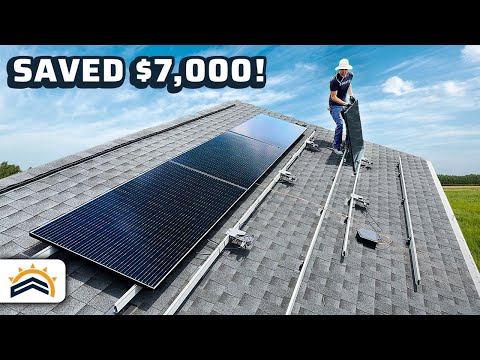
So, picture this: last summer, a buddy of mine decided to go full-on eco-warrior. He got these solar panels and turned his roof into a mini power plant. I mean, every time I’d visit, he’d brag about how he’s basically using sunshine to run his dishwasher.
It’s almost like he was trying to channel his inner superhero with all that renewable energy! Who knew catching sun rays could be such a game changer? But here’s the kicker: you don’t need to be an environmental guru to get in on this sweet deal.
You can totally jump on the solar bandwagon without breaking the bank. Seriously! With self-install solar panels, it’s easier than ever. Imagine slashing your energy bills while soaking up those golden rays? Sounds like a win-win, huh? Let’s chat about how you can make your home work for you in a way that feels good—both for your wallet and the planet!
Understanding the Cost of Self-Install Solar Panels: A Scientific Approach to Empowering Homeowners
So, let’s talk about solar panels and the costs of installing them yourself. If you’ve ever considered slapping some solar panels on your roof, you’re probably looking at a mix of excitement and confusion about the costs involved. You’re not alone there!
First off, **why would you even consider self-installing?** Well, aside from the obvious eco-friendly vibes of harnessing the sun’s power, there’s that sweet potential for saving money. Usually, hiring a pro can rack up those costs, but doing it yourself can help keep that price tag down.
Now, when it comes to **the cost breakdown**, there are quite a few pieces to consider:
- **Equipment Costs**: This is your starting point. Panels themselves can run anywhere from $150 to $700 each, depending on brand and efficiency. Add in inverters (which convert sunlight into usable energy) that might cost between $1,000 and $3,000.
- **Installation Materials**: You’ll need mounting racks and wiring too! These might add another couple hundred bucks to your total bill. And don’t forget about tools—if you don’t have what you need already, that’s more cash flying out the window.
- **Permits and Fees**: Before setting up shop on your roof, check local regulations. Permits might set you back around $50 to several hundred bucks depending on where you live. It’s like paying for a VIP pass before going backstage!
- **Time Investment**: Think about this; how much is your time worth? Installing solar isn’t just a quick weekend project for most folks—it could take several days or even weeks if you’re figuring things out as you go.
And hey, let’s be real here: **there’s a learning curve**! If you’re not super handy or experienced with electrical work (like me), it could lead to headaches—or worse—safety risks. I once tried fixing my own sink without any plumbing knowledge… let’s just say I ended up calling a plumber anyway.
Now let’s look at some ways to make this whole process smoother if you go DIY:
- **Do Your Research**: Seriously! There are so many resources online nowadays—tutorials, forums—you name it. Use those brainy folks who’ve done all this before as guides.
- **Connect with Local Solar Communities**: Sometimes connecting with other homeowners who’ve successfully installed their systems can be incredibly helpful. You might snag insider tips that save time or money!
- **Check Out Incentives/Funding Options**: Many places offer rebates or tax credits for solar installations! That could easily offset some of your costs if you’re eligible.
In terms of **long-term benefits**, remember that once these bad boys are installed and working right—your savings on electricity bills can really pile up over time! Some homeowners report cutting their electric bills by 50% or more after they’ve gone solar.
To wrap this up (kind of like figuring out the last piece of a puzzle), understanding the costs associated with self-installing solar panels is all about weighing your options against each other—equipment versus labor versus risk versus reward. It’s totally doable if you’re game for it!
And remember—whatever route you choose, every step towards renewable energy is a step in the right direction for us all!
Transforming California Homes: The Science Behind Self-Install Solar Panels Empowering Homeowners
So, solar panels are kind of a big deal these days, especially in sunny California. But what’s really cool is the whole self-installation thing. You might be wondering how that works and why it matters, right? Well, let’s break it down!
First off, self-install solar panels are basically systems that you can install on your own roof without needing to call in a bunch of contractors. Imagine you decide one Saturday to take on a project—you dig out your tools and just get to work. That’s what a lot of homeowners are doing.
Now, let’s talk about the science behind these solar panels. They work by taking sunlight and turning it into electricity using something called photovoltaic cells. These cells absorb sunlight and create an electric current. It’s like giving the sun a job—how cool is that?
- Simplicity: The design of self-install systems is made super user-friendly. With clear instructions and all the necessary parts included, it feels more like assembling furniture than doing a major home renovation.
- Savings: One huge perk is saving money! You don’t have to pay for labor costs if you do it yourself, which can really add up.
- Empowerment: You get this amazing feeling when you step back and see what you’ve done—like “I can power my home with sunlight!” It’s pretty empowering.
- Environmentally Friendly: By using renewable energy, you’re also helping out the planet. Fewer fossil fuels mean less pollution, which is good for everyone.
You wanna know something funny? I was talking to a buddy who installed his own panels last summer. He said at first he felt overwhelmed—a bit like when you try to put together an IKEA shelf without any help. But once he got going, he loved every minute of it! Dude even took pictures of each step! This hands-on approach can change how people think about energy consumption.
The installation process generally involves putting brackets on your roof, setting up the panels themselves, connecting them to your electrical system, and then—bam! You’re generating electricity right from sunshine! Sounds pretty epic if you ask me.
Also worth mentioning: there are some regulations and permits needed before diving in headfirst. Depending on where you live in California—or anywhere else—make sure to check local guidelines so your DIY dream doesn’t turn into a nightmare!
If something breaks or there are issues down the line? Most systems come with warranties or support options that help homeowners troubleshoot problems—because everyone needs a little backup sometimes!
At the end of the day, transforming your home with self-install solar panels isn’t just about saving cash; it’s also about taking control of how you use energy. You control your power—literally!
So next time someone mentions solar panels or you’re sipping coffee while wondering about lighting bills—just remember: with great power (from the sun!) comes great responsibility (and some amazing DIY potential). It’s really changing the game for homeowners across California!
Step-by-Step Guide to DIY Solar Panel and Inverter Installation: A Scientific Approach
Alright, let’s talk about solar panels and inverters, and how you can actually install them yourself if you’re up for the challenge. It might sound a bit overwhelming at first, but I promise it can be done as long as you take it step by step.
First off, let’s clear up what a solar panel does. Basically, it captures sunlight and converts it into electricity. Now, the inverter? That’s what changes the direct current (DC) from the panels into alternating current (AC), which is what your house uses to power things like lights and appliances.
Step 1: Planning Your Setup
Before buying anything, you need to do some planning. Look at your roof space. Are there areas free of shade? How much sunlight does your place get? You can use online tools or apps that track solar production based on your location. Like a friend of mine once said, “It’s not about what you want; it’s about what your roof can handle!”
Step 2: Choosing Your Equipment
Now comes the fun part—shopping! You’ll need solar panels and an inverter that matches their output capacity. Consider brands with good reviews but also check warranty options because you’ll want something durable. Don’t forget to grab mounting brackets and wiring while you’re at it!
Step 3: Gathering Tools
You won’t need a ton of tools, but here are some essentials:
- A drill
- A wrench set
- A ladder (safety first!)
- Wire cutters/strippers
- Screwdrivers
- A multimeter (super helpful for testing connections)
Step 4: Installing the Panels
Start by securing the mounting brackets onto your roof according to local codes—seriously check those—you don’t want anything flying off in a storm! Then, slide the panels into those brackets and secure them down nice and tight.
Step 5: Wiring It Up
This part is pretty critical! You’ll connect the panels in series or parallel depending on voltage requirements; luckily most instructions will guide you through this part based on your specific setup. Don’t forget to double-check everything with that multimeter before powering anything up.
Step 6: Setting Up Your Inverter
Place your inverter close to where all those wires come down from the roof for efficiency. Hooking this bad boy up usually involves connecting wires from both your batteries (if you have them) and solar panels directly into their respective ports. Make sure all connections are snug—loose ones can lead to problems later!
Final Stage: Connecting To The Grid or Batteries
If you’re going off-grid, connect everything with battery storage in mind. If you’re connecting to the grid, ensure you’ve followed all guidelines set by local regulations—they’re super important for safety.
And there you have it! Once everything is connected properly—and checked by someone who knows their stuff—it should work like a charm! Just remember that patience is key here; don’t rush through steps just because you wanna see results yesterday.
That little rush of excitement when flipping that switch for the first time? Trust me, it’s worth every bit of effort! Seriously though, this project not only saves money in energy costs but also helps reduce reliance on fossil fuels.
And hey—ask questions if you’re unsure about something during installation. Even seasoned DIYers hit roadblocks sometimes; it’s all part of learning something new!
Imagine standing outside your home, feeling the sun’s warmth on your face. It’s like nature’s way of giving you a gentle nudge to harness its energy—like, hey, why not use this for something good? That’s where self-install solar panels come in. They’re becoming a thing that’s both exciting and empowering.
Thinking about it, there was a time when solar energy seemed reserved for the super tech-savvy or those with deep pockets. Remember that time when your neighbor splashed out on those fancy panels and you were just… well, left in the shade? Well, now it’s different! With self-install options popping up everywhere, you don’t have to be an expert to jump on the solar train.
So let’s paint a picture. You’ve just ordered your solar kit online—easy peasy. It arrives at your door like an unexpected gift. And after doing some research (thank you, Google), you’re ready to tackle this DIY project. There’s a thrill in rolling up your sleeves and turning what used to be a dream into reality.
And here’s the kicker: by installing them yourself, you’re not just saving cash—you’re also taking charge of your energy use. There’s something incredibly satisfying about knowing you’ve played an active role in reducing your carbon footprint while lowering those electricity bills. Seriously, it feels like winning a small battle against climate change right from your backyard!
Of course, there are some bumps along the way. You might find yourself scratching your head while trying to follow instructions or juggling tools that feel heavier than they should be. But hey, perseverance is key! Just think of that sense of accomplishment when you finally flip the switch and see those panels working their magic under the sunlight.
And it doesn’t stop there! You become part of a community—one where people share tips about their experiences or troubleshoot problems together online. There’s this camaraderie among homeowners turning their rooftops into power sources instead of just sitting there being pretty.
In short, self-install solar panels aren’t merely about harnessing sunlight; they’re about empowerment and connection too! So if you’ve ever thought about going solar but felt intimidated or overwhelmed by it all—just remember: every little step counts! You can totally do this—and who knows? Maybe one day you’ll look back and say that was one of the best decisions you ever made for you and the planet.