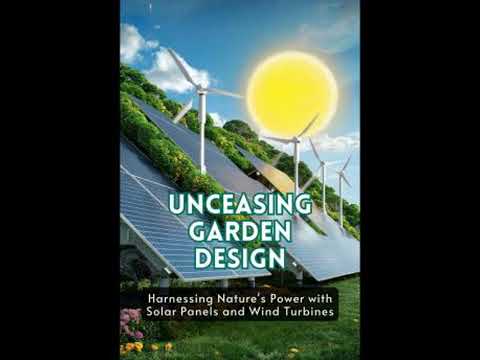
So, picture this: you’re sitting outside on a sunny day, sipping your iced tea, and you suddenly think, “Dude, why aren’t we using all this sunshine for something awesome?”
That’s where solar panels come in. They’re like the cool kids on the energy block, soaking up rays and turning them into electricity.
But here’s the kicker: solar panels aren’t flying solo anymore. Enter wind turbines! These giant pinwheels are catching breezes and whipping up even more energy.
It’s like nature threw a party and said, “Hey, let’s team up!” Solar panels and wind turbines are joining forces to help us tap into renewable energy like never before.
Sounds cool, right? Let’s dig into how these two are teaming up to harness nature’s power.
Examining the Scientific Concerns Behind Opposition to Solar Farms
Sure, let’s chat about the scientific concerns people have with solar farms and why there’s some pushback against them. It’s a pretty big topic, with lots of layers, you know?
First off, the primary concern for many folks is land use. Building solar farms requires a significant amount of space. This can lead to habitat loss for local wildlife. Imagine a sunny field turning into rows of solar panels. Some species might not adapt well to these changes, and that can disrupt local ecosystems. And if we’re losing biodiversity, that can be a big deal.
Another point of contention is the environmental impact during the construction phase. Clearing land for solar panels can lead to soil erosion and potential pollution from heavy machinery. Plus, there are concerns regarding the materials used in creating those panels themselves—like silica and heavy metals—which could cause issues if not managed properly.
Then there’s energy efficiency to consider. Some critics argue that while solar energy is renewable, it isn’t always as efficient compared to other sources like wind or hydroelectric power. Solar panels convert sunlight into electricity at around 15% to 20% efficiency on average, which isn’t super high when you think about it.
Also, let’s chat about energy storage. Solar energy production isn’t always aligned with peak demand times—like when everyone turns on their air conditioners during a heatwave—which means we need good storage solutions (hello batteries!). If this tech doesn’t keep up with demand or isn’t economically viable, relying heavily on solar could be tricky.
And while most of us are excited about clean energy cutting down on greenhouse gas emissions, it’s essential to remember that manufacturing and disposing of solar panels brings its own challenges. The process can produce emissions too! There’s also an ongoing conversation about how we recycle old or damaged panels properly—there aren’t clear guidelines yet.
Finally, social concerns come into play as well. Some communities push back against local solar projects due to aesthetics or fear they’ll negatively impact property values. Have you ever seen those massive fields filled with shiny panels? Not everyone thinks they’re beautiful!
So yeah, while there are tons of benefits to harnessing the sun through solar farms—like reducing reliance on fossil fuels and potentially lowering electricity bills—there are valid concerns that need addressing too. It’s all about finding that balance between progress and preserving what makes our planet special!
Understanding the 20% Rule for Solar Panels: A Scientific Perspective on Efficiency and Performance
So, let’s chat about the **20% Rule** for solar panels. You might be wondering, what on earth does that mean? Well, this rule is all about how efficient solar panels can be at converting sunlight into usable electricity. To keep it simple, most solar panels out there have an efficiency rating somewhere around **15% to 20%**. That means they can convert about that much of the sunlight they catch into energy.
Why does this matter? Well, let me tell you a little story. A friend of mine recently got solar panels installed on their roof. They were super excited! They thought every ray of sunshine would create tons of energy for them. But when the installer explained the efficiency numbers, their face dropped a bit. “Only 20%?” they asked. And yes, that’s the reality with most systems today!
Now, let’s break down this whole idea a bit more:
- Efficiency Ratings: The efficiency rating tells you how much incoming sunlight can actually be converted into electricity.
- Performance Variations: Not all solar panels are created equal! Some might have higher ratings based on different technologies like monocrystalline versus polycrystalline.
- Environmental Factors: Things like shading, dirt on the panels, and even temperature changes can affect how well your system performs.
The 20% efficiency figure isn’t just some random number; it’s backed by scientific developments in material science and engineering. Solar cells made from silicon—which is super common—are roughly where we sit today with those percentages.
But here’s where it gets interesting: research is constantly pushing those boundaries! Scientists are working on new materials and techniques to create more efficient solar panels. For instance, transparent solar cells could eventually make windows work as energy collectors too! Imagine buildings that not only keep you dry but also generate power!
Another cool thing to keep in mind is how these systems fit into the big picture of renewable energy—especially when paired with wind turbines. When one resource isn’t producing much (like when it’s cloudy), another one might pick up the slack (think windy days). So together, they’re like a team working towards cleaner energy.
Ultimately, if you’re considering putting up some solar panels or just want to understand them better, remember that while 20% sounds modest at first glance—there’s a whole lot more going on under the surface.* Smart installations, coupled systems like wind turbines and careful maintenance can help maximize your gains from these eco-friendly techs.
In short: understanding this rule helps demystify just how effective solar technology is right now and what it could become down the line!
Integrating Solar Panels and Wind Turbines: A Comprehensive Guide to Sustainable Energy Solutions for Sale
Integrating solar panels and wind turbines can be a super effective way to create a sustainable energy solution. It’s like teaming up two powerful forces of nature! Just think about it: solar energy captures sunlight while wind turbines harness the power of wind. Together, they can provide a steady flow of renewable energy.
So, let’s break down how these two can work hand-in-hand!
Why Combine Solar and Wind?
Using both technologies helps balance out their strengths and weaknesses. For instance, when the sun isn’t shining, it’s often windy—and vice versa. This means you get more reliable energy generation all year round.
Location Matters
When setting up a system, the location is crucial. You want to find a spot that gets plenty of sunshine and has consistent winds. Ideally, place solar panels on rooftops or clear land where they won’t cast shadows on each other or any nearby structures.
And then you want your wind turbines to be in open areas where the wind flows freely without obstruction from buildings or trees. This is key for maximizing efficiency!
Energy Storage Solutions
You know what could throw a wrench in the works? Intermittent production! Sometimes the sun shines bright while the wind ain’t blowing, right? That’s where energy storage systems come into play—like batteries!
These systems store excess energy produced during sunny or windy days so you can use it when conditions aren’t ideal. So, basically, they act like your backup squad when nature is taking a break!
The Grid Connection
Once you’ve generated that sweet renewable energy, connecting it to the grid becomes essential. This allows you to share excess power with your community—or draw from it when needed. You might have heard about net metering; this helps homeowners sell surplus power back to utilities. It’s like getting paid for being green!
Cost-Effectiveness
Investing in both solar panels and wind turbines may seem pricey upfront but hold tight! The long-term savings can be significant. With lower utility bills and potential tax credits for renewable energy projects, people tend to see their investments pay off over time.
Plus, by reducing reliance on fossil fuels, you’re helping fight climate change—so there’s that feel-good factor too!
A Real Example
Take Denmark as an example—a country that’s rocking this whole thing! They’ve combined wind farms with solar installations across various towns successfully. Their model shows how cities can become largely self-sufficient in terms of energy through smart integration.
In short, combining solar panels and wind turbines offers a balanced approach to producing clean energy—just like nature intended! If we give these green giants room to thrive together, who knows what we might achieve?
You know, when I think about solar panels and wind turbines, I can’t help but feel a bit excited. I mean, these two technologies are like best buddies teaming up to tackle our energy needs while giving Mother Earth a break. It’s pretty cool when you think about how they each play a unique role.
Solar panels are like those overachievers in class. They soak up sunlight and convert it into electricity, which is something we definitely need, especially during sunny days. I remember visiting a friend’s house that had solar panels installed. It was kind of mesmerizing to see how they just sat there, quietly working their magic while we barbecued in the backyard. The thought that our fun little gathering was being powered by sunshine felt almost surreal.
On the flip side, wind turbines are like those free spirits that dance in the air with every gust of wind. Just picture it: big white sails turning gracefully on a hilltop or by the coast, generating energy as they spin. There was this one time I went hiking near some turbines and stood there feeling the breeze whip past me while these giants quietly hummed away. It really hit me how powerful wind can be when harnessed correctly.
Now here’s where things get interesting: combining these two can boost our energy game even more! Imagine a sunny day with calm winds—solar panels can pick up the slack. On windy days when sunshine is scarce, those turbines can take over. It’s like having an energy backup plan that works seamlessly together.
But it does make you wonder: why aren’t we doing this everywhere yet? You’d think it would be a no-brainer to combine solar and wind power more widely. Maybe it’s just about getting folks on board and investing in infrastructure so we can really harness what nature offers for us.
There’s something beautiful about this union between solar and wind—like nature lending us its superpowers to create cleaner energy for a better future. Isn’t that worth celebrating? So yeah, every time I see solar panels soaking up rays or turbines spinning in the breeze, it gives me hope for what lies ahead if we keep moving forward together!