You know that feeling when the wind just whips through your hair? It’s like nature’s way of saying, “Hey, remember me?” Well, what if that gust could power your whole house? Seriously!
A few months ago, I visited a friend who has this quirky little wind turbine in their backyard. I thought it was just for show, but nope! That thing was churning out energy while we sipped lemonade. Crazy, right?
So here’s the scoop: small wind turbines are becoming super popular for homes looking to go green. Imagine generating your own electricity while helping the planet at the same time! It’s like getting a high-five from Mother Nature.
And trust me, there are plenty of ways to harness that breezy goodness. Let’s take a look at how those little turbines can change the game for anyone wanting to live more sustainably. Sounds exciting? I thought so too!
Exploring the Feasibility of Installing Small Wind Turbines on Residential Properties: A Scientific Perspective
You might have seen those little wind turbines on rooftops or in gardens and thought, “Hmm, could that really work for my house?” It’s a neat idea, right? Let’s break down how feasible it actually is to install small wind turbines on residential properties.
First off, we have to look at wind resources. Not every location has enough wind to justify a turbine. Generally, areas with average wind speeds of at least 10 miles per hour are ideal. If you live in a place where the wind barely whispers, it may not generate enough power to make the investment worth it.
Then there’s the size of your property. Turbines need space—not just for the turbine itself but also for safety reasons. Most small residential turbines require at least half an acre of clear land around them to avoid issues from turbulence created by nearby buildings or trees. Imagine having a tree too close—it could be waving its branches around and messing with your power generation.
Also, check out your local regulations. Some neighborhoods have strict zoning laws about installing wind turbines. Before you get excited about turning your home into a mini power station, see what your local government allows. You don’t want to get halfway through installation only to find out you need special permits—or worse, that you can’t even do it!
Now let’s talk about costs. Installing a small turbine can range from $5,000 to $15,000 or more! That includes the turbine itself plus installation and any necessary permits. And sure, you might save some money on your energy bills down the line, but you really need to crunch the numbers based on how much energy you use and the size of the system. It’s kind of like buying new shoes—you want them comfy and stylish but also practical for everyday wear.
Speaking of energy generation, small turbines typically produce between 400 watts and 10 kilowatts depending on their size and wind speed. To put this in perspective: a small system might cover some basic appliances—like lights and maybe a refrigerator—but not usually everything in a standard household unless it’s paired with something else like solar panels.
Let’s not forget about maintenance. Small turbines aren’t just “set it and forget it.” They require regular checks and maintenance—oil changes for moving parts or inspections after bad weather events could be necessary. You definitely don’t want your turbine sitting idle because it hasn’t been cared for properly!
And here’s an emotional angle: I remember visiting my friend who installed one of those smaller turbines in his backyard. At first, he was all giddy about harnessing that sweet wind energy! But after dealing with some permit issues and realizing he needed more space than initially thought…well, let’s say his enthusiasm was dampened just a bit! It made me realize that while it’s super cool in theory; reality can throw curveballs!
So yeah, installing small wind turbines at home is possible—but there are several hurdles to hop over first: adequate wind speeds, property size considerations, local laws & regulations, upfront costs versus long-term savings, maintenance needs—you follow me?
In summary:
- Assess Wind Resources: Make sure there’s enough consistent wind.
- Check Property Size: Ensure there’s ample space without obstructions.
- Know Regulations: Understand what your local laws allow.
- Calculate Costs: Weigh initial investments against potential savings.
- Plan for Maintenance: Be ready for upkeep over time.
Wind energy can be sustainable if approached thoughtfully! So if you’re seriously considering it—do your homework first!
Assessing the Viability of Mini Wind Turbines: A Scientific Evaluation of Benefits and Limitations
So, let’s chat about mini wind turbines. You might have seen those cute little guys spinning away on rooftops or in backyards, right? They’re like the smaller cousins of the big industrial ones we see in fields. But are they really worth the hype? To answer that, we have to dig into their benefits and limitations.
First off, these little turbines can be a real asset for sustainable living. They harness wind power, which is one of the cleanest energy sources we have. Imagine your home generating its own electricity just from that fresh breeze outside!
Benefits
- Renewable Energy Source: Wind is abundant and endlessly replenished. As long as the sun shines and the wind blows, you’ve got power.
- Lower Energy Bills: By generating your own electricity, you can cut back on those pesky utility bills. It’s like getting a discount on the power you use!
- Eco-Friendly: Mini wind turbines produce no harmful emissions while generating electricity. They help reduce your carbon footprint.
- Independence: With your own turbine, you’re less reliant on the grid. This can be especially nice during outages or price spikes in energy costs.
But hold up! Before you rush out to buy one of these things, there are some limitations to consider.
Limitations
- Initial Cost: The upfront cost of purchasing and installing a mini wind turbine can be quite high. It’s not just like buying a garden gnome!
- You Need Wind: The effectiveness really depends on having consistent winds where you live. If you live in still areas, it may not spin enough for significant power generation.
- Noisy Operation: Some people find them annoying—especially if it’s near bedrooms or living spaces.
- Aesthetics & Zoning Issues: Depending on where you live, there might be restrictions or neighbors who don’t like looking at these turbines from their window.
Here’s a quick story: A friend of mine decided to install a mini turbine at home because he was all about going green and saving money. After months of anticipation and planning (complete with permits), they finally installed it! But guess what? The tiny amount of wind in their neighborhood barely turned it! For him, it became more of an ornament than an energy producer.
So what’s the bottom line here? Mini wind turbines can definitely help with sustainable energy at home—but they come with both perks and challenges. You need good wind conditions and must manage costs effectively if you want to make it work for you.
At the end of the day, whether or not a mini turbine is viable depends heavily on your location, budget, and goals regarding sustainable living. That said—if conditions are right—it could be a pretty cool addition to your eco-friendly lifestyle!
Understanding Home Wind Turbine Costs: A Comprehensive Analysis for Sustainable Energy Solutions
Wind energy is like that cool friend who’s always ready to help out in a pinch. It’s clean, renewable, and can seriously cut down on your electricity bills. If you’re thinking about getting a home wind turbine, let’s break down the costs and what you might expect.
The initial thing to consider is the upfront cost. A small residential wind turbine typically ranges from $10,000 to $70,000. It really varies depending on factors like size, brand, and installation requirements. Some smaller models – think 400 watts – can be found for around $3,000 to $5,000. That may sound steep at first glance.
Then there are the installation costs. This can add another $5,000 to $15,000 on top of the purchase price. You’ve got to factor in labor for installation and maybe some local permits or inspections. It’s not always straightforward; different places have different regulations.
But hang on! After the initial investment comes the fun part: savings on your energy bill! Depending on how much wind you get where you live and how big your turbine is, homeowners might save anywhere from a few hundred bucks a year to thousands over time. So that initial expense isn’t all doom and gloom!
Another thing to keep in mind is maintenance costs. Wind turbines aren’t no-maintenance devices—regular check-ups are a must. You might spend about $100 to $500 annually depending on the kind of turbine you have and how often it gets used.
You also need to consider what I like to call “hidden costs.” For instance:
- Insurance: It’s smart to let your insurance know about the turbine because it may affect your homeowner’s policy.
- Property tax: In some places, installing renewable energy solutions can increase property taxes.
- Grid connection: If you’re planning on connecting your system back into the grid (which many do), there may be interconnection fees.
Now let’s talk about longevity! Most small turbines last around 20 years—if they’re well-maintained. Imagine that! Two decades of clean energy after an upfront investment; pretty cool if you ask me.
All these numbers can feel overwhelming for sure—don’t sweat it too much! Think of investing in a home wind turbine as planting a tree. You put in effort now for something that’ll provide benefits in the future—not just for you but potentially for local wildlife and even future generations.
Anyway, if you do decide this whole wind power thing is for you, take some time researching local options because prices can vary quite a bit based on location and availability—you want something that fits not only your budget but also your lifestyle.
So really consider this: Is battling rising energy costs worth investing in that home wind turbine? With savings potential and sustainability factors buzzing around like… well… wind itself? That answer could very well be yes!
So, let’s chat about wind power for a minute. You know how sometimes you’re outside on a breezy day and it just feels refreshing? Like that cool breeze ruffling your hair? Well, imagine if we could capture that energy and turn it into electricity for our homes. That’s where small wind turbines come into play. Totally cool, right?
I remember visiting a friend’s place in the countryside. She had this small turbine in her backyard. I didn’t think much of it at first—just another gadget, you know? But then I saw how much energy she was saving. Her electricity bills were way lower than mine! Just the idea that she was using something as simple as wind to power her home felt empowering.
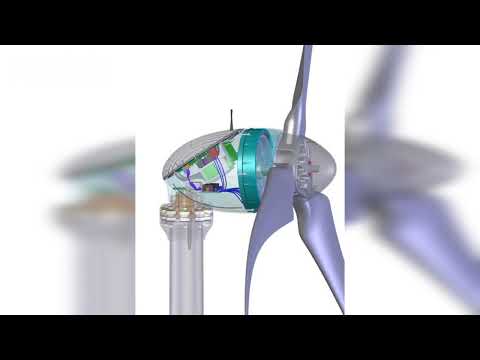
So, small turbines are these compact versions you can install at your place without taking over your entire yard. They work pretty similarly to those giant wind farms you see on the outskirts of cities but on a smaller scale. The blades spin when the wind blows, which turns a generator inside and, bam—you’ve got electricity! It’s kind of magical how nature just gives us this resource for free.
But here’s the thing: Not every home is suitable for a turbine. You need enough space and ideally an area with good wind flow—so not too many trees blocking the breeze or anything like that. It’s all about location, right? And then there are permits and regulations to consider—much more fun than it sounds! Seriously though, it can be a little tricky navigating through all that red tape.
Also, while installing one might feel like a big step towards sustainability (and hey, every little bit counts!), these turbines aren’t a catch-all solution to our energy problems. They can generate power inconsistently because… well, nature is unpredictable! So pairing them with other sources of renewable energy is usually a smart move.
Integrating small wind turbines isn’t just about cutting costs; it’s also about taking control of our energy use in an eco-friendly way. Picture living in harmony with nature rather than relying solely on fossil fuels or traditional grids. There’s something really satisfying about making such choices for the planet—and for yourself.
At the end of the day, harnessing wind power brings us closer to sustainability—even if it’s just one small turbine at a time. It kind of makes you feel like you’re part of something bigger, doesn’t it? Who knows? Maybe someday we’ll look back and see these little machines as pivotal moments in our journey toward cleaner energy solutions.