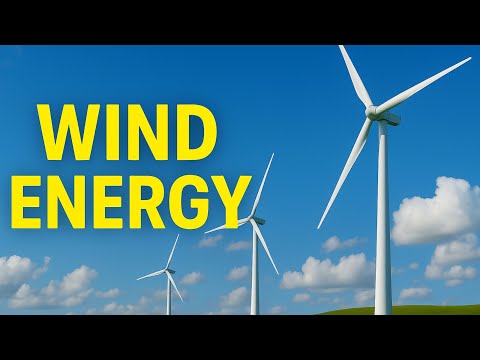
So, imagine this: you’re on a road trip, windows down, music blasting, and suddenly a big gust of wind hits you. It feels amazing, right? Well, that wind isn’t just good for your hair; it’s actually one of the coolest natural resources we have!
Wind power is like nature’s secret weapon for creating energy without wrecking the planet. Seriously! Those giant wind turbines you see dotting the landscape are like nature’s little energy factories.
And here’s a fun fact: every time those blades spin, they’re turning kinetic energy into electricity—just like magic! But it’s not just about saving on your electric bill; it’s about paving the way toward a sustainable future.
We’ve got to chat about how this untamed force can change our world for the better. So let’s dig in and see how harnessing the wind can lead us to a brighter tomorrow!
Evaluating the Sustainability of Wind Energy: Implications for Future Environmental Science
Evaluating wind energy’s sustainability is, like, super crucial for the future of our environment. Wind power can be a game-changer when it comes to reducing greenhouse gas emissions and combating climate change. Here’s the lowdown on what makes wind energy a big deal in environmental science.
First off, wind energy is renewable. Unlike fossil fuels, which take millions of years to form and can run out, wind is constantly available as long as we have the sun heating the Earth. This means **sustainable energy generation** without depleting resources.
But wait, let’s talk about how wind turbines actually work. They convert kinetic energy from the wind into mechanical energy and then into electricity. This process doesn’t emit carbon dioxide or other harmful gases during operation, which is pretty cool!
Now, you might be wondering about the effects on wildlife. It’s true that some birds and bats can get hurt by turbines, but advancements in technology are helping to minimize these impacts. Like, using better turbine designs or placing them in less populated areas where birds hang out less often.
Here are some key points to consider:
- Land Use: Wind farms require space but they can coexist with agriculture or grazing land. That’s a win-win!
- Recyclability: Turbine blades were once a concern since they’re tough to recycle; however, new methods are being developed to address this issue.
- Carbon Footprint: From manufacturing to installation, there’s some carbon output involved but it’s much lower than fossil fuels over time.
- Energy Storage: One challenge is on-demand energy supply since wind doesn’t blow all the time. Battery technology is evolving to store excess electricity generated during windy days.
The future looks bright for wind power! With continued investment in research and development, we could tackle some of these challenges head-on. There’s so much potential here.
Thinking about it more broadly, integrating wind energy with other renewables—like solar—creates a more resilient energy grid. You know? Because really harnessing both helps stabilize supply when one source isn’t performing well.
In sum, evaluating how sustainable wind energy really is leads us down an exciting path toward cleaner sources of power for our planet. It may not solve everything overnight but taking steps toward embracing wind power will definitely have positive implications for environmental science moving forward!
Harnessing Wind Energy: A Viable Pathway for Sustainable Development in Science
Wind Energy: A Breath of Fresh Air for Sustainability
Harnessing wind energy is one of those ideas that feel like they should’ve been obvious ages ago. I mean, it’s like capturing the breath of nature itself, right? Wind is everywhere; it’s free and abundant. So, how does this all work? Well, let’s break it down.
How Wind Energy Works
Basically, wind energy is generated when you convert the kinetic energy from moving air into electricity. You’ve seen those big turbines spinning in fields or off coastlines, haven’t you? They’re not just pretty to look at. When the wind hits the blades, it causes them to turn. This spinning motion turns a generator inside the turbine, which then produces electricity. It’s kind of magical but totally scientific.
Why Should We Care?
Now, here’s where things get interesting. The world is shifting towards sustainable development because we need to tackle climate change and reduce our reliance on fossil fuels. Wind energy could be a game-changer for several reasons:
- Low Emissions: Unlike burning coal or oil, wind energy doesn’t produce harmful greenhouse gases.
- Renewable Resource: Wind won’t run out as long as the sun shines—seriously!
- Job Creation: The wind industry is creating thousands of jobs in manufacturing, installation, and maintenance.
But it doesn’t stop there; using wind power can also lead to more stable electricity prices over time since it’s less affected by market fluctuations than fossil fuels.
Anecdote Time
I remember visiting a small coastal town not too long ago. They had just set up a bunch of these sleek turbines on an old farm land that used to be full of corn. People were skeptical at first; they thought it looked weird and worried about noise or its effect on their views. But after a year? Those turbines didn’t just produce clean energy—they became part of their identity! Families started celebrating “Wind Days,” where they’d host picnics near them and learn about renewable sources together. Talk about turning skepticism into community spirit!
The Challenges
Of course, nothing’s perfect. There are challenges associated with harnessing wind energy:
- Intermittency: Wind isn’t always blowing when we need it! Sometimes it’s calm when demand is high.
- Siting Issues: Finding places that are both windy and not too disruptive to wildlife can be tricky.
- Aesthetic Concerns: Some folks simply don’t like how they look—though others think they’re beautiful!
These hurdles exist but are being tackled with new technology and smarter planning.
The Future Looks Bright
Looking ahead, innovations continue to pop up like mushrooms after rain! From offshore wind farms that harness strong sea breezes to new turbine designs aimed at maximizing efficiency—there’s no shortage of potential.
In summary, harnessing widnergy (see what I did there?) isn’t just smart; it’s essential for paving the way toward sustainable development in our lives today and for generations to come! So next time you’re outside enjoying a nice breeze or watching those turbines spin around, give a little nod to science—it might just save our planet!
Evaluating the Environmental Impact of Wind Power: Is It Truly 100% Eco-Friendly?
Wind power is often hailed as a champion of eco-friendliness. But, you know, when we dig a little deeper, the picture becomes a bit more complex. Sure, harnessing wind energy can dramatically reduce greenhouse gas emissions, but it’s not without its own set of environmental impacts.
First off, let’s talk about how wind turbines work. They convert the kinetic energy from the wind into electricity. Basically, when the wind blows, it turns the blades of these massive turbines. The movement spins a generator that produces electricity. Pretty neat, right? But here’s the catch: building and maintaining these turbines doesn’t come without consequences.
One major concern is land use. Wind farms require substantial space for their turbines and related infrastructure. This can lead to habitat loss for local wildlife. Some birds and bats may be at risk from turbine blades—which brings us to another point about biodiversity. Studies have shown that certain species might struggle in areas where wind farms are built.
Then there’s the issue of materials used in turbine production. Turbines are usually made from steel and concrete—both energy-intensive materials to produce. Manufacturing these components does create emissions, challenging the notion that wind power is completely benign. However—and this is important—the emissions from creating turbines are typically far lower than those generated by fossil fuels over their entire life cycle.
Another thing to keep in mind? The end-of-life disposal of wind turbine blades can be tricky since they’re often made from composite materials that aren’t easily recyclable. It’s like if you had a really cool toy that you couldn’t quite part with because no one could fix it when it broke!
And while we’re on the subject of maintenance—yeah, those turbines need regular upkeep! This includes oil changes and occasional repairs which can also have an environmental footprint associated with transportation and servicing.
Now don’t get me wrong; compared to coal or gas plants, wind energy has way less impact on air quality and carbon emissions during its operation phase. Plus, once installed, they generate power without producing air pollutants or greenhouse gases.
So you see? While **wind power** isn’t *100%* eco-friendly (sorry), it plays an essential role in reducing our reliance on fossil fuels and combating climate change overall. It’s all about weighing benefits against risks and finding ways to mitigate those impacts while harnessing the breeze! Wouldn’t it be amazing if we could have all the perks of clean energy with zero downsides? We’re not there yet, but every step helps us get closer!
Wind power, huh? It’s wild to think about how something as simple as moving air can be harnessed to power our lives. I mean, like, when you feel a breeze on your face during a hot summer day, it’s refreshing. But what if that very wind could help light up our homes or charge our phones? Pretty mind-blowing!
I remember a camping trip I took with friends a while back. We set up in this beautiful valley, right where the wind would whip down from the mountains. At night, we’d sit around the fire, chatting and laughing. But during the day? The sound of those turbines spinning in the distance was constant. Initially, I wasn’t super into it; they felt kind of intrusive among all that natural beauty. But then I thought about what they do—transforming that gusty breeze into clean energy! That made me appreciate them more.
So here’s the deal: Wind energy is one of the cleanest ways we can produce electricity. Unlike fossil fuels that spew out carbon dioxide and other nasty stuff into our atmosphere, wind power is like nature’s own generator. It just requires some clever engineering to catch those breezy bursts in big spinning blades.
You might think there’s not enough wind all the time but consider this: Wind farms can be built almost anywhere there are suitable conditions. Coastal areas usually have stronger and more consistent winds—think about how kite-flying days work! Also, combining wind with solar energy can even out times when one isn’t doing its thing quite as well. That means we’re getting closer to having reliable green energy around the clock.
Of course, it’s not all sunshine and rainbows (or should I say breezes?). There are concerns about wildlife and how those massive structures might affect birds or bats flying around them. Plus, some folks just don’t want to look at wind farms dotting their countryside views; it really comes down to balancing nature with human needs.
But overall? Embracing wind power feels like a step in the right direction for creating a sustainable future. It’s exciting knowing that science and engineering are working hand-in-hand to solve some of these environmental challenges we face today. And who knows? Maybe one day we’ll look back at this moment as being pivotal in changing our relationship with energy production for good! The winds of change are blowing strong—let’s hope we’re ready to catch them!