You know how sometimes you’re just chillin’ in your backyard, and you listen to the weird sounds of the Earth? Like, a creak here, a pop there. Well, imagine if those sounds could tell us things about what’s happening deep down. Crazy, right?
That’s where refraction seismology comes in. It’s like eavesdropping on the Earth’s secrets using sound waves. Seriously! Scientists send these waves into the ground and listen to how they bounce back. It’s like playing a giant game of acoustic hide-and-seek!
What’s even cooler is that this technique is getting some serious upgrades these days. New innovations are making it more precise and reliable than ever before. So, if you’ve ever been curious about what lies beneath your feet or how those tech-savvy scientists figure things out, stick around! There’s a lot to uncover together.
Advancements in Refraction Seismology: Cutting-Edge Techniques for Earth Studies
Have you ever thought about how we know what’s happening beneath our feet? Seriously, the Earth is like this giant, mysterious puzzle, and refraction seismology is one of the coolest ways to figure it out. Let’s break it down.
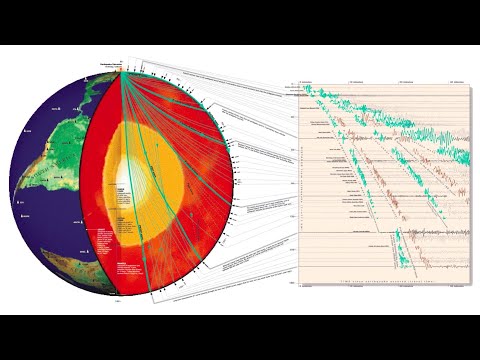
Refraction seismology is all about using waves—specifically seismic waves—to get a peek at what’s underground. When an earthquake occurs or when we create artificial vibrations (like blasting or hammering), these waves travel through different layers of the Earth. Depending on how they move and change direction, scientists can infer a lot about the geological features present.
Recent advancements in this field have made things even better! One significant leap is in data collection technology. Nowadays, researchers use high-resolution sensors that are super sensitive to ground motion. Imagine those old flip phones compared to today’s smartphones; the difference in quality and capability is huge!
Another exciting twist comes from machine learning. Yes, seriously! By applying algorithms to collected data, scientists can identify patterns much faster than before. It’s like having a personal assistant who knows exactly what you’re looking for—no more sifting through mountains of data by hand!
And get this: 3D modeling has also taken off recently! Using new software tools, researchers can create detailed 3D images of subsurface structures. Picture it like rendering a video game—but instead of landscapes and characters, it’s all about rocks and minerals below us.
You might wonder why this matters. Well, understanding Earth’s structure helps us with everything from finding natural resources to predicting earthquakes better. That means safer buildings and roads for everyone—that’s pretty cool!
Also, let’s not forget about environmental applications. Refraction seismology plays a role in assessing where groundwater is located. Think back to summers spent running through sprinklers; maintaining water sources is key for agriculture as well.
To sum up:
- Refraction seismology: Understanding underground structures with seismic waves.
- Data collection tech: High-tech sensors provide clearer readings.
- Machine Learning: Algorithms speed up pattern recognition.
- 3D Modeling: Creates detailed images of what’s beneath the surface.
- Real-world impact: Helps predict earthquakes and manage resources like groundwater.
So next time you feel an earthquake rumble or see construction around you, remember that scientists are using some pretty advanced techniques to understand our planet better—and they’re constantly pushing boundaries! Who knows what other mysteries we’ll uncover beneath our feet?
Advancements in Refraction Seismology: A Comprehensive Guide to Earth Studies
Refraction seismology is a fascinating branch of geophysics that helps us understand what’s going on beneath the Earth’s surface. It’s all about using seismic waves—those vibrations you feel during an earthquake—to figure out the composition and structure of the ground. Pretty cool, right?
So, how does it work? Basically, seismologists send waves into the ground and measure how they bounce back after hitting different materials. This is where refraction comes into play. When these waves pass through different layers of soil, rock, or water, they change direction based on their speed—a bit like swimming from shallow to deep water. The denser the material, the faster those waves travel.
Recent advancements in this field have made it more accurate and efficient than ever before. For instance:
- Improved technology: Modern equipment allows for higher resolution data collection. Think about how much your smartphone has changed over the years—it’s similar here!
- Advanced data analysis: With powerful algorithms and software tools, scientists can interpret complex data more easily. Imagine solving a puzzle with a clearer picture of what each piece looks like.
- Field techniques: New methods for deploying sensors mean studies can be done in more challenging terrains than before—like rocky mountains or swampy areas.
Let me tell you about my friend who’s a geologist. She was part of a team studying an area prone to landslides using these innovations. They were able to identify weak layers deep underground that posed risks—pretty important stuff if you’re living near those hills! This wouldn’t have been as easy a few years back when technology was more limited.
Another exciting development is in using machine learning. By training computers to recognize patterns in seismic wave data, researchers can spot anomalies faster than humans ever could alone. It’s like having an assistant who never gets tired!
Plus, there’s growing interest from industries outside geosciences too! For example, construction companies are intrigued by refraction seismology for ensuring solid foundations—after all, nobody wants their building going down like a house of cards.
In short, advancements in refraction seismology are pushing our understanding of Earth’s hidden secrets further than we thought possible. Each step forward opens up new avenues for exploration and safety—as well as just plain curiosity! And isn’t that what science is all about?
Comprehensive Guide to the Seismic Reflection Method: Downloadable PDF Resource for Earth Science Applications
The seismic reflection method is like a kind of listening device for the Earth. It helps geoscientists figure out what’s happening below the surface, kind of like peeking under your bed to see if there are monsters, right? But instead of monsters, they’re looking for things like rock layers, oil, or water.
So here’s how it works in simple terms. Scientists send sound waves into the ground using special equipment called **geophones** and **vibrators**. These waves travel through the Earth and bounce back when they hit different layers of rocks or other materials. When they come back, they create a sort of audio picture that tells us what’s down there.
Now, why should we care about this? Well, it has huge applications in **earth sciences**, especially in **oil and gas exploration**. Imagine you’re trying to find treasure buried in your backyard without digging everywhere. The seismic reflection method helps do just that but on a much larger scale!
Key points about seismic reflection include:
One time I watched a documentary where scientists used this method to find water sources in drought-stricken areas. They could pinpoint underground reservoirs that were otherwise invisible! That’s pretty cool when you think about people getting access to fresh water because of some clever sound waves bouncing around underground.
However, it’s not always perfect. Sometimes rocky or complex geological structures can mess with how those waves bounce back. It’s like trying to hear someone speak in a crowded room—it can get pretty noisy! Geoscientists have to use their expertise to sift through all that data and make sense of it.
So if you’re ever thinking about studying Earth sciences or just curious about what’s beneath your feet, knowing about seismic reflection is definitely worth your time! You know? It opens up so many fascinating avenues for research and exploration—like “what’s hiding down there?” That’s the exciting part!
In essence, the seismic reflection method is crucial for understanding our planet better and finding necessary resources with minimal environmental disruption. It connects us more deeply with what lies beneath the surface while helping us make wiser choices for future generations.
So, let’s chat about refraction seismology for a minute. You know, that whole thing where scientists use seismic waves to figure out what’s going on beneath the Earth’s surface? It’s pretty cool when you think about it! Imagine you’re at the beach, and you’re watching waves crash. Now, picture those waves traveling not just through water but through different layers of our planet—like rocks and soils. That’s basically what these geologists are doing!
Now, refraction seismology has come a long way. I remember listening to a professor talk about this stuff back in school, and he lit up when he described how innovations in technology were leading to more precise measurements. Like, one time he shared this story about using state-of-the-art gadgets to pinpoint underground resources—it’s not just all science fiction; it’s happening right now!
What happens is that researchers use sensors called geophones or accelerometers that pick up on vibrations created by waves, bouncing off different materials underground. This helps them map things like groundwater or oil reserves without digging massive holes everywhere. Honestly, it’s almost like playing a game of hide and seek with the Earth! Sometimes they even use things like explosions or machinery to create those seismic waves.
But then there’s the complexity of interpreting the data they gather. You could put fancy computer algorithms in place that can analyze patterns within seismic wave data. Seriously, it’s almost magical how much info they can pull out from little vibrations!
And here’s where it gets even cooler: new innovations are happening at breakneck speed! Advances in computing power and machine learning are giving scientists tools that help them make sense of all this data faster than ever before. Just think—what used to take months now can sometimes be done almost in real-time! It changes everything about how we study earthquakes or even locate resources beneath us.
What gets me is the connection between all this tech and understanding our planet better. For instance, during natural disasters like earthquakes or tsunamis, having quick access to reliable data could save lives. Each innovation has a ripple effect (pun intended!) on disaster preparedness.
So yeah, as I reflect on these innovations in refraction seismology, I realize it really illustrates humanity’s quest for knowledge. From ancient times when we first gazed at stars to today’s cutting-edge technology peering into our Earth’s depths—it shows how curious we are as a species! Isn’t that just something special?