So, picture this: you’re lounging at home, scrolling through your phone, when suddenly you realize your electricity bill is higher than your rent. Ouch! You know that feeling?
Well, what if I told you there’s a way to cut those costs and do something good for the planet at the same time? Seriously!
Renewable energy is like that superhero we all need—sunshine and wind saving the day! Imagine swapping your traditional energy sources for solar panels or wind turbines. Sounds cool, right?
Let’s chat about how you can turn your house into a sustainable home without breaking the bank or your back. It’s easier than you might think!
Exploring the Feasibility of 100% Solar-Powered Homes: A Scientific Perspective
So, solar-powered homes are a hot topic these days, right? With the world aiming for greener energy solutions, it’s like everyone’s trying to figure out if we can go full-on solar. But is it really possible to run a house entirely on solar energy? Let’s dig into this.
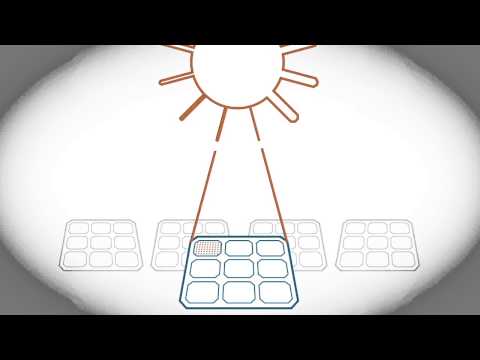
First off, let’s talk about **what solar power really is**. Basically, it’s energy that comes from the sun. Solar panels capture sunlight and convert it into electricity. It’s pretty cool how just using the rays from that big ball of fire up there can power your fridge, lights, and devices. And what’s even cooler? When you generate more power than you need during sunny days, you can often send that excess back to the grid. It’s like sharing your leftovers!
Now, if you’re thinking about going 100% solar, here are some key points to consider:
- Location Matters: The amount of sunlight you get can vary widely depending on where you live. States like California get tons of sunshine all year round compared to places with heavy cloud cover.
- Roof Space: You need enough space for those solar panels! If your roof is small or shaded by trees or buildings, then maybe you’re gonna struggle a bit more.
- Energy Storage: This part’s crucial! You’ll want batteries (like lithium-ion ones) to store energy for when the sun isn’t shining. That way, when it’s raining outside and dinner time rolls around, you’re not left in the dark.
- Efficiency of Panels: Solar panel technology keeps getting better. Most common panels convert around 15-20% of sunlight into electricity. There are some fancy ones out there that can do even better!
- System Size: The size of your system should match your energy needs. Take a good look at your electric bills—how much do you usually use? From there, you can figure out how many panels you’ll need.
When I think about this whole concept of living in a fully solar-powered home, I remember visiting my cousin in Arizona last summer. She bought one of those snazzy systems and her electricity bill dropped like a rock! It was super sunny every day; she told me she was practically generating energy on her own! That got me thinking about how feasible it might be in other areas too.
But here’s where things get tricky: **initial costs** can be high when setting up a full solar system—like thousands of dollars high! However, over time, savings on electric bills often cover these initial expenses if conditions are right.
You also cannot ignore environmental factors: while solar power is much cleaner than fossil fuels and helps fight climate change significantly, producing solar panels does come with some environmental impact—like mining materials and waste management.
So would I say every home could totally run on just sun power alone? Well… it’s not as simple as waving a magic wand! With perfect conditions—ideal location full-on sunshine all year round and good battery systems—it might work for many setups over time. But achieving that everywhere? That’s another story altogether.
In short: yes! Aiming for homes fully powered by renewable energy sounds fantastic but achieving it relies heavily on local circumstances and technology advances. You see what I’m saying? It’s totally doable for some—but an uphill battle for others depending on where they stand!
There are still some hurdles to jump over as society pushes toward sustainability goals but isn’t that exciting? After all progress has always been worth pursuing!
Unlocking Free Energy: Sustainable Solutions for Powering Your Home
There’s something magical about the idea of generating your own energy at home, right? You can literally harness the power of nature. Now, before we dive into it, let’s clarify what we mean by “free energy.” It’s not some sci-fi fantasy, but rather **renewable energy** sources like solar, wind, and hydro that help us reduce our dependence on fossil fuels. Pretty cool!
Solar Energy is a big player in the sustainable scene. Imagine your house sporting some sleek solar panels on the roof, soaking up sunlight all day long. Those panels convert sunlight into electricity through a process called **photovoltaics**. When the sun shines (which it does a lot), you can generate power without burning any fuel or emitting any nasty stuff into the air. Plus, if you produce more than you need, you can sell that extra energy back to the grid! So basically, your house could be helping out your community too.
Then there’s wind energy. If you live in an area where the wind has a habit of whipping around like it’s got somewhere to be, then this could be for you. Think of a small wind turbine that fits in your yard or rooftop. These turbines turn the kinetic energy from wind into electricity—it’s like having an outdoor fan that makes your lights turn on instead of just blowing hot air around!
Hydropower is another fascinating option but might not be as common for residential setups unless you’re lucky enough to have a stream or river nearby. Basically, it works by directing water flow through a turbine to generate electricity. Kind of genius when you think about it!
However, these are not just magical solutions appearing out of nowhere; they come with their own sets of challenges too. For instance:
- The initial cost can feel steep—buying solar panels or a wind turbine isn’t exactly pocket change.
- Not every home is situated perfectly for these technologies; sometimes location matters more than you’d think.
- Energy storage solutions are crucial if you’re going off-grid—like batteries that store excess energy so you can use it when those sunny days aren’t around.
You know what else is super exciting? The idea of combining these technologies! A hybrid system could use both solar and wind together to make sure you’re generating energy no matter what Mother Nature throws at ya.
I remember my neighbor installed solar panels last summer while I was obsessively watering my plants during an otherwise dry spell (which was way too hot!). He basically got his electricity bill to zero—it made me feel kind of envious watching him sipping iced tea while I was sweating over my little garden patch! But seeing his success really drove home how viable sustainable options can be.
So yeah, unlocking free energy through sustainable solutions isn’t just about saving money; it’s also about reducing our carbon footprint and creating a healthier planet for everyone. Plus, there’s something empowering about taking control of your own power supply—you literally become part of the solution!
10 Renewable Resources You Can Easily Utilize at Home: A Scientific Perspective
Sure, let’s talk about renewable resources you can easily tap into at home. It’s all about living sustainably while keeping that connection to the world around us, right? You’ll see that using these resources not only helps the environment but can also save you some cash in the long run. Here’s a rundown of some cool options.
1. Solar Energy
So, like, solar panels are a biggie here. They soak up sunlight and turn it into electricity. Even if you can’t install panels on your roof, simple things like solar garden lights or small solar chargers for devices can make a difference.
2. Wind Energy
You don’t need a giant wind farm in your backyard to harness wind energy! Small wind turbines are available for residential use. They’re perfect for generating power even in breezy areas—just think of those windy days!
3. Rainwater Harvesting
Collecting rainwater is such an easy thing to do! You can set up barrels under your gutters to catch rainwater for watering plants or flushing toilets. It helps save drinkable water for when we really need it.
4. Geothermal Heating
Okay, this one’s cool but might sound a bit complex at first glance. Basically, geothermal systems use the earth’s stable underground temperature to heat or cool your home. Like, you dig down a bit and use pipes to exchange heat with the ground!
5. Biomass
Biomass is stuff like wood scraps, food leftovers, or garden waste that you can turn into energy or compost! Burning wood in an efficient stove provides heat while composting food scraps gives nutrients back to the soil!
6. Sustainable Gardening
You can grow your own fruits and veggies right at home! Not only do they taste better (trust me), but by planting native species or using permaculture techniques, you help support local ecosystems.
7. Windbreaks and Shade Trees
Planting trees around your home provides natural shade and wind protection which helps reduce heating and cooling needs during different seasons. Plus, they give your space some beautification—win-win!
8. Gray Water Systems
This might sound fancy but gray water is just used water from sinks, showers, and laundry (no toilet stuff!). With a gray water recycling system, you can reuse that water for irrigation.
9. Insulation Materials
Using renewable insulation materials made from sheep’s wool or recycled denim instead of conventional materials helps keep heating costs down while making your home cozier—who doesn’t love that?
10. Food Preservation Techniques
Think about methods like pickling or drying fruits and veggies at home instead of tossing them out when they start looking sad! This cuts down on waste and keeps food around longer.
These are just some neat ways to utilize renewable resources right at home! It’s all about being mindful of how we live our lives day-to-day while showing Mother Nature some love too—you know? Every little step counts toward a more sustainable lifestyle!
So, let’s talk about renewable energy for homes, shall we? I mean, it’s pretty cool how many options we have these days. You’ve got solar panels soaking up the sun’s rays, wind turbines catching breezes, and even geothermal systems tapping into the Earth’s heat. It’s like nature is handing us a bunch of tools to help us live a bit greener.
You know what really gets me? I remember this time when my friend decided to go full-on eco-warrior with his house. He put solar panels on his roof and even made some changes inside to save energy. At first, it seemed like a daunting task—like a whole big project—but then he showed me how easy it can be. He was so pumped about reducing his electricity bill! It made me think: how many small steps can we take that not only help our wallets but are better for the planet?
Now, renewable energy isn’t just about feeling good; it’s practical, too. Using these sources means we’re not relying on fossil fuels that are getting scarcer and contributing to climate change. It gives us a kind of independence from those unpredictable price hikes we keep hearing about in the news.
But hold up! Switching to renewable energy does come with its own hurdles. For one, there’s the upfront cost—those solar panels aren’t exactly pocket change right away. Plus, sometimes you need space or local regulations might get in the way. But here’s where things get interesting: many governments offer incentives and rebates to make these technologies more accessible.
And here’s another thought—imagine if our homes could generate their own energy? Like having your little power plant! That would not only lower bills but could even allow you to sell excess energy back to the grid. How awesome would that be?
In the end, harnessing renewable energy isn’t just a trend; it’s becoming part of our new reality for sustainable living. So yeah, whether you want to make your home eco-friendly or just curious about what all this buzz is about—it all points towards creating a brighter future for everyone involved. Because every little step counts; it really does!