You know that feeling when you take a deep breath after a long day? Like, finally, some relief? Well, breathing is way more fascinating than it seems. Seriously! It’s like this super complex dance happening in your body.
Imagine this: you’re running late for a meeting, and your heart’s racing. What do you do? Inhale deeply, right? That’s your body kicking into gear. But here’s the kicker—most of us don’t really think about how our breathing works. We just do it!
So, let’s unravel the mystery behind breathing anatomy and physiology together. It might sound dry at first, but trust me, it’s all about life itself! You’ll see how every tiny part plays a huge role in keeping us alive and kicking. Ready for this wild ride through your lungs?
Understanding Respiration: A Scientific Exploration of the Breathing Process
So, let’s chat about something we all do every second of our lives but rarely think about: breathing. Yeah, just breathing! It might seem simple, but the process of respiration is a fascinating dance between our body and the environment.
At its core, respiration is about exchanging gases—specifically, oxygen (O2) and carbon dioxide (CO2). When you breathe in, you’re taking in oxygen which your body needs to create energy. And when you breathe out? That’s your body saying goodbye to carbon dioxide, a waste product from that energy production. Pretty neat, right?
The anatomy of breathing involves several key players. First up is the diaphragm, a muscle located just below your lungs. When it contracts, it pulls downward, creating more space in your chest cavity. This drop in pressure allows air to rush in through your mouth or nose and fill your lungs. You can almost picture it like a big balloon inflating!
Then there are the alveoli, tiny air sacs at the end of small passages in your lungs called bronchioles. Alveoli are where the magic happens; they’re surrounded by tiny blood vessels called capillaries. This is where oxygen passes into the blood while carbon dioxide moves from the blood into the alveoli to be expelled when you exhale.
You might be wondering how all this is controlled? Well, there’s this cool part of your brain called the medulla oblongata. It keeps an eye on levels of oxygen and carbon dioxide in your blood and kicks things into gear if something’s off. If you’ve ever found yourself panting after running a bit too fast, that’s medulla doing its job!
- Breathe in: Oxygen enters your lungs.
- Breathe out: Carbon dioxide leaves your body.
- The role of muscles: Diaphragm contracts for inhalation.
- Aveoli exchange gases: Oxygen goes into blood; carbon dioxide goes out.
- Nervous system control: Medulla monitors gas levels.
A little side note: Ever had that moment when you feel really anxious and suddenly you’re hyper-aware of how fast you’re breathing? That can actually be traced back to how respiration interacts with our emotions! Your brain can signal for faster or slower breaths based on what you’re feeling—stress equals quicker breaths while relaxation often results in deeper ones.
The respiratory system doesn’t just deal with gas exchange; it also helps us talk and smell! When you speak or sing, air moves through your vocal cords located in your larynx (or voice box), producing sound waves that let people hear you. Pretty wild that such an automatic process makes communication possible!
If you’ve ever taken a big whiff of something delicious—or maybe not so delicious—you’ve used the olfactory receptors right up there in your nasal cavity. They help us detect different smells by connecting directly with our brain to trigger those yummy or sometimes gross reactions.
A fun fact? The average person breathes about 12 to 20 times per minute. That means if you’re awake for around 16 hours a day, you’ll take over 17 thousand breaths every single day! Think about all that work happening invisibly while we go about life.
The next time you take a deep breath—whether it’s because you’re relaxing or trying to calm those pre-test jitters—remember all this amazing stuff happening behind the scenes! Each breath connects you with not just oxygen but also an intricate system that keeps everything running smoothly inside you. Wow!
Exploring the Science of Breathing: Mechanisms and Physiology Behind Respiratory Function
So, let’s chat about breathing. It’s something we do all the time without even thinking about it, right? But there’s actually a lot of science behind this simple act. Breathing is like the body’s way of saying, “Hey, I need oxygen!” It’s all about getting that fresh air in to keep us going.
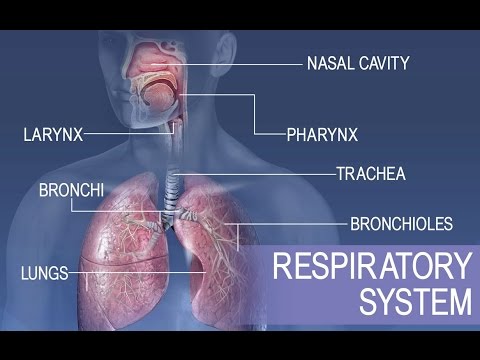
First off, when we breathe in, air travels through our nose or mouth and down into our lungs. This is where the **anatomy** part kicks in. The air goes through tubes called *trachea* and *bronchi*, which then branch out like little tree limbs into smaller tubes called *bronchioles*. These tiny tubes lead to tiny sacs called *alveoli*, where the magic happens.
Now, here comes the cool part: once the air hits those alveoli, **oxygen** from the air passes through their thin walls into your blood. At the same time, your blood gives up something it doesn’t need anymore: carbon dioxide. That stuff? It’s a waste product from when our cells use oxygen for energy. This whole exchange between oxygen and carbon dioxide is what keeps our bodies running smoothly.
Breathing is controlled by muscles too. Ever heard of the diaphragm? It’s this big sheet of muscle that sits beneath your lungs. When you inhale, your diaphragm contracts and moves downwards. This makes more space in your chest cavity for air to rush in—simple physics! When you exhale, it relaxes and pushes that air back out again.
But wait—there’s more! Your brain also plays a starring role here. It has special centers that monitor how much oxygen you need at any given moment based on stuff like physical activity or even emotions. Feeling stressed? Your breathing might speed up without you even realizing it!
And if you’re wondering why some folks can hold their breath longer than others—well, it ties back to how efficiently they can use their lung capacity and how trained their bodies are to deal with carbon dioxide buildup.
Breathing isn’t just about survival; it plays a role in all sorts of bodily functions too:
So next time you’re taking a deep breath or feeling out of breath after running up stairs, just remember all these amazing mechanisms working behind the scenes! Breathing might seem basic but it’s truly an incredible physiological process that keeps us alive every single day!
Step-by-Step Guide to Creating a Comprehensive Project on the Respiratory System in Science
Alright, so you’re looking to create a project on the respiratory system? That’s super cool! The respiratory system is vital for us, and diving into it can be really rewarding. Let’s break things down, step by step, to make it easier.
First off, you need a solid foundation. Start with understanding what the respiratory system does. Its main job is to bring in oxygen and remove carbon dioxide. This happens mainly through structures like the nose, trachea, lungs, and diaphragm. You know? It’s like a well-oiled machine working together.
Your project should focus on several key areas:
- Anatomy: Describe the parts of the respiratory system in detail. Talk about how air enters through the nose or mouth, travels down the trachea, and reaches the lungs.
- Physiology: Explain how gas exchange works in the alveoli of the lungs—tiny sacs that grab oxygen from inhaled air and release carbon dioxide back into the bloodstream.
- Breathing Mechanism: Discuss how we breathe. It all starts with our diaphragm contracting and expanding our lungs like balloons.
- Common Diseases: Mention conditions like asthma or bronchitis that can affect breathing. Share facts or stats about their impact on people’s lives.
Now let’s talk visuals! Incorporate diagrams showing these structures. Maybe draw an outline of the respiratory pathway? Visual aids help people grasp complex processes better than just text alone—trust me on that!
If you’re up for it, think about making a model. You could use materials like balloons to show how lungs work or even construct a simple diagram with recycled materials. I remember once building a lung model out of plastic bottles—it was kind of messy but totally fun!
The next step is communication. When sharing your findings, explain things in simple terms and avoid jargon as much as possible—really try to connect with your audience! You could even create a short presentation or write an informative article for a science blog; those are great ways to spread knowledge.
Dive into your research too! Use reputable sources; look at scientific websites or journals for accurate information. If you’re struggling to find stuff online, checking out local library resources could also be helpful!
If there’s time left at the end of your project creation journey, think about engaging activities. Could you organize a Q&A session or set up an experiment? Like blowing up balloons while explaining lung capacity—it’s interactive and keeps folks engaged!
The final touch? Always conclude with what you’ve learned and why it’s significant! Maybe emphasize how understanding our respiratory system can lead to healthier lifestyle choices—like quitting smoking or practicing good hygiene during cold season.
This whole process isn’t just about gathering facts; it’s about nurturing curiosity and sparking interest in science among others! As I said before, creating this project can be super rewarding—but make sure you have fun while doing it!
You know, breathing is one of those things we just do without thinking, right? But there’s a whole lot going on behind the scenes every time we take a breath. Like, have you ever sat quietly and paid attention to your breathing? It’s kind of mesmerizing! I remember sitting in my backyard one summer evening, listening to the world around me while focusing on my breath. It was calming, and I realized how amazing our bodies really are.
Let’s break it down a little bit. When you inhale, air rushes into your lungs—like inviting fresh guests into a party. The air travels through your nose or mouth, down the trachea (that’s just a fancy word for your windpipe), and then it splits off into two smaller tubes called bronchi. These lead to each lung. Think of it as branching out like a tree—you’ve got that sturdy trunk and then all these little branches where the leaves hang out.
Once the air reaches those tiny branches called bronchioles, it finally approaches these even tinier sacs called alveoli. Here’s where the magic happens! The alveoli are like little balloons that fill up with oxygen-rich air. They’re surrounded by capillaries—tiny blood vessels—where oxygen swaps places with carbon dioxide like an everyday deal: you give what you don’t need (carbon dioxide), and in return, you get what keeps you going (oxygen). Pretty cool concept if you think about it!
But why should this matter beyond just knowing how to breathe? Well, for starters, understanding how our respiratory system works can really make people appreciate their own bodies more. When we talk about science outreach, making these connections can inspire folks to take better care of themselves—and maybe even spark interest in health education or careers in healthcare.
And here’s another thing: emphasizing breathing techniques can help with stress management and mindfulness. You might have heard about deep-breathing exercises; they play off this whole process perfectly! It’s amazing how something so fundamental can also serve as a tool for mental clarity and relaxation.
So yeah, while we’re all busy rushing through life—literally sometimes—it might be worth taking a breather now and then to appreciate what our anatomy does for us every moment of every day. Understanding breathing is more than just science; it’s about connecting with ourselves and encouraging others to do the same. What an intersection of biology and humanity!