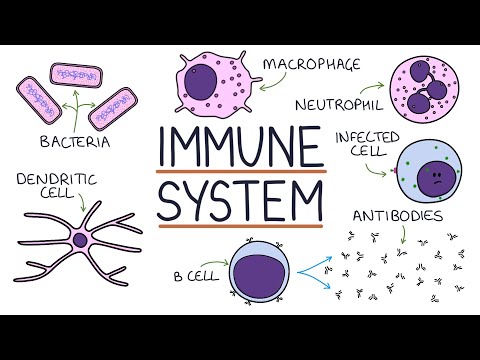
You know what’s kind of insane? Your body is like a fortress, and it never gets a day off. Seriously! It’s always on guard, fighting off invaders like some superhero squad.
Think about the last time you caught a cold. It felt like your body was in an all-out battle, right? That’s your immune system kicking into action, taking no prisoners!
But here’s the deal: most of us don’t really know how this superhero team works. Like, what are all these tiny soldiers doing in our bodies?
Let’s pull back the curtain and take a fun peek at the anatomy and physiology of our immune system! We’ll break it down without getting too nerdy so you can actually follow along. Sound cool? Cool!
Exploring the Immune System: Key Concepts in Anatomy and Physiology
So, let’s chat about your immune system. You know, that amazing network inside you that’s always on guard, fighting off germs and keeping you healthy. It’s a big deal! Basically, the immune system is like your body’s defense army.
First off, anatomy. The immune system isn’t just one thing; it’s made up of various parts working together. Think of it like a team sport where each player has a specific role to fill. Here are some key components:
- White blood cells (WBCs): These are the soldiers. They patrol your body looking for invaders like bacteria and viruses.
- Lymphatic system: This is like the highway for immune cells. It helps transport WBCs through lymph nodes, where they can pick up intel about infections.
- Spleen: This organ acts as a filter for blood. It removes old or damaged blood cells and helps produce WBCs.
- Bone marrow: This is where all those blood cells start their lives! It produces not just WBCs but also red blood cells and platelets.
- Thymus: Ever heard of T-cells? They’re super important for your immune response, and they mature in the thymus gland.
Now let’s get into physiology, which is all about how these parts work together to protect you. When a germ shows up, here’s what goes down:
Your body first detects the threat through special receptors that recognize foreign invaders. White blood cells get triggered to jump into action! There are two main responses: innate immunity and adaptive immunity.
- Innate immunity: This is your body’s first line of defense. It’s quick but not specific—think skin barriers or mucous membranes trapping bad stuff before it can cause trouble.
- Adaptive immunity: This kicks in when innate defenses aren’t enough. It’s slower but smarter because it adapts to specific pathogens over time. That’s why vaccines work—they train your immune memory!
A little story here: I remember when I got my flu shot last year; I felt a bit sore afterward, which made me think—“Is this supposed to hurt?” Turns out that little soreness means my body was gearing up its defenses! Pretty cool, right?
The thing is, while this immune response is fantastic at fighting infections, sometimes it can go haywire. Allergies happen when your body mistakenly thinks harmless substances, like pollen or peanuts, are threats. You end up with sneezing or worse—your body overreacting!
You see? The immune system is kind of like having a superpower but with some quirks! We rely on it every day without even thinking about it—it fights off nasty bugs while we go about our lives.
If you’ve ever caught a cold after being around sick people, that was your immune system at work attempting to figure out how to kick out those germs from within you. And even though we might hate getting sick now and then, our body’s reaction shows how sophisticated and crucial our immune response really is!
This whole thing might feel overwhelming at times since there’s so much going on under the surface of our bodies—all those microscopic battles happening just for us to feel normal day-to-day! But knowing how these systems work can really give you an appreciation for what goes on within us all the time.
Exploring the 7 Key Components of the Immune System: Insights from Immunology
Sure, let’s break down the immune system, which is like our body’s very own superhero squad. Seriously, it’s amazing how it all works together to keep us healthy. So, here are the 7 key components that play a huge role in immunology.
White Blood Cells (WBCs)
These little warriors are like the frontline troops of your immune system. There are several types, but let’s focus on two main ones: lymphocytes and phagocytes. Lymphocytes, such as B cells and T cells, recognize specific invaders. Phagocytes gobble up bad guys like bacteria and viruses. Imagine having an army ready to fight off any intruder!
Lymphatic System
Think of this as the highways for your immune cells. The lymphatic vessels carry lymph fluid throughout your body. Lymph nodes act like checkpoints where cells can gather information and activate defenses against infections. It’s where those WBCs get smart about what they’re up against.
Bone Marrow
This is the factory where most blood cells are produced, including those important white blood cells. Bone marrow also creates stem cells that can become different types of blood cells later on. It’s like a production line for your immunity!
Spleen
The spleen filters blood and helps recycle iron from old red blood cells. But it’s also a key player in fighting infections! The spleen has areas filled with WBCs that react fast when they spot trouble in your bloodstream.
Thymus
Located just above your heart, the thymus is where T cells mature and learn how to recognize harmful invaders while ignoring harmless ones—like those tasty crumbs you spill on your shirt! If you think about it, every superhero needs training before going into battle.
Cytokines
These are like little messengers in your body. Cytokines help regulate immunity by sending signals between cells during an immune response. They can tell other immune cells to ramp up action or calm down when things get too crazy—a bit like a coach calling plays during a game.
Antibodies
These are proteins made by B cells that specifically target pathogens—like a lock-and-key system! When an antibody binds to a virus or bacteria, it marks it for destruction or neutralizes its harmful effects. They’re basically the blueprints of how to recognize foes.
So there you have it! Each of these components plays its part in keeping us safe from illness and infection. It’s all about collaboration; without one piece, things might not work so smoothly—or at all! Definitely makes you appreciate how cool our bodies really are while keeping everything under control!
Scientifically Proven Strategies to Enhance Your Immune System: A Comprehensive Guide
The immune system is a fascinating part of our body. Seriously, it’s like a superhero team that protects us from all sorts of nasty invaders, like bacteria and viruses. Understanding how to boost this system can really help keep you feeling your best. So let’s break down some scientifically backed strategies to enhance your immune system.
Nutrition is Key
What you eat plays a major role in how well your immune system functions. Think of it as fuel for your superhero team. A diet rich in fruits and vegetables gives you the vitamins and minerals necessary for your body to thrive.
- Vitamin C: Found in citrus fruits, strawberries, and bell peppers, this vitamin helps produce antibodies.
- Zinc: You’ll find this in nuts and lean meats; it’s crucial for immune cell function.
- Probiotics: Foods like yogurt can boost gut health; since a large part of our immune system is in the gut.
Oh man, I remember when I started adding more veggies to my meals. At first, I was like “ugh,” but then I actually felt more energetic. It makes a difference!
Stay Active
Regular exercise isn’t just about staying fit; it literally helps your immunity! Moderate activities like walking or cycling can increase circulation and help cells move through the bloodstream more efficiently.
And here’s something cool: just 30 minutes of moderate exercise can reduce inflammation! You know when you’re feeling sluggish? A little movement might be all you need to perk up!
Sleep Matters
Getting enough sleep is super important too. Your body does its repair work while you’re snoozing away at night. Poor sleep can negatively affect the production of cytokines, which are crucial for fighting infections.
I once pulled an all-nighter studying for exams, and wow—I paid for it later with cold after cold that season! Seriously, try getting those cozy eight hours whenever you can.
Manage Stress
Stress isn’t just a mental thing; it can physically affect your body too! Chronic stress releases cortisol, which can suppress the immune response. Finding ways to chill out is vital.
Whether it’s yoga, meditation, or just hanging out with friends—make time for what makes you relax! I’ve found that even taking short breaks during busy days helps keep stress levels manageable.
Avoid Smoking and Limit Alcohol
Both smoking and excessive drinking are bad news for your immune system. Smoking damages lung cells and makes them less able to defend against infections. Drinking too much alcohol can impair the function of white blood cells—your body’s fight against illness.
There are so many healthier choices out there instead! How about swapping that drink with water or herbal tea?
In summary, boosting your immune system isn’t rocket science; it’s more about lifestyle choices than anything else! Eating right, staying active, sleeping enough, managing stress levels—these things matter a ton in helping keep those pesky germs at bay.
If we treat our bodies well now with these little day-to-day markers of good health? We set ourselves up for much smoother sailing down the road. So go ahead—give those strategies a shot!
So, let’s chat about your immune system. I mean, it’s like the body’s own superhero squad working 24/7 to keep you safe from all those nasty germs and viruses out there. Seriously, it does a lot of heavy lifting that most of us don’t even think about—until we get sick, right?
Imagine this: You’re at a party, hanging out with friends, and suddenly somebody sneezes across the room. Your first thought is probably “ugh.” But what’s really happening? Your immune system is basically gearing up for action. It has these awesome cells called white blood cells that patrol your body like tiny soldiers. When they spot intruders, they spring into action!
Now, here’s where it gets cool—your immune system isn’t just one thing; it’s a whole network! You’ve got organs like the spleen and thymus playing key roles. The spleen filters your blood and helps get rid of old red blood cells while also producing lymphocytes—those are a type of white blood cell that fights off infections. The thymus is where some immune cells learn to become T-cells—like the elite troops in your body’s defense army.
What I find pretty wild is how our immune system has a memory. That means once it battles a particular germ, it can remember it for next time. So when you catch chickenpox as a kid, your immune system learns how to fight it off later on without you even realizing.
But that doesn’t mean it’s invincible! There are times when things go haywire—a little too much adrenaline in battle can lead to allergies or autoimmune diseases where the immune system ends up attacking healthy tissues instead of just intruders. Yikes!
Reflecting on my own experience with getting sick makes me appreciate my immune system so much more. I remember this one time I caught a cold during finals week—snot everywhere while trying to cram for exams was no fun! Yet, even in those miserable moments, knowing my body was fighting back made me feel a bit better.
The thing is, understanding how our immune system works isn’t just fascinating; it’s empowering too! Knowing what happens under the hood gives you insights into staying healthy and taking care of yourself better. When you think about all that teamwork going on inside you—all those cells and organs working together—it really puts things into perspective.
So next time someone sneezes at a party (or anywhere), maybe take a moment to appreciate all the behind-the-scenes magic happening within you! It’s science at its finest—and honestly quite beautiful if you ask me.