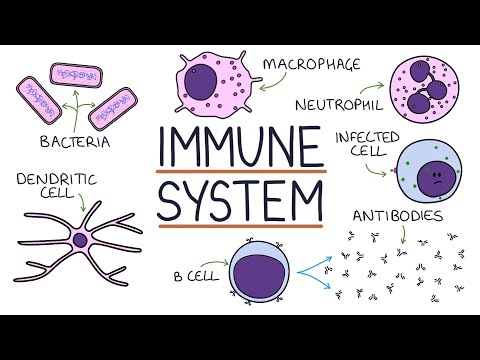
You know, when I was a kid, I thought my immune system was just like an army ready to fight off invaders. I mean, how cool is that? But it turns out it’s way more complex than just soldiers with swords!
Enter Th2 cells—these little guys are like the strategists in your immune team. They play a major role in helping you fend off allergies and infections. Yeah, it’s their job to keep you feeling good.
But here’s what’s wild: while they’re super important for your health, too many of them can cause chaos. Imagine an army that just gets too… chill, letting minor threats turn into big problems.
So hang on tight! We’re diving into the world of Th2 cells and what makes them tick. You’re going to love this journey into your body’s hidden heroes!
The Role of Th2 Cells in Immunity: Insights into Allergic Responses and Pathogen Defense
The immune system is a bit like a superhero team, right? And among these heroes, you’ve got your Th2 cells. These are a special type of T helper cells that play crucial roles in both defending against pathogens and dealing with allergies. So, let’s break down how these tiny players make such a big impact on our health.
Th2 cells are like the strategists in the immune system. When your body senses something foreign—like allergens or parasites—they spring into action. They produce signals called cytokines that help rally other immune fighters. Specifically, they recruit **B cells** to make antibodies, which can bind to and neutralize the invaders. This teamwork is essential for fighting off infections caused by things like worms, for example.
Now here’s where it gets super interesting. Th2 cells are also heavily involved in allergic responses. When someone has allergies, their Th2 cells can get a little too excited. They might produce an overabundance of cytokines like IL-4 and IL-13. This leads to an increased production of certain antibodies called IgE, which is what causes allergic reactions—it’s your body’s way of trying to protect you from what it thinks are harmful invaders.
Imagine this: You’re outside enjoying a sunny day when suddenly you start sneezing and itching because of pollen—classic allergy moment! That’s your Th2 cells kicking into high gear, mistaking harmless pollen for something dangerous.
It doesn’t stop there; Th2 cells can also contribute to inflammation in tissues, which can cause symptoms ranging from rashes to asthma attacks. When there’s too much inflammation going on because of these overly enthusiastic Th2 cells, it may lead not just to discomfort but also chronic conditions if left unchecked.
But wait—there’s more! Th2 responses aren’t just about allergies; they have their shining moments defending against parasitic infections too! In cases like helminth infections (think worms), the body needs that Th2 response to mount an effective defense without going overboard and causing damage to itself.
So basically, while Th2 cells have this amazing ability to help fight off certain types of infections and disease states, they can also be the root cause of many allergy-related issues. It’s all about balance—you want enough activity to keep you safe but not so much that it leads to chaos in your body.
In conclusion (oops!), let me rephrase that—bottom line: understanding how Th2 cells work gives us deep insights into how our bodies handle both threats like pathogens and annoying things like pollen! And who knew that these tiny soldiers could hold such power over our well-being? Isn’t biology wild?
Key Cellular Players in the Adaptive Immune Response: Insights into Immunology
The adaptive immune response is like your body’s elite squad of defenders, working hard to protect you from pesky invaders like viruses and bacteria. One of the standout members of this squad is the Th2 cell, or T helper 2 cell, which plays a significant role in how we react to allergens and certain pathogens. Let’s break down this fascinating part of immunology.
First off, what are Th2 cells? Well, they’re a type of white blood cell that comes from something called CD4+ T cells. Think of them as the “conductors” in an orchestra, telling other immune cells when and how to respond. They are super important for fighting off parasites and play a major role when it comes to allergies.
Now, what makes Th2 cells tick? These little guys release some key signaling molecules known as cytokines. These cytokines help coordinate the immune response by calling on other cells to jump into action. For instance:
- IL-4: This one helps B cells produce antibodies, which are like targeted missiles against infections.
- IL-5: This cytokine is crucial for activating eosinophils, another type of white blood cell that helps fight parasites.
- IL-13: Similar to IL-4, it also aids in antibody production and mucous secretion.
You know that feeling when your allergies kick in? That’s partly due to Th2 cells doing their job a bit too well. When faced with harmless substances like pollen or pet dander, they can trigger an exaggerated immune response. It’s like they see a shadow and rally everyone for battle! This overreaction can lead to symptoms like sneezing or itchy eyes.
Interestingly enough, the balance between Th1 and Th2 responses matters too. Th1 cells tend to handle infections better while Th2 deals with those pesky allergens and parasites. If you have too many Th2 cells relative to Th1 ones, it can lead to allergic diseases like asthma or eczema.
So yeah, Th2 cells play a critical role not just in defending against real threats but also in shaping our health outcomes. They’re essential for maintaining balance—like trying to keep both sides happy at Thanksgiving dinner without starting a food fight! Understanding these tiny powerhouses helps researchers find better treatments for allergies and even autoimmune diseases.
In summary, the adaptive immune response wouldn’t be quite the same without our friends—the Th2 cells. Their intricate dance with cytokines helps shape our body’s defense strategies while also reminding us that sometimes, the immune system can get a bit carried away!
Autoimmune Diseases Linked to Th2 Immune Response: Insights and Implications in Immunology
Autoimmune diseases are like your body’s internal alarm system going haywire. Instead of attacking invaders like bacteria or viruses, your immune system starts to target your own healthy tissues. A big player in this story is the Th2 immune response. Let’s break it down.
First off, what are Th2 cells? They’re a type of T helper cell, which plays a critical role in orchestrating the immune response. When these cells are activated, they help produce a specific set of molecules called cytokines. These little messengers tell other immune cells what to do—kind of like a coach telling players where to go on the field.
Now, you may be asking, so why does this matter for autoimmune diseases? Well, in a nutshell, when Th2 cells become overactive or dysregulated, they can lead to problems. They tend to promote inflammation and encourage certain immune responses that can end up damaging healthy tissue.
A few autoimmune conditions are often linked with an exaggerated Th2 response:
- Asthma: This condition is fueled by inflammation in the airways. Th2 cells release cytokines that increase mucus production and attract other inflammatory cells.
- Allergic rhinitis: Also known as hay fever, it occurs when Th2 responses overreact to harmless substances like pollen or dust.
- Eosinophilic esophagitis: This is an inflammatory condition affecting the esophagus primarily driven by Th2-associated inflammation.
So here’s where things get interesting. The relationship between Th2 responses and autoimmune diseases isn’t just about too much action; it’s about balance. You see, our immune system operates on a tightrope between being protective and harmful. If there’s too much Th2 activity without enough opposing signals from other parts of the immune system (like Th1), you get chaos.
Think back to high school sports days—remember that one overly enthusiastic teammate? Their excitement could turn a friendly game of dodgeball into complete mayhem! Similarly, unchecked Th2 responses lead to flare-ups in autoimmune diseases.
The implications for treatment are significant too. Understanding how Th2 pathways work provides insights into potential therapies aimed at dampening their effects without compromising overall immunity. For example:
- Corticosteroids can reduce inflammation and suppress the overactive immune response.
- Biological therapies targeting specific cytokines produced by Th2 cells have shown promise in treating conditions like asthma.
In summary, while Th2 cells play crucial roles in fighting off parasites and allergens, their overstimulation can throw our body out of whack and lead to autoimmune issues. Research keeps evolving as scientists explore better ways to rein them in without sidelining our defenses against actual threats.
So there you have it: a glimpse into how an enthusiastic part of our immune team might sometimes switch sides. It’s all about striking that balance!
Okay, so let’s chat about Th2 cells. They kind of sound like a sci-fi character, right? But they’re actually really important when it comes to our immune system and how our bodies fight off stuff. So picture this: you’re out in the park one day, enjoying the sunshine, when suddenly you feel a sneeze coming on. Allergies kick in from pollen dancing around like it owns the place. Now, your body has this whole squad of immune cells ready to jump into action, and Th2 cells are some of the star players.
These guys are basically a specific type of helper T cell that has a big role in how we respond to allergens and parasites. They encourage other immune cells to produce antibodies and release substances that help fight off invaders. Think of them as the cheerleaders of your immune system—very enthusiastic but with a serious job.
But here’s where it gets interesting—without Th2 cells doing their thing properly, things can turn messy. You could end up with autoimmune diseases where your body mistakenly attacks itself instead of just those pesky intruders. It’s like having overenthusiastic friends who take things way too far when you just wanted to play a casual game.
A little while back, I had this experience with allergies that really opened my eyes to how these little warriors work—or sometimes don’t work! I was at a friend’s wedding; everything was beautiful but then… boom! The flowers hit me hard! I felt miserable as my body went into overdrive trying to handle something that was essentially harmless but super annoying for me. In that moment, I realized how delicate the balance is with our immune responses.
So yeah, Th2 cells are crucial for not only keeping us healthy but also making sure we don’t go overboard when faced with stuff like pollen or dust mites. It’s all about finding that sweet spot in our immune response where we can protect ourselves without going into full-on freak-out mode.
In essence, our health often hangs on these microscopic battles being fought by immune cells that do their jobs based on signals they receive from everywhere else in our bodies—like an intricate dance happening right under our noses. And honestly? Sometimes it makes you realize just how incredible and complicated our biology really is! You know what I mean?