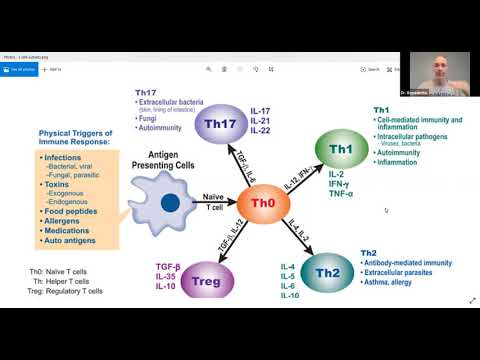
You know what’s wild? Your body has these tiny little soldiers that fight off bad guys, like viruses and bacteria. And guess what? They’re called Th1 cells. Sounds like a sci-fi movie title, right?
But seriously, these cells are like your immune system’s secret weapon. If you’ve ever had a nasty cold or felt run down after being sick, thank these guys for stepping up to the plate. It’s kinda like watching your favorite action movie where the hero comes in just when things look bleak.
So, let’s chat about Th1 cells and how they do their thing in the big ol’ world of our immune response. It’s more interesting than it sounds, I promise!
The Role of Th1 Cells in Immunity: Insights into Cellular Function and Mechanisms in Immunology
Let’s talk about Th1 cells, huh? These little guys are a specific type of T helper cells, and they play a major role in our immune system. When your body faces off against infections—like those pesky viruses or certain bacteria—Th1 cells come into action. They’re like the commanders in the immune army, directing other immune cells to combat invaders.
So, what exactly do these Th1 cells do? Basically, they produce a bunch of signaling molecules called cytokines. Think of cytokines as the messenger pigeons of your immune system. They send important signals to other immune cells to get them riled up and ready to fight! One of the key cytokines released by Th1 cells is interferon-gamma. This one’s like a superhero cape for other immune fighters—it boosts their ability to destroy infected or cancerous cells.
- Activate Macrophages: Th1 cells help activate macrophages, which are like big eaters in our body. They gobble up germs and debris!
- Enhance Cytotoxic T Cells: Th1 can also help activate cytotoxic T lymphocytes (or CTLs for short), which directly attack infected or abnormal cells.
- Promote IgG Production: These little heroes encourage B cells to produce IgG antibodies, which are super important for fighting off infections.
You might be thinking: “Okay, but why should I care about Th1?” Well, it gets interesting when you consider that not all immune responses are created equal. For instance, some infections require more than just antibodies; they need that strong cellular response that Th1 provides. If you’ve ever suffered from really nasty things like tuberculosis or certain fungal infections, you’ve felt the need for this cell type personally!
The balance between Th1 and other types of T helper cells (like Th2) is crucial too. Imagine it as a seesaw: too much emphasis on one side can lead to problems. In some cases, if there’s an imbalance favoring Th2 responses over Th1 ones—think allergies or asthma—you might end up having significant health issues.
A common scenario where this balance comes into play is during autoimmune diseases. Here’s a wild thought—if your body mistakenly thinks your own tissues are invaders? Yikes! In such cases, it can be beneficial to understand how promoter functions of Th1 can dampen those runaway responses.
And let’s not overlook how scientists are learning from these amazing little helpers too! Research involving Th1 cell dynamics is helping develop better vaccines and treatments for various diseases—from cancers to chronic infections. With every bit of knowledge gained about how they function and interact with other players in immunity, we’re getting closer to beefing up our defenses against health threats!
So remember: these unsung heroes—Th1 cells—are more than just tiny specks under a microscope; they’re pivotal players in keeping us healthy by coordinating robust responses against serious attackers!
Understanding the Three Types of T Cells: Roles and Functions in Immune Response
You know, your immune system is a bit like a superhero squad, ready to jump into action when things get rough. And at the heart of it are these cells called T cells. They come in different types, each with its own job. So, let’s break it down and look at the three main types of T cells: Helper T cells (Th), Cytotoxic T cells (Tc), and Regulatory T cells (Treg).
1. Helper T Cells (Th): Think of these guys as the commanders on the battlefield. They help activate other immune cells by releasing signaling molecules called cytokines. Within this group, you have Th1 and Th2 cells. Let’s focus on Th1 for a minute.
What are Th1 Cells? Well, Th1 cells are super important when it comes to fighting off intracellular pathogens like viruses and some bacteria. Once they’re activated—usually by an antigen presenting cell—they start releasing specific cytokines, such as interferon-gamma (IFN-γ). This stuff is crucial because it boosts the activity of other immune players.
2. Cytotoxic T Cells (Tc): These are like ninjas! Their job? To go after infected or cancerous cells that have been marked for destruction. They can directly kill cells that present foreign antigens on their surface.
3. Regulatory T Cells (Treg): Think of them as the peacekeepers in our immune society. They help maintain balance by preventing excessive responses that could lead to autoimmunity or tissue damage.
The immune response is like a dance; each type of T cell has its own rhythm but must work together to create harmony. When things go awry—like during an infection or even allergies—this dance can get out of sync.
Anecdote time! A while back, I was sick with something that felt like the flu but wasn’t quite right. You know that feeling when your body aches so much you just want to curl up in bed forever? It turned out my Th1 cells were hard at work fighting an unexpected viral invader! I’d been unknowingly exposed to something new, but my trusty Th1 squad kicked in, helping kick that bug to the curb.
The key takeaway here is how vital **Th1 Cells** are for maintaining our health by responding effectively to infections while keeping everything else in check through communication with other immune players.
This teamwork among different types of T cells shows just how complex and incredible our body’s defense systems really are!
Understanding the Functions of Th1, Th2, and Th17 Cells in Immunology
So, let’s chat about some cool stuff going on in your immune system, specifically those little warriors known as Th1, Th2, and Th17 cells. These guys are like the special forces of your immune response—each has its own job that helps keep you healthy.
Th1 Cells are like the tough guys of the immune system. Their main mission is to fight off viruses and some bacteria. They do this by producing a protein called interferon-gamma (IFN-γ). This protein basically tells other cells to ramp up their defenses against invaders. Imagine if you’re at a party, and someone shouts, “Hey! There’s a bouncer at the door!” That’s what Th1 does for your body—it gets everything ready for battle.
When your body detects an infection, Th1 cells spring into action. They help activate macrophages, which are like giant vacuum cleaners that gobble up bad stuff. This partnership is huge because it ramps up the immune response significantly. If you’ve ever had a nasty cold or the flu, you can thank these little warriors for getting things heated up in there!
Now let’s talk about Th2 Cells. These guys are a bit more on the allergen-fighting team. While Th1 cells focus on intracellular pathogens (think: viruses), Th2 cells help deal with extracellular ones—those pesky parasites and allergens that might cause sneezing or rashes. When they get activated, they release cytokines like IL-4, IL-5, and IL-13.
These cytokines help produce antibodies by stimulating B cells (the antibody factories). Think of it as calling in backup when you’re dealing with allergies or parasitic infections; they tell B cells to make antibodies that target specific invaders. However, sometimes this backup can overreact, leading to allergic reactions—which is kind of a bummer when you’re just trying to enjoy spring flowers without sneezing!
Then we have our third player in this immune drama: Th17 Cells. These guys are relatively new kids on the block but are super important too! They help protect you against fungi and some bacteria too. The thing about Th17 cells is they produce IL-17—a cytokine that drives inflammation and helps recruit other immune cells to the scene.
So picture this: if there’s an invasion happening from fungi—let’s say from eating moldy bread or being near damp places—Th17 jumps right in! They call forth neutrophils (the frontline soldiers) to come help out quickly. But here’s the catch; while inflammation is good for fighting off infections, too much can lead to problems like autoimmune diseases where your body kind of goes haywire and starts attacking itself.
Key functions:
- Th1 Cells: Best at fighting off viruses and bacteria.
- Th2 Cells: Focused on allergens and parasitic infections.
- Th17 Cells: Your go-to for fungi and inflammatory responses.
In summary, these three types of T helper cells work together but play very different roles in keeping us healthy. If one type starts acting out of line—like if Th2 gets overly excited with allergies—it can throw everything out of whack! It’s pretty wild how our bodies balance all this stuff—like running a small army full of specialized troops ready to protect us every day!
Alright, so let’s talk about Th1 cells. These little guys are like the superheroes of your immune system, working hard to protect you from infections. Imagine, if you will, a moment when you got sick—a bad cold or an annoying flu. You probably remember how your body felt off, like it was fighting an invisible battle. Well, those warriors on the front lines? They’re often Th1 cells.
So, here’s the deal: Th1 cells are a type of T helper cell that plays a crucial role in fighting off intracellular pathogens like viruses and some bacteria. They’re part of the adaptive immune response, which means that they help your body recognize and remember these pesky invaders for future encounters. Isn’t that cool?
When your body senses an infection, Th1 cells get activated by signals from other immune players. They start pumping out cytokines—basically chemical messengers that rally other immune cells to do their job more effectively. It’s like sending out invitations to an exclusive party where only the most skilled defenders show up!
But there’s more to their story. It’s not just about attacking intruders; Th1 cells also help regulate the balance of your immune response. If they go too far or aren’t kept in check—well, let’s say things can get a little messy! Autoimmune diseases can happen when your system mistakenly targets its own tissues because those Th1 cells are a bit too enthusiastic.
I remember when my friend got diagnosed with an autoimmune condition; it was heartbreaking to see her struggle with her body’s responses turning against her. Learning about how critical balance is in our immune system made me realize that it’s not just about fighting off germs but also about maintaining harmony within ourselves.
So yeah, Th1 cells might be small players in terms of size compared to all the other cellular actors involved in our immune system drama, but their role is pretty massive when it comes to keeping us healthy and functioning well—even if we sometimes take them for granted!