You know those times when you feel like your body is throwing a party, but all the wrong guests show up? Like, instead of fun friends, it’s just allergies and colds? Well, that’s kind of what happens when your immune system needs a little help.
So, there’s this gene called NOD2. Sounds like a robot sidekick, right? But it’s actually super crucial for keeping our immune system in check. It’s like the bouncer at that party I just mentioned, making sure only the right germs get through.
When NOD2 is doing its job well, your body can kick those pesky invaders to the curb—like a pro! But if things go sideways with this gene, well… let’s just say it can lead to some serious health issues. Seriously! So let’s chat about this unsung hero in our bodies and why it deserves a little spotlight.
Exploring Disease Associations with NOD2: Insights from Immunology and Genetics
So, let’s chat about this gene called NOD2, which has a pretty big role in how our immune system works. You see, NOD2 is part of our body’s defense mechanism, helping us fight off nasty germs and diseases. When it malfunctions, it can be linked to some serious health problems.
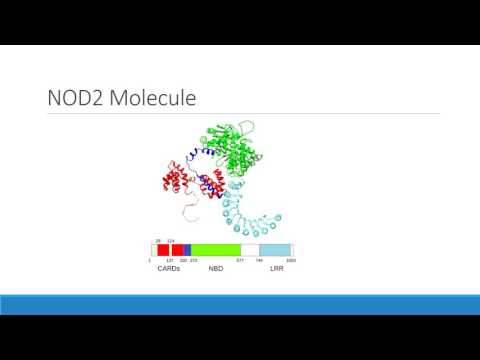
To break it down a bit more, NOD2 is what we call a pattern recognition receptor. Basically, it recognizes certain patterns that are common in pathogens—stuff like bacteria and viruses that can make you sick. When NOD2 spots these troublemakers, it sends out signals to ramp up your immune response.
Now let’s get into why this matters. Research shows that mutations in the NOD2 gene are strongly associated with diseases like Crohn’s disease and even some forms of colitis. Crohn’s disease is an inflammatory bowel condition where your digestive tract gets all kinds of inflamed and irritated. It’s no walk in the park; I remember my college buddy who struggled with it for years—imagine constant stomach pain and running to the bathroom all the time. Not fun at all!
Here’s why the connection between NOD2 and these diseases is so important:
- Disease Susceptibility: If you have certain mutations in your NOD2 gene, you may be at a greater risk for these conditions.
- Immune Response: Mutations can weaken your immune system’s ability to recognize those harmful bacteria.
- Inflammation: A faulty NOD2 means chronic inflammation, which is basically your body being on high alert all the time—even when there’s no threat.
- Microbial Balance: It plays a key role in maintaining healthy gut bacteria. A messed-up balance can lead to more health issues.
Now, what’s really cool (or maybe concerning) is how genetics tie into this whole thing. Genetic studies show that specific variations of the NOD2 gene influence how people respond to various pathogens. This means people with a certain genetic makeup might react differently when exposed to similar germs.
It’s like having a special key for unlocking doors; if your key (or gene) doesn’t fit right because of a mutation, well—you can’t open that door effectively! Your body’s defense system might leave gaps where harmful stuff sneaks through.
But it isn’t all doom and gloom! Understanding these connections helps scientists develop targeted therapies for those affected by related conditions. They could create medications that specifically target those inflammation pathways affected by faulty NOD2 genes.
In short? The relationship between NOD2, immunity, and diseases highlights just how complex—and fascinating—our bodies can be! We’re still learning about all this stuff but getting insights like these gives us hope for better treatments down the line.
So yeah, next time you hear someone mention genes or immunity, just think of how much impact something as tiny as a single gene can have on our health! It’s pretty wild when you think about it!
Understanding NOD in Immunology: Key Concepts and Implications in Immune Response
So, let’s chat about NOD2, a really cool part of our immune system. Seriously, this little guy has some big responsibilities. The NOD2 gene plays a crucial role in how our body defends itself against infections, particularly from bacteria. You know, the nasty ones that can cause all sorts of illnesses.
NOD2 is kind of like a security guard for your body’s cells. When it detects certain bacterial components, it sends out alarms to activate the immune response. Imagine your body is a castle and NOD2 is on watch duty. If invaders try to break in—like those pesky bacteria—NOD2 tells the rest of the immune system to launch a defense.
Here’s the deal: When NOD2 senses molecules called muramyl dipeptides, which are found in bacterial cell walls, it triggers inflammatory responses. This includes increasing the production of cytokines, which are basically messengers that help coordinate the immune response. So, when there’s an infection, these cytokines can ramp up inflammation to help fight off those troublesome invaders.
- Inflammatory Response: This is super important because sometimes our bodies need to create inflammation to protect themselves. But if there’s too much inflammation? That can lead to problems.
- Disease Association: When there are mutations in the NOD2 gene, it can contribute to diseases like Crohn’s disease and other inflammatory bowel diseases. It’s like your security team isn’t getting the alerts right; they miss some threats and react too strongly to others.
- Immune Regulation: Beyond just responding aggressively, NOD2 helps regulate how strong that response should be based on what it’s sensing from its environment.
I remember reading about someone who had Crohn’s disease and how their body was basically overreacting all the time due to these NOD2 mutations. They would often get into flare-ups that made them feel awful—like their body was at war with itself instead of fighting off actual infections.
This gene doesn’t work alone; it’s part of a larger family of receptors known as NOD-like receptors (NLRs). These receptors help maintain balance between attacking invaders and keeping our own tissues safe from harm. It’s like a high-stakes game where timing is everything!
In short, understanding NOD2 isn’t just key for immunologists but also for anyone interested in how we fight disease and stay healthy. The more we learn about these genes and their roles, the better we can tackle autoimmune conditions and other health issues tied to immune responses.
So next time you hear about this little gene or if you’re dealing with any health issue related to your immune system—remember that there’s so much more going on than meets the eye!
NOD1 and NOD2: Key Regulators of Inflammation, Immunity, and Disease Mechanisms
Alright, let’s talk about NOD1 and NOD2. These are proteins that play a big role in our immune system, helping it to recognize harmful stuff like bacteria or viruses. They’re actually part of a group called pattern recognition receptors—kind of like the body’s alarm system. When they detect trouble, they kick off inflammation and immune responses to help keep us safe.
Now, you might wonder who these guys really are and why they matter. Picture this: you cut your finger while chopping veggies. Your body needs to know there’s a problem, right? That’s where NOD1 and NOD2 come in! They sense when things aren’t right in your body and trigger the mechanisms to fix it.
NOD1 is mainly on the lookout for Gram-negative bacteria, which have tough walls that can be pretty nasty for us. When it spots something suspicious, it sends out signals that help recruit immune cells to the site of infection. Essentially, it’s waving a flag saying “Hey! We’ve got intruders!”
NOD2, on the other hand, has broader duties. It can detect various pathogens but is especially tuned into peptidoglycan, a component found in many bacterial cell walls. Think of it as an all-purpose security guard—it monitors everything around.
The real kicker is how these two proteins influence inflammation and diseases. If something goes wrong with either one—like mutations—you might end up with some serious health issues. For instance:
- Crohn’s disease: This inflammatory bowel condition has been linked to mutations in the NOD2 gene, leading to chronic inflammation in the gastrointestinal tract.
- Allergic reactions: Abnormal functioning of these receptors may contribute to excessive inflammation responses during allergies.
- Autoimmune disorders: In some cases, they might misfire and start attacking our own tissues instead of just the bad guys.
This means that understanding how NOD1 and NOD2 work could help develop treatments for various diseases where inflammation is out of control—like figuring out how to calm down a raging fire rather than letting it spread!
A personal story: I remember my friend who always struggled with stomach issues. After countless tests (and sheer frustration), doctors finally linked her symptoms to mutations in her NOD2 gene! It was kind of mind-blowing to think this tiny part of her genetic makeup could stir up such chaos inside her body.
The connection between genetics and health doesn’t stop there; researchers are still hunting for more answers about how NOD1 and NOD2 function in different situations. So, keeping an eye on these proteins isn’t just important for scientists; it’s important for all of us who want better health outcomes down the road!
Knowing about NOD1 and NOD2 lets us see a bigger picture: how our bodies defend against invaders and what happens when things go sideways. You see? It’s more than just science; it’s about understanding ourselves better!
So, have you ever thought about how your body fights off those pesky colds or even something more serious, like infections? It’s kind of mind-blowing, really. One little piece of the puzzle in our immune system is this thing called the NOD2 gene. Now, don’t let the fancy name scare you away. It’s really just a tiny part of our DNA that plays a big role in keeping us healthy.
The NOD2 gene is part of what’s known as our innate immune system. You can think of this system as the first line of defense against germs and bacteria. When your body detects harmful invaders, it’s like a fire alarm going off. And guess who’s in charge of sounding that alarm? Yep, NOD2! It helps recognize certain patterns from bacteria that shouldn’t be there. Once it spots something suspicious, it triggers an immune response to fight that off. Pretty cool, right?
I remember when my friend caught a bad flu last winter. She felt so awful and waited for what seemed like forever to feel better again. Her immune system was hard at work, but if she had issues with her NOD2 gene function—like some people do—it could’ve made all that fighting even more difficult and prolonged her sickness.
What’s wild is that research has linked mutations in the NOD2 gene to certain diseases too. For example, people with Crohn’s disease often have issues with this gene. Crohn’s is one heck of a condition that affects the digestive tract and can cause all sorts of distress. The connection surprises many but makes sense: if a vital part of your immune responses isn’t working properly, well then things can go haywire.
The science behind these genes may seem complex and intimidating at first glance; however we should remember that it all boils down to how our bodies respond to threats every single day—whether it’s something as simple as a sniffle or more serious conditions affecting millions.
So next time you’re feeling under the weather or battling some bug going around, just know there’s a lot happening behind the scenes thanks to little things like your NOD2 gene! It’s incredible how each piece plays its part in keeping us alive and kicking—even if we don’t always realize it.