Ever been stuck in traffic, tapping your fingers on the steering wheel, while a family of deer casually crosses the road? It’s like they’re holding up a “Welcome to the Highway” party or something. Seriously, though, roads can be a bit of a disaster zone for wildlife.
So, what’s the deal with animals and highways? They don’t exactly go hand in hand. Roads split up habitats and make it hard for critters to get around. And that’s not just bad news for them — it’s also a problem for us.
You know how sometimes you see signs warning about crossing animals? Yeah, those signs are there for a good reason. There’s a whole science behind figuring out how wildlife and roads interact. Road ecology is all about understanding that delicate dance between nature and our concrete jungles.
Stay with me! It’s going to get interesting as we explore how we can help wildlife thrive even when they’re sharing space with our busy highways.
Crossings: Transforming Road Ecology for a Sustainable Future – Insights and Innovations in Environmental Science
Crossings: Transforming Road Ecology for a Sustainable Future
Roads, highways, and all those concrete jungles can be pretty daunting for wildlife. Think about it: animals like deer, turtles, or even frogs are just trying to go about their lives when they suddenly face an asphalt barrier. That’s not just inconvenient; it’s dangerous! This is where road ecology comes into play. It’s all about understanding how these human-made structures impact nature and how we can make things better.
So, what are some insights from this field? Well, one major takeaway is that we need to create safe passages for wildlife. Imagine a busy road without a single safe spot for animals to cross. Sounds risky, right? Here’s where crossings come in—think tunnels or bridges specifically designed for animals. Wildlife corridors, as they’re called, help connect habitats that would otherwise be split apart by roads.
- Tunnels: These are generally built under roadways and allow critters to pass beneath without the perils of traffic above.
- Overpasses: Like bridges but meant just for wildlife! These elevated paths let animals move freely over roads.
- Culverts: Basically pipes or drains that let smaller creatures pass under roads safely.
Let’s think about those tunnels again. There’s this amazing example from the Banff National Park in Canada where they built a series of animal overpasses. Since then, there’s been a noticeable drop in animal-vehicle collisions. Plus, various species are now linking up with previously isolated populations. It’s heartwarming to consider how these innovations bring back some balance between humans and nature.
But it’s not just about building structures; it’s also about planning and policy-making. Road design needs to take into account the surrounding environment right from the start. Incorporating sustainable practices means considering factors like vegetation loss or soil erosion when laying down new roads.
There’s also technological innovation at play! For instance, they’re experimenting with wildlife detection systems. These nifty gadgets use sensors to inform drivers when an animal is nearby—like having an extra set of eyes on the road! It might sound simple but can genuinely save lives—both human and animal alike.
So what should we keep in mind going forward? The thing is that by prioritizing road ecology, not only do we enhance safety for wildlife but also enrich our ecosystems overall. It’s like giving back a little piece of land while still getting around in our cars.
In many ways, transforming road ecology isn’t just a mission; it feels like a responsibility towards future generations—both us and them! It’s vital we all get involved in nurturing this connection between highways and wildlife because at the end of the day, we’re sharing this planet with so many amazing creatures who deserve a fighting chance too!
Integrating Road Ecology: Understanding the Impact of Transportation on Ecosystems and Biodiversity
Road ecology is this super interesting field that looks at how our roads and transportation networks affect wildlife and ecosystems. Imagine zooming down a highway—yeah, it’s a total rush, but have you ever thought about what’s happening around you? Well, that’s where road ecology comes in. It studies the impact of roads on animals, plants, and even whole ecosystems.
When we build highways and roads, we’re not just paving over dirt; we’re changing landscapes. Animals like deer or frogs suddenly face new barriers they can’t easily cross. They might lose their habitat or find it hard to get to food or mates. This can lead to significant declines in certain species—think about how a lone wolf can’t find its pack because there’s a busy road in the way.
Fragmentation is one of the main issues here. It’s like when you’re trying to talk to someone across a crowded room; there’s so much noise that it’s hard to communicate! Similarly, when roads slice through an ecosystem, they break up habitats into smaller pieces. Animals often find it hard to move from one patch of land to another, which seriously messes with their survival.
Then we have roadkill. Sadly, many animals lose their lives trying to cross roads. In fact, millions of animals die on our roads every year! That’s not just tragic—it also alters the balance in those ecosystems because certain species might decline while others overpopulate due to fewer predators.
Now let’s chat about wildlife corridors. These are special passages meant for animals to safely cross over or under roads. Think of them as bridges for wildlife. They can be tunnels beneath busy highways or even aerial walkways above them (yup, seriously!). By providing these routes, we help ensure that wildlife has safe navigation without risking their lives.
But integrating road ecology isn’t just about animals; it also matters for people too! Healthy ecosystems improve our quality of life with clean air and water. Plus, they provide recreational spaces which we all love—like parks and trails where you can hike or bike without worrying about speeding cars.
So what does this all mean for urban planning? Well, things like green infrastructure, which includes plants and trees along roadways not only look nice but help alleviate some of those issues too! They can create better habitats for urban wildlife while making our commutes more pleasant.
In short—and I mean very short—integrating road ecology into transportation planning is key for maintaining biodiversity and healthy ecosystems while balancing human needs. Stop and think about it: every time you drive down a highway, you’re part of this big conversation between humans and nature. It’s up to us to make sure that conversation goes smoothly, not just for ourselves but for all the critters out there too!
Examining the Ecological Impacts of Roadways: An In-Depth Analysis in Environmental Science
So, roads, huh? They’re kind of like the veins of our modern world. But while they help us get from point A to B, they also really mess with nature. Let’s take a closer look at the ecological impacts of roadways and how they connect with our furry friends out there.
Habitat Fragmentation is a biggie when it comes to roads. Basically, when you put a road through a forest or grassland, it cuts habitats in half. This can make it super tough for animals to find food, mates, and shelter. Imagine being a deer trying to find your way across town! They can’t just hop onto Google Maps. It’s like putting up walls everywhere.
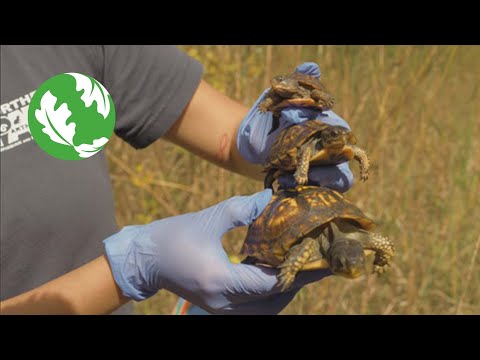
Then there’s wildlife mortality. Seriously, roads are dangerous for animals. Every year, thousands of critters get hit by vehicles. It’s heartbreaking to think about those poor creatures who just want to cross the street but end up as roadkill. In some areas, this has led to sharp declines in animal populations. Take turtles for instance; they often try crossing roads during nesting season but face deadly consequences.
Now let’s talk about barriers. Roads aren’t just physical barriers; they’re psychological too! Many animals avoid them altogether because of noise or vibrations from cars zooming by. This can isolate populations and lead to what we call “genetic bottlenecks.” In layman’s terms, fewer mates mean less genetic diversity which can hurt species in the long run.
Also important is pollution. Roads come with oil spills, tire dust, and other pollutants that leak into the soil and waterways nearby. This not only impacts the landscape itself but also affects plants and animals that depend on clean water and healthy earth—like frogs and fish! If their homes are tainted by pollutants from cars and trucks, they have a tough time surviving.
On another note, we’ve got road design. Some places are actually getting smart about how they build roads to help wildlife out a bit more! You might have heard of wildlife crossings like bridges or tunnels made specifically for animals making their way across highways safely. These have proven quite successful in connecting habitat patches and reducing mortality rates for animals trying to cross without becoming road pizza!
And here’s one more thing: climate change. Roads contribute significantly to greenhouse gas emissions since transportation is a major source of carbon dioxide in the air. Changing climates can make habitats inhospitable for many species as weather patterns shift over time—sometimes leading them right into traffic.
In summary: Although roads are amazing for humans—it’s how we zoom around our daily lives—they really throw nature off its game too. From habitat fragmentation to wildlife casualties and pollution issues; these impacts ripple through ecosystems in ways we sometimes fail to consider. We need balance between our desire for connectivity and protecting the wild world around us.
So next time you’re cruising down that highway or back road—maybe think about what lies beyond those asphalt lanes? There’s a whole world out there trying its best!
You know, when you’re driving down a highway, it’s so easy to get lost in your own thoughts or the music blasting from the speakers. But have you ever stopped to think about the wildlife that’s hanging out on the other side of those concrete barriers? Yeah, I know it sounds kind of silly, but there’s a lot going on out there that we often overlook.
Take my buddy Mark, for example. He once hit a deer while driving at night. It was a total disaster—his car got pretty banged up and he felt awful for the deer too. That moment really got him thinking about how our roads affect wild animals. And honestly, it got me thinking too. Animals don’t care about our roads; they just want to go about their lives—finding food, mates, and safe places to hang out.
So this whole idea of road ecology has been popping up more and more lately. Basically, it’s all about understanding how roads impact wildlife and what we can do to help both animals and drivers coexist better. It’s not just about reducing accidents; it’s also about keeping ecosystems healthy and vibrant.
One of the craziest things I learned is that some species are super vulnerable when crossing highways. You know, like turtles slowly making their way across the street or frogs trying to hop between ponds? They don’t always make it across safely, which can lead to declines in their populations over time.
There are even solutions being tested, like wildlife crossings—those cute overpasses or underpasses designed especially for critters! Imagine a little family of raccoons scurrying under a road while cars zip past above—how cool is that? These crossings reduce accidents and keep those furry guys safer as they travel from one habitat to another.
In my mind, this whole connection between wildlife and highways is such an important conversation we need to keep having. Roads aren’t just concrete ribbons stretching through our landscapes; they’re also barriers that can fragment habitats and threaten biodiversity. It gets you thinking about how we can design better infrastructure that respects nature while keeping us safe.
To sum it up: when you’re cruising down those highways in your car next time, maybe take a moment to appreciate not just where you’re going but also what’s happening in those surrounding woods or fields. There’s so much more at play than meets the eye!