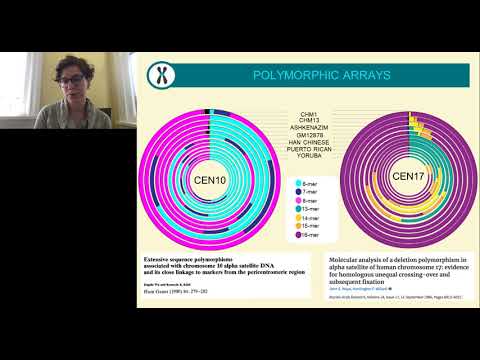
So, here’s a funny thing. Did you know that most of your DNA is actually like the background noise of your genetic code? Yeah, it’s true! We’ve got this stuff called satellite DNA hanging around in our genomes.
It sounds kinda sci-fi, right? But it’s super important. Like, if you imagine your DNA as a really fancy novel, satellite DNA is more like the footnotes—lots of them and sometimes confusing, but they count!
And honestly, it’s just wild to think how much we don’t know about this “extra” bit of our genetic makeup. You’ve got that classic ‘I’m supposed to know this!’ feeling creeping in? No worries! We’ll break it all down together. Let’s dive into the weird and wonderful world of satellite DNA and see what makes it tick!
Understanding Satellite DNA: What Percentage Comprises the Human Genome?
So, let’s chat about something kind of wild yet super fascinating: satellite DNA. I mean, you might have heard about our genes and how they make us who we are, but there’s this whole intricate world happening behind the scenes that plays a big role, too.
To kick things off, **satellite DNA** is a type of repetitive DNA found in our genomes. These segments don’t code for proteins like the other bits of our DNA do; instead, they hang out mostly in the regions around centromeres and telomeres of chromosomes. You know those important parts? Yeah, they’re crucial for cell division and stability!
Now, you’re probably wondering how much of our genome is made up of this satellite DNA. Well, hold onto your hat! About **10-15%** of our genome consists of these repetitive sequences. It’s a pretty significant chunk if you think about it. Most people think genes are everything when it comes to DNA, but here we see there’s a lot more going on.
But here’s where it gets really tricky—there’s **huge variability** among individuals when it comes to these satellite regions. Some folks might have longer or shorter repeats compared to others! This variability can influence how certain traits or diseases manifest in different people.
Here are some key points to wrap your head around:
- Non-coding: Unlike protein-coding genes, satellite DNA doesn’t translate into proteins.
- Repetitive Nature: They are segments that repeat multiple times—think of them as echoes within the genome.
- Chromosomal Function: These regions play essential roles during cell division and maintaining chromosome integrity.
- Diversity: Variations in satellite sequences can lead to differences among individuals, impacting certain traits.
Isn’t it cool? It’s like having your own little genetic fingerprint that tells unique stories about where you fit into the grand tapestry of life.
Now here’s a little anecdote to put things into perspective. There was this one time I had a deep chat with my cousin who was super into genetics. He kept saying that most people think they’re just made up of “genes,” but I introduced him to this idea that we’re also made up partly by these quirky little satellites just hanging around! He was mind-blown by the fact that such a big part of our genome doesn’t even get involved in coding proteins. Like who knew?
So next time you hear someone talking about genomes or genetics in general, remember there’s so much more than just those neat little protein-coding parts! Satellite DNA might not get all the headlines, but trust me—it plays its part in making us human!
Exploring the Link Between Satellite DNA and Disease: Insights from Modern Biotechnology
The human genome is like a vast library filled with all the instructions for building and maintaining our bodies, but it’s not just the genes that are important. There’s this fascinating stuff called satellite DNA, which makes up a chunk of our non-coding DNA. So what’s the deal with it? Well, satellite DNA doesn’t code for proteins like your regular genes do, but researchers are starting to realize it plays a role in how our genes work.
Now, you might be wondering why scientists are so curious about this seemingly random part of our genome. Here’s where it gets interesting: some studies suggest that satellite DNA might be linked to various diseases like cancer. Yeah, you heard that right! When something goes awry with these regions, it can potentially mess with gene expression—basically how genes “talk” to each other.
Here are some key points about satellite DNA and its potential link to disease:
You see? It’s not just filler material in our genome; there’s real potential for understanding how it impacts health and disease.
Thinking back to an old friend who went through cancer treatment really drives home how personal this can get. She always joked she was made up of “spare parts” when talking about her non-coding regions—like satellite DNA—but then we learned about how critical those spare parts can actually be when they go haywire. That really gives new meaning to the idea that even the parts we think are trivial can change everything.
Modern biotechnology tools have been shining a light on these regions recently. Thanks to techniques like CRISPR and advanced sequencing methods, researchers can now peek closer than ever at these mysterious sequences. They’re figuring out how mutations or even epigenetic changes (which basically means things that affect gene behavior without altering the actual DNA sequence) might lead to health issues.
In short, while satellite DNA hasn’t grabbed the spotlight until recently, its role appears more crucial than many thought. Who knows what future research will unveil? It’s exciting stuff! The more we learn about these enigmatic sequences and their links to diseases, the better equipped we’ll be in tackling various health challenges down the line.
Decoding the Human Genome: Advances and Implications in Genetic Science
So, when we talk about decoding the human genome, we’re diving into some pretty cool territory. You know, it’s like getting a behind-the-scenes look at what makes us, well, us! The human genome is a map of our DNA, which contains all the instructions needed to build and maintain our bodies. This project has been around for a while now, but let me tell you—there have been some fascinating advances recently.
One of the big breakthroughs was the completion of the Human Genome Project in 2003. Can you believe it? Scientists managed to sequence over 3 billion base pairs in our DNA! That’s like reading a massive book filled with secrets about life. But it’s not just about knowing what’s written; it’s also figuring out what it *means*.
Also, since then, new technologies have cropped up that allow us to sequence genomes way faster and cheaper than before. Think about how smartphones changed communication; well, this is similar in genetics! Next-gen sequencing has made things much more accessible for researchers and clinicians alike.
Now let’s talk about something called satellite DNA. This part of our genome doesn’t code for proteins (which are basically the building blocks of life). Instead, satellite DNA is repeated sequences found in specific areas of chromosomes. It might sound super technical, but here’s where it gets interesting: these regions can play roles in gene regulation and chromosome structure!
But why should we care about this? Well, understanding satellite DNA could help scientists uncover insights into genetic disorders or conditions linked to chromosome abnormalities. Imagine that someone close to you suffers from a genetic condition—knowing how satellite DNA works might be key to developing new therapies or diagnostic tools.
And get this: not all parts of our genome are equally important. A lot of it seems like junk—stuff that doesn’t get used for coding proteins—but as we dig deeper into genetic science, we’re realizing that even these “junk” pieces can have significant roles. It’s like finding hidden treasures in an old attic!
There are also ethical implications knocking at the door as we learn more about genetics. With great knowledge comes great responsibility—or so they say! As scientists decode more personalized information from our genomes, questions arise regarding privacy and consent. Who gets to know this data? How do we keep it safe?
In conclusion (well… kind of), the journey of decoding the human genome is still unfolding and full of surprises. Whether it’s understanding satellite DNA or grasping how this knowledge can change medicine down the road—the adventure is just beginning! And honestly? It’s going to be fascinating to see where science takes us next!
You’ve probably heard the term “DNA” tossed around, right? It’s that double helix structure that carries our genetic blueprint. But here’s where it gets interesting: not all DNA is created equal. Let’s zoom in on something called satellite DNA—sounds fancy, huh?
So, first off, satellite DNA isn’t like the genes that tell your body how to make proteins or traits. Instead, it’s these repetitive sequences in our genome. Imagine you’re writing a poem and decide to repeat a line over and over again for emphasis. That’s kind of what satellite DNA does—just repeats certain sequences.
Now, you might be thinking, “What’s the point of all this repetition?” Well, researchers are still trying to figure that out! Some scientists believe satellite DNA plays a role in how chromosomes behave during cell division. When cells divide, they need to be super careful with their DNA so everything ends up where it should be—no one wants extra heads or tails showing up unexpectedly!
But here’s where it gets personal: I remember chatting with a friend who was super into genetic research. She’d just discovered some links between satellite DNA and conditions like cancer or certain genetic disorders. It blew my mind! This stuff is part of each and every one of us yet so mysterious at the same time. We often think of ourselves as unique individuals because of our observable traits—but those repeating sequences might help govern some underlying processes that we don’t even see.
And isn’t it fascinating? The more we learn about this less glamorous part of our genome—the bits that seem repetitive or unnecessary—the more we realize how intricately everything is connected. Like a vast web where even the tiniest strands can affect the bigger picture.
So yeah, while satellites orbit around Earth and send back vital information about our world, satellite DNA hangs out in our cells doing its own mysterious work. Life’s little puzzles keep coming at us! It makes you wonder what other secrets are still hiding in plain sight within our very own structure, huh?