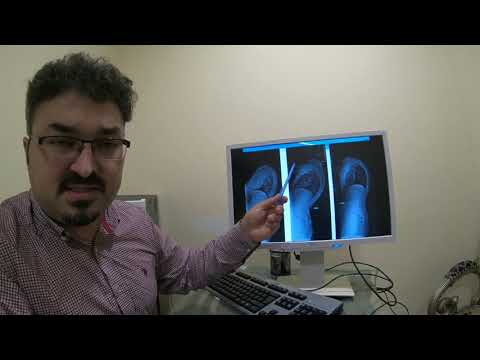
Ever seen someone with a super hunchback? You know, like Quasimodo from The Hunchback of Notre Dame? Well, that kind of slouch could be a sign of Scheuermann’s disease. Crazy, right?
So, like, imagine being a teenager and dealing with back pain while your friends are out there living their best lives. It can really mess with your head—literally! But here’s the thing: thanks to some cool advancements in radiology, diagnosing this condition is getting way easier.
We’re talking high-tech imaging that helps doctors see what’s going on inside your spine without even needing to crack it open! It’s wild how much progress has been made. It’s like putting on superhero glasses and spotting all the hidden secrets of your back.
Stick around while we dig into how this tech is changing things for those dealing with Scheuermann’s disease. It’s gonna be a ride!
Understanding the Progression of Scheuermann’s Disease: Insights from Spine Health Research
So, let’s chat about Scheuermann’s disease. It’s a condition that affects the spine—mainly seen in teens and young adults—and can lead to, you know, some pretty noticeable back issues. Now, it’s not just any curve; it causes the upper back to sort of hunch over. But what exactly is going on?
Scheuermann’s disease, also called Scheuermann’s kyphosis, happens when the vertebrae (those little bones in your spine) grow unevenly. You can think of them like building blocks that stack up to form a tower. If some blocks are taller than others, you get a tilted tower instead of a straight one. This uneven growth usually starts around ages 12 to 16 and can get worse as young folks hit puberty.
A lot of kids might not even realize they have it at first. They could just feel some discomfort or see that their back looks different from their pals’. It’s really tricky because it sometimes gets overlooked until they’re older or until someone points it out.
When we talk about diagnosing Scheuermann’s disease today, advancements in radiology have been super helpful. Radiologists use imaging techniques like X-rays and MRIs to check out what’s happening inside your spine. X-rays show the curvature and any irregularities in bone formation while MRIs help assess soft tissues around the spine.
So here’s an interesting point: when doctors look at those X-rays, they’re often checking for specific signs like the degree of the curve—if it’s more than 45 degrees, that’s a classic indicator of Scheuermann’s. Plus, they might look for other factors like whether there’re any changes to spinal discs or any signs of degeneration.
Now let’s get into what happens as this condition progresses:
- Mild Cases: For some people, symptoms might be minimal or even nonexistent. They may not need treatment; they just live with their unique spine shape.
- Moderate Cases: This is where pain and discomfort can kick in more regularly; physical therapy often comes into play at this stage.
- Severe Cases: In really serious situations—say if someone has significant deformity or pain—a doctor might suggest surgery as an option.
One thing worth mentioning is how early diagnosis can totally make a difference in management and outcomes. If it gets caught early on, kids often respond better to non-surgical treatments like braces or targeted exercises.
Sometimes parents notice their child slouching more or struggling with posture during sports activities. Those are good signs to take them for an evaluation!
Look, while Scheuermann’s disease isn’t something everyone talks about at parties (or ever), understanding how our spines develop and what complications can arise is key! Advances in medical imaging are helping us all keep an eye on things better than ever before.
So if you or someone you care about is dealing with this kind of back issue, remember: there are ways to manage it! Talking to healthcare providers who specialize in spine health can lead you down the right path towards healthy living—even with a curveball (pun intended) thrown into your life!
Understanding Type 2 Scheuermann’s Disease: Insights into Scoliosis and Spinal Health
Okay, so let’s talk about Type 2 Scheuermann’s Disease. It’s this condition that can mess with your spine, causing a type of scoliosis. Basically, it happens when the vertebrae—the little bones in your back—don’t develop properly. They start to look like wedges instead of nice, square shapes. This can lead to a hunchback appearance and some discomfort.
But why does this happen? Well, it’s not fully understood yet, but it seems to hit mostly during adolescence. Imagine being a teen and dealing with some back pain on top of all the other crazy stuff happening in your life! Not fun at all.
When someone has Type 2 Scheuermann’s Disease, you often see a mix of symptoms:
- Pain: This is probably the most common symptom. Sometimes it’s dull and achy; other times it can be sharp.
- Postural Changes: The curvature causes noticeable changes in how someone stands or sits. You could say they’re “hunched over” more than usual.
- Limited Mobility: Some folks find it harder to move around due to discomfort or stiffness.
The big question is: how do you figure out if someone has this disease? That’s where advancements in radiology come into play. You know those X-rays? They’re essential for diagnosing Scheuermann’s Disease because they show how the spine looks inside. But things have evolved beyond just plain X-rays.
Modern techniques like MRI scans give even more detailed images of the spine and surrounding tissues. With these images, doctors can see any abnormal bone growth or even changes in soft tissues that might not show up in regular X-rays. It’s like having a superpower for understanding what’s really going on!
Here’s a fun illustration: imagine you’re trying to read a faded book from your childhood versus finding a brand new copy with really clear text—pretty different experiences, right? That’s what advancements in imaging do for doctors—they make everything clearer!
If someone is diagnosed with Type 2 Scheuermann’s Disease, treatments vary depending on how severe things are:
- Physical Therapy: A lot of people find that exercises help strengthen their back muscles and improve flexibility.
- Pain Management: Over-the-counter pain relievers might become friendly companions during tough times.
- Surgery: In more severe cases where pain isn’t manageable or there are serious postural issues, surgery might be necessary to correct spinal deformities.
The road ahead varies from person to person; everyone’s journey is unique when dealing with spinal health issues like this one. It takes time and care but understanding what’s happening inside can make all the difference!
If you or someone you know is dealing with back problems or something that sounds like what we talked about here, definitely chat with a healthcare professional. They’re your best allies! Remember: taking care of our spines is super important for overall well-being!
Understanding Surgical Options for Scheuermann’s Disease: A Comprehensive Guide
Scheuermann’s disease, a condition mostly seen in adolescents, is all about the spine. It can lead to an abnormal curvature, often causing pain and discomfort. When conservative treatments don’t do the trick, people may need to consider surgical options. Now, let’s unpack what that all means.
First off, let’s chat about when surgery might be necessary. If you’re dealing with significant pain or if the curvature is really affecting your life—like making you feel self-conscious or limiting your activities—then surgery could be on the table. And though it sounds intense, advancements in radiology help doctors evaluate your spine more accurately before making decisions.
When it comes to surgical options for Scheuermann’s disease, here are some common approaches:
- Spinal fusion: This is one of the most common surgeries. It involves fusing together two or more vertebrae using bone grafts. It helps to stabilize the spine and straighten it out.
- Osteotomy: In this procedure, a surgeon cuts the bone to correct its alignment. It’s typically used when there’s a severe curvature that needs more than just fusion.
- Instrumentation: Surgeons might use rods or screws during surgery to help keep the spine in place as it heals.
Now here’s where radiology steps in seriously. Advanced imaging techniques like MRI and CT scans allow doctors to see exactly what they’re working with before any operations begin. With detailed images of your spine, they can plan the surgery better and anticipate any potential complications.
But what does recovery look like after surgery? Well, it can take some time—think months rather than weeks. You’ll likely need physical therapy afterward to regain strength and mobility in your back. It’s essential because keeping those muscles strong will support your newly aligned spine.
And let’s not forget about emotions here! Facing surgery can stir up a whirlwind of feelings—fear of the unknown, anxiety about procedures… But remember: you’re not alone! Many people have walked this path and come out stronger on the other side.
So yeah, while needing surgery for Scheuermann’s disease isn’t ideal—it’s also not something to panic over either. With modern advances in radiology and surgical techniques, you’ve got solid options available that could lead you back to living your life without discomfort or self-doubt. Just ensure you talk openly with your doctor about all these things so you feel informed every step of the way!
Radiology has come a long way, and it’s fascinating to see how it’s changing the way we diagnose conditions like Scheuermann’s disease. You know, this condition often affects teenagers and can lead to a pretty hunched back due to abnormal spinal curvature. Growing up, I remember a friend of mine who had to wear a brace for years because of his kyphosis. It was really hard to watch him struggle with it. But today? The advancements in imaging techniques are making all the difference.
So, let’s talk about radiology—those cool X-rays, MRIs, and CT scans we hear about all the time. Back in the day, traditional X-rays were the go-to for diagnosing Scheuermann’s disease. They could show the curve in your spine but not much else. Nowadays though, we have MRI scans that give us this crazy detailed view of both bones and soft tissues. This can be super helpful for doctors because they can assess not just the skeleton but also look for any nerve compression or other issues lurking around.
And here’s something really interesting: these advancements also mean physicians can monitor progression more effectively. Instead of waiting for symptoms to get worse or relying on guesswork, they can actually track changes over time with imaging studies. It’s almost like having a live feed on what’s happening with your spine! This kind of capability means earlier diagnosis and potentially fewer complications down the road.
But, there’s still a human side to all this techy stuff. Even with better imaging tools, there’s always that emotional element when someone finds out they have a condition like Scheuermann’s disease. You may feel worried or anxious about what that means for your future—like my friend did years ago when he learned he’d need treatment. It’s crucial that healthcare professionals not only use these advanced tools but also understand how to communicate effectively with patients about their diagnosis and treatment options.
In short, while advancements in radiology are super exciting and improving our understanding of conditions like Scheuermann’s disease, we should never forget about the human experiences behind those images. After all, at its core, it’s all about helping people live healthier lives!