So, picture this: you’re at a party, and someone brings up the weirdest topics. You know, like how a tiny molecule can be even more effective than any superhero in stopping electrical arcs. Sounds wild, right?
Let me introduce you to SF6, or sulfur hexafluoride. This molecule is like the unsung hero of the electrical world. Seriously! It’s not just a bunch of letters; it’s packed with some crazy cool properties.
For starters, it’s six times heavier than air! Imagine blowing up a balloon filled with SF6 instead of regular air. It’d float around like it owns the place—like that one friend who always hogs the spotlight.
But hold on, there’s more! This gas might sound intimidating because it has some serious industrial uses too. Ever wondered what keeps power lines from short-circuiting? You got it: our buddy SF6 is often there to save the day!
You following me? Good! Let’s jump in and explore what makes this molecule so special and why you should care about it!
Exploring the Applications of Sulphur Hexafluoride (SF6) in Scientific Research and Industry
So, let’s talk about sulphur hexafluoride, or SF6 as it’s often called. It’s this super cool gas that has some unique properties. You see, it’s basically an inorganic compound made up of one sulphur atom and six fluorine atoms. It’s colorless and odorless, but don’t let that fool you—this little molecule packs quite a punch when it comes to its applications in science and industry.
First off, SF6 is known for being an excellent insulator. Like, seriously good! Because of this quality, it’s widely used in electrical equipment like circuit breakers and switchgear. The gas helps prevent electrical discharge or arcing, which can be super dangerous. Imagine the way a sponge soaks up water; SF6 does something similar with electricity!
Another fascinating use of SF6 is in medical imaging. It’s used in techniques like ultrasound imaging to improve the clarity of the images doctors see. Have you ever had an ultrasound? It’s like looking at a tiny movie of what’s happening inside your body! So, using SF6 helps doctors capture more accurate visuals.
SF6 also finds its way into the world of scientific research. For instance, scientists use it to calibrate detectors for measuring extreme temperatures in laboratories. It’s like having a reliable friend who always tells you exactly how hot or cold things really are!
The thing is, while we talk about all these cool uses, there are some concerns about SF6 too. It’s a potent greenhouse gas with a global warming potential that’s over 23,000 times greater than carbon dioxide! Just imagine driving a car that emits 23 tons of CO2—it can feel overwhelming thinking about SF6’s impact on the environment.
Now, you might ask how scientists manage this issue? Well, researchers are looking into ways to recycle SF6 and find alternatives that don’t have such a heavy environmental footprint. It’s like trying to find eco-friendly versions of your favorite snacks; it’s challenging but worth exploring!
Also interesting is how researchers are using SF6 as a tracer gas in studies related to atmospheric sciences and facility ventilation assessments. They can track how air moves through different spaces or how pollutants disperse across environments—kinda like playing hide-and-seek with air!
So yeah, sulphur hexafluoride is more than just an odd-sounding name; it’s got some serious applications in various fields like electrical engineering and medicine while still posing challenges we need to tackle head-on for the planet’s sake.
In summary:
- Insulation: Excellent for electrical equipment.
- Medical imaging: Used in ultrasound techniques.
- Scientific research: Important for calibrating detectors.
- Environmental impact: A potent greenhouse gas.
- Tracer gas: Useful in studies of air movement.
So next time someone mentions sulphur hexafluoride at a party (or wherever), you’ll be ready with more than just an “oh wow” reaction!
Exploring the Unique Properties of SF6 Breakers in Electrical Engineering
So, let’s talk about SF6 breakers. These guys are pretty cool in the world of electrical engineering. SF6 stands for sulfur hexafluoride, which is a colorless, odorless gas that’s heavier than air. It’s not just another gas hanging around; it has some super unique properties that make it ideal for use in electrical systems.
The main thing about SF6 is its amazing ability to insulate and quench arcs. When electric current jumps between contacts—think of lightning trying to find a way home—it can create something called an arc. This is where SF6 shines! It has a high dielectric strength, which helps prevent these arcs from forming in the first place. And if they do happen, SF6 can extinguish them effectively.
- Insulation: SF6 can withstand high voltages without breaking down. It’s like having a superhero that protects against electric charges!
- Thermal Stability: This gas holds up well under heat, so you don’t have to worry about it getting all funky during operation.
- Non-toxic Nature: Unlike some other gases used in electrical applications, SF6 doesn’t harm the ozone layer when handled properly.
I remember visiting a power station once and seeing these massive transformers surrounded by what looked like big glass cylinders filled with this gas. They told me it was SF6 helping to keep everything safe and sound while running at high voltage. It was like watching an invisible shield work its magic!
Another attractive feature of SF6 breakers is their compact size compared to traditional oil-filled circuit breakers. You get all this power protection without needing a huge footprint on your property. Plus, because they’re sealed away neatly, maintenance tends to be much easier too.
- Compact Design: Less space required means you can fit more equipment into tighter spots! Perfect for urban areas where space is gold.
- Lifespan: These breakers have a long life expectancy; less frequent replacements mean lower costs over time!
The environmental impact, however, brings us to the other side of the coin. While SF6 doesn’t damage the ozone layer directly, it does have a high global warming potential—around 22,800 times greater than CO2! Yikes! That’s serious stuff we need to think about as we push forward with green technologies.
If engineers choose to use SF6 breakers responsibly and incorporate practices like recycling or proper handling procedures, they can mitigate some environmental concerns while keeping this powerful tool handy for essential tasks in energy transmission.
The bottom line? Sf6 breakers, with their unique insulating properties and efficiency benefits, play a pivotal role in modern electrical engineering but come with responsibilities regarding their environmental footprint. It’s like having superpowers; you’ve got to use them wisely!
Exploring Sulfur Hexafluoride: Properties, Applications, and Environmental Impact in Scientific Research
Sulfur hexafluoride, or SF6, is quite a unique molecule. You see, it’s made up of one sulfur atom and six fluorine atoms. This combination gives it some pretty interesting properties that make it stand out in the world of chemistry.
First off, SF6 is a colorless and odorless gas. You probably wouldn’t even notice it was around unless you had specific detectors. It’s also incredibly stable, which means it doesn’t easily react with other substances. The thing is, this stability has both its advantages and disadvantages.
One major reason people use sulfur hexafluoride is because it’s an excellent electrical insulator. In fact, it’s one of the best! Utilities use SF6 in high-voltage equipment because it can prevent electrical arcs and short circuits. Without this gas, we’d have a lot more outages, believe me.
Also, SF6 is used in medical applications for things like ultrasound imaging. Ever heard of that balloon test? They inject some SF6 into your body to help visualize areas better during scans. Pretty cool how something like this can help doctors diagnose conditions!
Now let’s touch on the environmental impact. Unfortunately, sulfur hexafluoride isn’t eco-friendly at all. It has a very high global warming potential—about 23,500 times greater than carbon dioxide over a century! So when we release SF6 into the atmosphere—like during maintenance procedures—it contributes to climate change.
And interestingly enough, some scientists are researching ways to reduce emissions or find alternatives to using SF6 in various applications. There are whispers about new insulating materials that could serve similar purposes without having such a devastating effect on our planet’s atmosphere.
In summary:
- Sulfur hexafluoride (SF6) is stable, colorless, and odorless.
- It’s primarily used as an electrical insulator.
- SF6 helps improve medical imaging.
- The gas has an alarming potential for contributing to global warming.
- Efforts are underway to find greener alternatives.
So yeah, while sulfur hexafluoride plays some crucial roles in scientific research and technology today, we can’t ignore its environmental footprint. Balancing its benefits with the need for sustainability should be part of the ongoing conversation among scientists and policymakers alike!
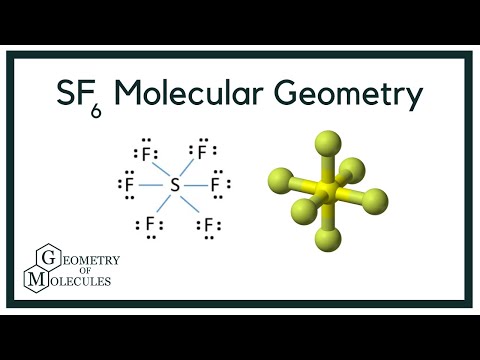
So, let’s talk about this funky little molecule called SF6. It’s actually sulfur hexafluoride—sounds cool, right? Just picture a chunky six-sided guy that rolls around with a sulfur atom at the center and six fluorine atoms hanging out around it. The first time I heard about SF6, I was in chemistry class, and my curiosity just shot up like a soda can shaken before opening. It felt like this invisible ghost in the world of science.
Now, what makes SF6 so special? Well, one thing is its greenhouse gas status. Yeah, I know what you’re thinking—greenhouse gases can be bad news for our planet. And while it’s true that SF6 is super potent in trapping heat (about 23,500 times more effective than CO2!), it’s also used in ways that might surprise you.
For instance, SF6 is a rock star in the electrical industry. It’s used as an insulator in high-voltage equipment because it’s really good at preventing electrical arcs. This helps our energy systems run smoothly and safely! Imagine working with all those circuits buzzing around—having something like SF6 around means less chance of catastrophic failures.
But here’s where it gets a bit wild: even though it’s super useful and widely applied, we still have to be careful with it. It hangs around for ages—like that friend who overstays their welcome after a party—and can contribute to climate change if released into the atmosphere without care.
Every time I think about molecules like SF6, I’m reminded of how complex nature can be. It’s this balancing act between using resources responsibly while also venturing into technology that requires some serious consideration. Understanding molecules like this helps us appreciate both their potential and their risks—it puts things into perspective.
So yeah, whether we’re marvelling at its unique properties or being cautious about its environmental impact, molecules like SF6 invite us to engage more deeply with science. Each one tells a story—a story of discovery and responsibility—but isn’t that what makes science such an adventure?