So, you know when you’re munching on a cookie and feel that sweet rush of energy? Yeah, that’s glucose doing its thing! But here’s the kicker: it’s not just some sugar; it’s a whole molecule with a story to tell.
Imagine this little guy zooming around in your bloodstream. It’s like the VIP that gets all the attention at a party—everyone wants a piece of it! Glucose is basically the fuel for our bodies, kind of like gas for a car.
But let’s take a step back. Have you ever actually thought about what glucose looks like? I mean, it’s not just invisible magic floating around in your system. It’s got its own shape and vibe. And visualizing molecules? Well, that can totally change how we think about our health and food.
Stick around; I promise it’ll be more fun than eating another cookie!
Techniques and Tools for Molecular Visualization in Scientific Research
Sure! Let’s chat about some ways scientists visualize molecules, especially that sweet little glucose molecule we hear so much about. It’s like bringing tiny things to life right before our eyes, you know? So, grab a snack and let’s get into the nitty-gritty.
When we talk about **molecular visualization**, we mean using different techniques and tools to see and understand the structures of molecules in detail. Sure, our eyes can’t see things at that scale, but with the right tools, we can get a pretty good picture!
**1. Computer Modeling:** With software like **Chimera** or **PyMOL**, scientists create 3D models of molecules. For glucose, this means they can spin it around and look at all its angles. It’s like having a virtual model you can examine from every side! You follow me?
Here’s something interesting: these programs take data from experimental results—kind of like puzzle pieces—to put together the whole picture.
**2. Molecular Dynamics Simulations:** This technique helps researchers understand how molecules behave over time. Imagine watching glucose move around in a solution or interact with other molecules! Programs such as **GROMACS** or **NAMD** simulate this motion based on physics principles. It’s like playing a video game where you control the characters but here, those characters are actual molecules!
**3. X-ray Crystallography:** This method is super cool! Scientists take crystalline samples of glucose and shoot X-rays at them. When the rays hit, they scatter in unique patterns that help researchers figure out the molecule’s structure. It’s kind of like shining a flashlight on your hand and seeing your shadow—just way more complex.
**4. NMR Spectroscopy:** Nuclear Magnetic Resonance (NMR) is another technique used to visualize molecules in solution without needing crystals! It tells us about the environment around certain atoms in glucose by measuring how they respond to magnetic fields. The result? A detailed map of how everything’s connected!
To better illustrate these points:
- Computer Modeling: Rotate 3D models for different perspectives.
- Molecular Dynamics: Watch movements similar to video games.
- X-ray Crystallography: Patterns reveal structures using X-rays.
- NMR Spectroscopy: No crystals needed; works with solutions!
These tools not only help visualize glucose but also other complex biomolecules crucial for life! Can you imagine a world without this technology? It would be way harder to understand diseases or develop new drugs!
So yeah, molecular visualization is essential for scientific research because it allows us to see what happens at levels our eyes can’t handle on their own. And once you grasp these techniques, it feels like opening a door into another universe where everything is moving and interacting in ways we’re just starting to understand!
Exploring the Scientific Structure of Glucose: A Comprehensive Overview in Biochemistry
So, let’s chat about glucose, shall we? You know, that sweet little sugar everyone talks about? It’s not just something we sprinkle on our morning oats—glucose has this amazing scientific structure that plays a huge role in our biochemistry. Seriously, it’s fascinating stuff!
What is Glucose?
Glucose is a simple sugar and one of the primary sources of energy for your body. It’s classified as a monosaccharide, which is just a fancy way of saying it’s made up of one single sugar unit. When you eat foods that contain carbohydrates, your body breaks them down into glucose to fuel everything from your brain to your muscles.
The Structure of Glucose
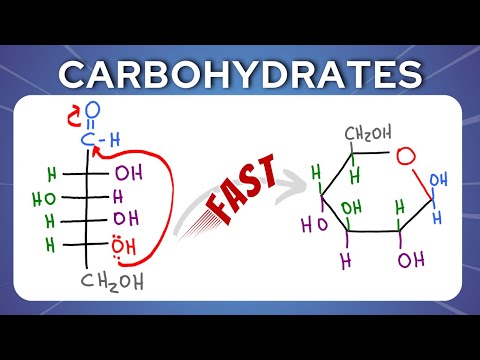
Now, if we take a closer look at its structure, glucose has the chemical formula C6H12O6. This means it contains 6 carbon (C) atoms, 12 hydrogen (H) atoms, and 6 oxygen (O) atoms. You might think “Wow! That sounds like a lot!” but each atom plays a vital role.
When scientists visualize glucose, they often use models to show how these atoms connect. Imagine that each carbon atom is like a friend holding hands with others to form a chain. The **carbon atoms** form the backbone of the structure while **hydrogen** and **oxygen** make attachments throughout.
Here are some key points about its structural features:
- Ring Structure: Glucose can exist in two forms—linear and cyclic. The ring form is more common in nature.
- Stereochemistry: The arrangement of atoms in space makes each type of glucose unique. There are actually different versions called “anomers” based on how the OH group is positioned.
- Functional Groups: Glucose has multiple hydroxyl (-OH) groups which make it very hydrophilic (water-loving). This helps it easily dissolve in blood.
The Role of Glucose in Your Body
Once inside your body, glucose gets to work quickly! It travels through your bloodstream to cells where it’s used for energy or stored for later. For example, when you eat pasta or fruit and then run around later—your muscles are tapping into those stored glucose reserves. It’s tricky—even though it’s just one type of sugar, it’s got quite the job!
A Quick Anecdote
I remember once after running a marathon… I swear I could feel my body crying out for glucose! I smashed some bananas post-race because they’re packed with this stuff! Within minutes—I kid you not—I felt human again! That’s how essential glucose really is; it powers us through even our toughest moments.
In conclusion (well not really but you catch my drift), understanding the scientific structure of glucose gives us insight into how our bodies function at such fundamental levels. Pretty cool right? Next time you munch on something sweet or load up on carbs before workout—remember there’s science behind every little bite!
Exploring the Scientific Connection Between Glucose Metabolism and Human Health
So, let’s chat about something that’s super interesting: glucose metabolism and its connection to human health. You might be thinking, “What is glucose anyway?” Well, glucose is basically a sugar that our bodies use for energy. It’s like the gas in a car; without it, we wouldn’t go very far!
The thing is, how our bodies handle glucose can hugely affect our overall health. If everything is running smoothly, glucose levels stay balanced. However, if things get out of whack, you could run into some serious problems. Imagine it like trying to balance on a seesaw—too much on one side and you’re gonna tip over.
- Insulin’s Role: Insulin is a hormone produced by your pancreas. When you eat food containing carbs, your blood glucose levels rise. Insulin helps usher that glucose into the cells where it can be used for energy or stored for later. If your body stops responding to insulin properly, that’s when things get tricky.
- Type 2 Diabetes: This is where the connection gets really important. When your body doesn’t respond well to insulin (a condition called insulin resistance), blood sugar levels can spike and stay high over time. That can lead to type 2 diabetes, which affects millions of people worldwide.
- The Energy Crisis: Think of your cells as little factories that need raw materials to operate. If they can’t get the glucose they need because of insulin issues, they can’t produce energy efficiently! This can leave you feeling tired and sluggish—like trying to run on empty.
- Long-Term Effects: Over time, high blood sugar levels can cause damage to various organs and tissues in your body—like the kidneys or eyes! It’s kind of like rust forming on metal over time; eventually it’s gonna cause some serious problems if not addressed.
You know how we sometimes hear about “sugar crashes”? That’s when your blood sugar drops suddenly after peaking from eating too many sugary things right away. It can feel like you’ve hit a wall—mood swings and irritability are common too! This rollercoaster effect on blood sugar isn’t fun at all.
Anecdote time! One day I saw my friend go through this whole cycle after having way too much candy before our hike. She was energetic at first but then crashed halfway up the trail! It was almost painful to watch her struggle while I was still going strong with my apple slices!
This shows just how crucial managing our glucose levels really is—for both immediate energy and long-term health! Eating balanced meals with fiber helps keep those spikes under control by slowing down digestion.. Carbs are great but let’s not forget about adding proteins and healthy fats into the mix!
The bottom line? Glucose metabolism plays a huge role in keeping us healthy and feeling good every day. If we understand how our bodies deal with sugar—through hormones like insulin—we’re better prepared to make choices that benefit us in the long run!
You know, when you think about glucose, it might just seem like a simple sugar. We use it all the time, especially when we grab that sugary snack to power through the day. But if you stop and visualize what glucose really is, it’s like opening up a whole new world. Seriously!
Glucose is a molecule made up of carbon, hydrogen, and oxygen. It’s got this fascinating structure that looks almost like an intricate dance of atoms. Picture it: six carbon atoms linked together with each one holding hands with hydrogen and oxygen atoms. You might picture the carbons as these little friends forming a circle, while oxygen swoops in here and there—you follow me?
There was this time I was looking at molecular models in my chemistry class. They were these colorful balls connected by sticks to represent bonds—it felt like playing with cool toys! I modeled glucose and marveled at how something so tiny could have such an enormous impact on our bodies. When we eat foods containing glucose, our bodies quickly convert it into energy—like flipping a switch to turn on the lights! That energy fuels everything from thinking to running or even just chilling on the couch.
And here’s where things get really interesting: glucose isn’t just hanging out alone in your bloodstream; it’s also crucial for plants. During photosynthesis, plants take sunlight and turn carbon dioxide and water into glucose. Then they use that same glucose for energy or build other more complex carbohydrates like starches—talk about teamwork!
Now when you look at that little sugar cube in your coffee or whatever sweet treat you’ve got handy, remember there’s so much more than meets the eye! Glucose molecules are working hard behind the scenes all over nature. So next time you take a bite into something sweet or feel your energy spike after a sugary snack, think about those little molecules doing their thing—shaping life as we know it!