Did you know your heart beats about 100,000 times a day? That’s like running a marathon without even breaking a sweat! Crazy, right?
So, let’s talk about this little engine that keeps on pumping. It’s not just about the beats, though. There’s a whole visual side to it that makes understanding how your heart works way easier.
You think of diagrams as boring, but hang on! They can actually be pretty cool and super informative. You get to see where the blood flows, how everything’s connected. It’s like getting the VIP tour of your own body without all the medical jargon.
Stick around! We’re gonna unravel those diagrams together and see just what makes our hearts tick—literally!
Understanding the Heart: A Fundamental Overview of Cardiac Anatomy and Function
Oh, the heart! That little engine of ours that never really takes a break, right? Let’s get into how this amazing organ works and what it’s made of. You might not think about it much, but understanding your heart is super important.
The Heart’s Structure
So, the heart is a muscular organ about the size of your fist. It’s located slightly to the left side of your chest. It’s got four main chambers:
- The Right Atrium: This chamber collects deoxygenated blood from your body.
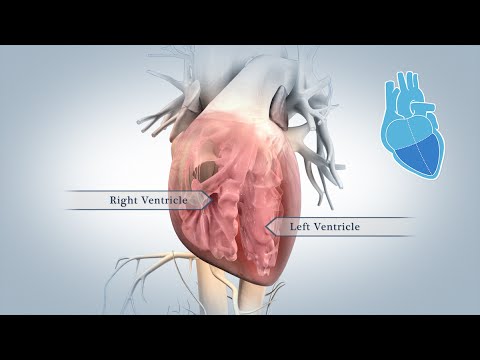
- The Right Ventricle: Here, the blood gets pumped to your lungs to pick up oxygen.
- The Left Atrium: This one receives oxygen-rich blood coming back from the lungs.
- The Left Ventricle: The strongest chamber! It pumps oxygenated blood out to the rest of your body.
When I was a kid, my mom once took me to see this really cool model of a heart at a science fair. I was struck by how intricate it looked with all those chambers and pathways. It felt like looking at a busy train station where every train had its own destination.
Heart Valves and Blood Flow
Now, let’s talk about valves. They’re like little doors that keep blood flowing in the right direction. Your heart has four main valves:
- Tricuspid Valve: Between the right atrium and ventricle, keeps blood from going backward.
- Pulmonary Valve: Controls blood flow from the right ventricle into the pulmonary artery leading to the lungs.
- Mitral Valve: Between the left atrium and ventricle; prevents backflow after pumping out.
- Aortic Valve: Prevents blood from flowing back into the left ventricle after it’s pumped out to your body.
These valves open and close with each heartbeat. And when they function properly? It’s like a well-orchestrated concert—the music flows smoothly!
The Heartbeat Cycle
You know that thumping sound you hear during an exam when they check your heartbeat? That’s caused by a process called the cardiac cycle. This cycle includes two main phases: systole (when muscles contract) and diastole (when muscles relax).
During systole, both ventricles contract and pump blood out—left one goes to your body while right one goes to your lungs. Then comes diastole when everything relaxes and fills back up with fresh blood again.
Imagine running around outside; you can feel this rhythm speeding up as you need more oxygen—your heart just knows what to do!
Electrical System of The Heart
What keeps everything ticking along is its electrical system, which controls heartbeats automatically without you even thinking about it! The sinoatrial node (SA node), often called the natural pacemaker, sends electrical signals that make those chambers contract.
If you ever feel like your heart skips a beat—like when you’re nervous before speaking in front of people—it’s usually just these signals acting up for a second.
Your Heart Matters!
So here’s why all this matters: understanding how your heart works can help you keep it healthy! Things like exercise, good nutrition, and managing stress go a long way in helping maintain its health over time.
The next time someone asks about how our hearts work or if they’ve got questions on cardiac anatomy or function—well now? You’ve got some solid info at hand!
Exploring the Science of the Heart: Insights from Cardiovascular Research
Let’s talk about the heart! This little organ is basically the engine of our body, pumping blood and keeping us alive. It’s fascinating how it works, and science has shed a lot of light on its mysteries. But seriously, have you ever thought about what’s happening inside your chest when your heart beats? Well, let’s explore some insights from cardiovascular research!
The heart is made up of four chambers: two atria and two ventricles. The right atrium receives blood that’s low in oxygen from the body, while the left atrium gets fresh oxygen-rich blood from the lungs. After that, the ventricles take over. The right ventricle pumps blood to the lungs to get oxygen, and then the left ventricle pushes that oxygenated blood out to all your organs and tissues. It’s like a super-efficient delivery system!
Now, you might think that sounds pretty straightforward, but here’s where things get interesting: those chambers are surrounded by a thick layer of muscle called myocardium. This muscle contracts to create a heartbeat. Normally, your heart beats about 60 to 100 times per minute when you’re resting. But during exercise or stress, it can pump faster—sometimes even over 200 beats per minute! Imagine your heart running a mini-marathon while you’re just sitting there.
If we look at it visually with diagrams—like an anatomical breakdown—they usually highlight these key features:
- Chambers: Each chamber has its own specific role in circulation.
- Valves: There are four valves that ensure blood flows in one direction—a crucial job!
- Blood Vessels: Arteries carry blood away from the heart, while veins bring it back.
- Nerve Connections: The heart has its own electrical system directing each beat.
This electric system is super cool! It starts with a group of cells called the sinoatrial (SA) node. Think of it as a tiny pacemaker within your heart—it sends out electrical signals that prompt your heart to beat. If something goes wrong with this system—like arrhythmia—you could feel it in fluttering sensations or even fainting spells. That can be alarming!
If we shift our focus to cardiovascular research, we can see how scientists are diving deeper into all this complexity. For instance, researchers are always looking into how lifestyle choices affect heart health—like diet and exercise—and they’re discovering some pretty amazing connections between these factors and overall health outcomes!
Anecdotes from patients show real-life impacts too; many folks have turned their lives around by better understanding their hearts through research findings. Imagine someone who once had high cholesterol adopting healthier eating habits after learning what plaque buildup means for their arteries—it’s inspiring!
The thing is, staying aware of our cardiovascular health can make such a difference! Regular check-ups help catch potential problems early on before they become serious issues.
You know, learning about your own heart isn’t just for science nerds—it can empower you in so many ways! So next time you feel that familiar rhythm inside your chest or see diagrams illustrating these concepts, remember: it’s not just an organ; it’s literally keeping you alive and kicking! And who wouldn’t want to understand their own life source better?
Exploring the Circulatory System: A Comprehensive 3D Animation for Scientific Education
The circulatory system, wow, it’s like the body’s own delivery service! It’s responsible for transporting blood, oxygen, and nutrients to every single cell. But to really get what’s going on in there, visual aids can be super helpful. Seriously, have you ever looked at a diagram of the heart? It’s like staring at an intricate puzzle.
Now, let me tell you about 3D animations. These things are game changers in scientific education. Instead of just static images, 3D animations let you see how everything moves and interacts in real time. You can actually watch blood flow through the heart and vessels. It feels almost like being inside your own body!
When we think about the heart, it’s essential to understand its parts:
- The atria, which are the upper chambers that receive blood.
- The ventricles, which pump blood out to the lungs and body.
- The valves, which ensure that blood flows in only one direction.
A neat feature of a good animation is how it shows these parts working together during each heartbeat. You see how the atria fill up with blood while the ventricles relax. Then—boom—the atria contract, pushing blood into the ventricles. It’s kind of breathtaking when you realize this happens about 70 times a minute!
And speaking of understanding things better with visuals—ever tried explaining this stuff without pictures? I once attempted to explain how oxygen-rich blood flows from the lungs to the heart and then out to the body using just words. Let me tell you, it was like trying to describe a movie without showing any clips! People were lost; I could tell by their eyes.
Another cool aspect of these scientific diagrams is they often include labeled parts that make identifying each component a breeze. You can see where arteries branch off—like those big highways carrying fresh oxygen—and where veins return deoxygenated blood back to the heart.
Plus, some advanced animations even show how diseases affect circulation! Think about conditions like arteriosclerosis or congenital heart defects; seeing them illustrated makes understanding them so much easier than reading dry text or charts.
So really, when looking at something as complex as our circulatory system, having **3D visualizations** can turn confusion into clarity. They pull back the curtain on this amazing system that keeps us alive and thriving every day!
You know, when I think about the heart, it’s not just that little muscle pumping away in our chests. It feels kind of special, right? So, picture this: you’re sitting in a biology class, and the teacher rolls out this giant diagram of the heart. It’s like art and science collided! Suddenly, it all clicks.
A detailed diagram breaks down all those complex parts into something more relatable. We’ve got chambers—like rooms in a house—each with its own job. The right atrium takes in deoxygenated blood (that’s blood without oxygen) from the body, while the left atrium receives oxygen-rich blood from the lungs. Can you imagine how busy that space must be? Then you’ve got ventricles that pump blood out: one sends it to the lungs for re-fueling with oxygen, and the other pushes it out to nourish the rest of your body.
What’s really cool is how these diagrams use colors and labels to make everything clearer. Like, they highlight arteries and veins in different shades so you can see which way things are flowing. You know? It makes it easier when you’re trying to wrap your head around something so vital yet intricate.
And here’s an emotional nugget for ya—when I was a kid, I had a family member with heart issues. Seeing that diagram really helped me understand what was going on inside them. It was comforting somehow; I could see exactly how this little machine worked despite all its complexities.
Looking at heart diagrams can also spark curiosity about broader topics like cardiovascular health or even exercise’s effect on our bodies. Like, how does working out change things? Isn’t it wild to think that something as simple as running or dancing influences your heart’s structure over time?
So yeah, visualizing the heart isn’t just about understanding anatomy; it’s about connecting with life itself! Every time we see those illustrations, we’re reminded of our own beating hearts and their crucial role in keeping us going day by day. Pretty neat if you ask me!