So, the other day, I was binge-watching this medical show, and they dropped a line about how the heart is basically a muscle that never gets tired. Seriously! Can you imagine running a marathon and never needing a break? Wild, right?
Anyway, hearts are super fascinating. They’re like those tiny engines working tirelessly inside us every single day. But have you ever thought about what’s actually going on in there?
We’re not just talking about beats, you know? There’s a whole world of chambers, valves, and arteries making it all happen. And I’m here to break it down for you in a way that doesn’t feel like you’ve fallen into a boring textbook.
So grab your favorite snack or drink because we’re diving into the fundamentals of heart anatomy! You’ll be amazed at what you find out.
Comprehensive Guide to Heart Anatomy: Downloadable PDF Resource for Scientific Study
The heart is an incredible organ, and understanding its anatomy is like unlocking the secrets of a superhero within our bodies! Seriously, it’s the powerhouse that keeps everything running smoothly. So, let’s break this down in a way that makes sense, you know?
The Heart’s Structure
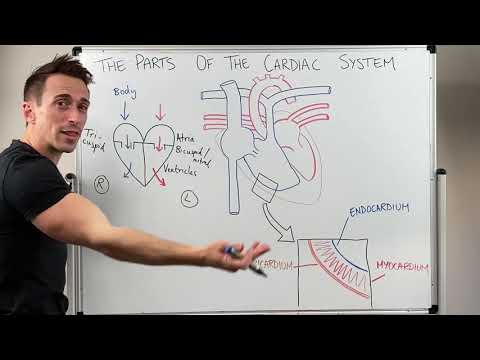
At its core, the heart is basically a muscular pump. It’s divided into four main chambers: two atria and two ventricles. The atria are the upper chambers that receive blood. The ventricles, on the other hand, are the lower chambers that push blood out of the heart. You see? It’s all teamwork!
The Valves
There are four important valves at play here:
- Atrioventricular valves: These include the tricuspid valve (right side) and mitral valve (left side). They’re like gatekeepers, controlling blood flow from the atria to the ventricles.
- Semi-lunar valves: These are the pulmonary valve and aortic valve. They make sure blood exits properly: one goes to your lungs for oxygen, while the other pumps it out to your body.
Think about those moments when your heart races—like during a thrilling movie! The valves work tirelessly to keep your blood flowing just right.
The Blood Vessels
Oh! And let’s not forget about those highways of life—the blood vessels! They come in three main types: arteries, veins, and capillaries. Arteries carry oxygen-rich blood away from your heart (hello aorta!), veins bring deoxygenated blood back (thanks for returning home), and capillaries are where all the magic happens—where oxygen and nutrients get exchanged with body tissues.
You know that feeling when you’re running around and your heart starts beating faster? That’s your body asking for more oxygen through those vessels!
The Electrical System
Now here’s something cool: there’s an electrical system in your heart called the conduction system. It controls how fast or slow your heart beats by sending electrical signals throughout. The sinoatrial (SA) node, often called the natural pacemaker, sets this rhythm—like a DJ spinning tunes at a party!
Heart Layers
The heart has three layers of tissue as well:
- Epicardium: This thin layer is actually part of your pericardium (the protective sac around your heart).
- Myocardium: This thick muscle layer does most of the heavy lifting—it’s what pumps all that blood!
- The innermost layer lines those chambers and keeps everything smooth.
Each layer has a special role; together they keep things running slick!
So yeah, having all this info written down in one place would totally help if you’re diving deeper into heart anatomy studies! A downloadable PDF resource could be super handy for quick reference or when you want to impress friends with some awesome facts about how our bodies work.
And remember how I mentioned teamwork earlier? That same concept applies here too—each part of our hearts works together seamlessly to keep us alive. Next time you feel that heartbeat, think about all those cool things happening inside you! What an incredible ride it is just being human!
Understanding the Anatomical Location of the Heart in Women: A Scientific Perspective
So, let’s talk about the heart! You may know it as the muscle that pumps blood and keeps you alive, but have you thought about where it actually sits in our bodies? The anatomical location of the heart is super interesting, especially when we compare it between women and men.
The heart is located in the thoracic cavity, which is just behind and slightly to the left of your breastbone. It’s nestled between your lungs and tilted toward the left side of your body. And here’s a fun fact: the average heart size is about the size of a fist. But when it comes to women, there are some unique aspects we should consider.
- Size Differences: Women generally have smaller hearts than men. This isn’t just a random fact; it impacts how blood flows through their bodies.
- Position Variations: In women, the heart might sit slightly higher in the chest compared to men. This can be influenced by factors like body size and shape.
- Cavity Shape: The thoracic cavity in women can also be shaped differently. It tends to be more oval-shaped, which accommodates the smaller size of their hearts.
You know what’s wild? Despite these differences in anatomy, both men and women experience similar heart function. That said, research does show that women often present different symptoms during heart issues compared to men. So understanding where their hearts are located anatomically can actually make a difference in treatment.
Think about your own experiences or maybe something you’ve heard from friends or family regarding heart health. There’s often a societal focus on male symptoms when it comes to conditions like heart attacks. But female symptoms can be way subtler—like fatigue or shortness of breath—so recognizing this anatomical variance could help save lives!
If we zoom out for a second to look at blood flow: both male and female hearts pump blood through two main circuits—the pulmonary circuit (to and from the lungs) and systemic circuit (to and from the rest of the body). The key differences still relate back to size and position: a smaller heart may need to beat faster to maintain that vital blood flow.
If you want another cool tidbit, think about how pregnancy changes things too! During pregnancy, a woman’s heart moves slightly upward as her diaphragm pushes up into her chest for room—just one more twist in how anatomy can adapt over time!
In summary, understanding where women’s hearts are situated anatomically isn’t just academic; it’s crucial for improving health outcomes. It helps healthcare providers spot potential problems quicker—which frankly could mean everything at times.
Your body tells a story—your heart is right at its center! Isn’t that something? Keep this knowledge close; who knows when it’ll come in handy!
Comprehensive Guide to Heart Anatomy and Physiology: Downloadable PDF Resource for Scientific Study
The heart, an incredible muscular organ, really deserves more attention than we usually give it. It’s like the drummer in a band—always keeping the rhythm but often overshadowed by the lead singer. So, let’s break it down, shall we? Here’s a basic overview of heart anatomy and physiology.
What is the heart?
Well, think of it as a hollow muscular structure that pumps blood through your circulatory system. It’s about the size of your fist and located slightly left of center in your chest. This small powerhouse is crucial for delivering oxygen and nutrients and removing waste.
Anatomy breakdown
The heart has four main chambers:
- Right atrium: Receives deoxygenated blood from the body.
- Right ventricle: Pumps that blood to the lungs for oxygenation.
- Left atrium: Accepts oxygen-rich blood from the lungs.
- Left ventricle: Distributes oxygenated blood to the rest of the body.
So, here’s where it gets interesting. The left ventricle is particularly strong because it has to pump blood all over your body. Imagine lifting weights; you use stronger muscles for heavier lifts. That’s exactly what this chamber does!
The valves
Now, if you think about how chaotic things could get without proper organization, you get why heart valves are essential! They keep blood flowing in one direction and prevent any backflow. There are four key valves:
- Atrioventricular (AV) valves: These separate the atria from the ventricles.
- Semi-lunar valves: Found at the exit points of each ventricle.
Imagine a bouncer at a club making sure only certain folks get in or out; that’s what these valves are doing!
The electrical system
Your heart has its own electrical system that controls when it beats. The sinoatrial (SA) node sends signals that cause contractions; kind of like a conductor leading an orchestra! This rhythmic firing keeps your heart in sync with physical activities—like sprinting after your dog when he spots a squirrel.
The cardiac cycle
This describes how the heart works through contraction (systole) and relaxation (diastole). During contraction, blood gets pumped out; during relaxation, it fills up again with fresh incoming blood—the cycle basically continues non-stop.
When I was a kid, I remember being fascinated after learning how this cycle keeps you alive day in and day out! It blew my mind that something so automatic could be happening within me all along.
Caring for your heart
Not to get too serious here, but taking care of your heart is super important. Eating healthy foods, staying active, and managing stress can make all the difference in how efficiently this organ operates over time.
So there you go! Understanding just these basic aspects of heart anatomy and physiology can make you appreciate this brilliant organ even more. Your heart isn’t just pumping along; it’s doing complex work constantly and tirelessly! And who knows? Maybe one day you’ll be inspired to study cardiology or just take better care of yours while running after that speedy pup!
You know, the heart is this incredible little organ that gets way less credit than it deserves. I mean, it’s not just a love symbol, right? It’s like the ultimate workhorse of our body. Just the other day, I was hanging out with a friend who works in medicine, and we got into this passionate discussion about how amazing our hearts are. It really made me appreciate how this one organ is so central to our lives and health.
Now, let’s break it down a bit! The heart’s basically a muscular pump that keeps blood flowing through your body. It’s divided into four chambers: two atria on top and two ventricles at the bottom. The right side collects oxygen-poor blood from the body and sends it to the lungs to get more oxygen. Once that’s done, the left side takes that fresh blood and pumps it out to nourish every single cell in your body. Seriously, think about all those miles of blood vessels just waiting for their chance to be filled with life!
And here’s something I find cool: there are also valves in your heart that work like little gatekeepers. They open and close to make sure blood flows in one direction—no backtracking allowed! Imagine if everyone at a concert tried to go through one entrance at once; chaos would ensue! That’s kind of what would happen if those valves didn’t do their job right.
I still remember being in biology class as a kid when we had to dissect a pig’s heart. It was kind of gross but also super fascinating! Seeing all those chambers up close really helped me understand how everything fit together. It felt like uncovering nature’s design secrets or something.
You might think of the heart as just another muscle, but it’s so much more than that! It’s tied deeply into our emotional lives too—after all, we say things like “breaking” or “filling” our hearts as if they can feel stuff on their own! It’s wild how this tiny organ can carry such weight in both science and art.
So yeah, even if you’re not planning on pursuing a career in medicine or cardiology, appreciating your heart’s anatomy can seriously enhance your understanding of health overall. Plus, next time you hear someone talk about matters of the heart—whether literal or figurative—you’ll have some cool insights to share! Isn’t it amazing how something so small holds such power?