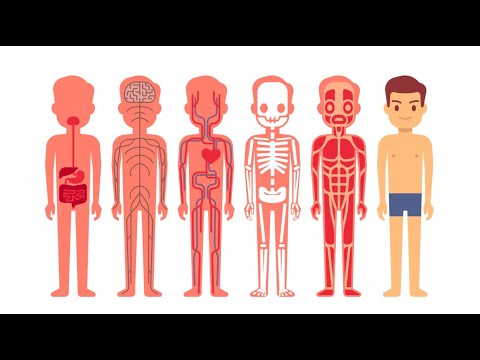
Okay, picture this: you’re standing in front of a group of kids, and one of them asks, “Why do we have a belly button?” Suddenly, you’re like, “Whoa, that’s deep!”
Our bodies are kind of like a super cool puzzle. And each piece has its own weird little story. Seriously! Every bone, muscle, and organ has been crafted to do some funky job.
You might think anatomy is just for doctors and scientists. But honestly? It’s for everyone! Knowing how our bodies work can turn everyday stuff into magic. Like, when you realize why your heart races when you see someone cute – it’s all connected!
So grab a comfy seat and let’s unravel these human mysteries together. You’ll be the go-to guru at your next gathering!
Optimal Study Hours per Day for Anatomy and Physiology Success: A Science-Based Approach
When it comes to studying Anatomy and Physiology, the question of how many hours you should hit the books each day is, like, super common. There’s no one-size-fits-all answer, but we can definitely break it down based on some science and what tends to work for most people.
First off, let’s talk about focus. You know how sometimes you sit down to study, and your mind wanders? Studies show that after about 25-30 minutes of intense focus, your brain starts to feel a bit foggy. That’s why using techniques like the Pomodoro Technique—where you study for 25 minutes and then take a 5-minute break—can be super effective. It keeps your brain sharp!
So, if we’re being realistic here, a solid range for study hours in a day could be somewhere between 2 to 4 hours of focused study time. But wait! This isn’t just about the quantity; it’s also about quality.
- Consistency matters: Try to stick to a routine where you study every day or at least several times a week. This helps reinforce what you learn.
- Active learning techniques: Instead of just reading your textbooks, use flashcards or draw diagrams. Seriously. These methods engage different parts of your brain and help with retention.
- Rest days: Don’t underestimate the power of rest! Your brain needs time to consolidate information. So taking breaks or having lighter days in between is actually beneficial.
You ever had that feeling after cramming all night? It’s exhausting! Unfortunately, cramming isn’t effective when it comes to complex subjects like Anatomy and Physiology. The facts can be overwhelming because there’s so much detail involved—from understanding organ systems to cellular processes.
A good rule of thumb is that after about 10-12 hours of studying per week (which translates to about 2-3 hours most days), most students start seeing diminishing returns on their efforts. You know how if you try too hard at something without giving yourself a break, it kind of backfires? Exactly!
This doesn’t mean you shouldn’t put in the work; rather balance is key! Maybe one day you’ll want to dive deeper into muscles and bones while another might focus on organs or systems like the nervous system or respiratory processes. And remember: everyone has different capacities for focusing based on their individual experiences and preferences!
If you’re looking for long-term success in grasping human anatomy and physiology concepts, think about your own limits too. Checking in with yourself regularly helps figure out if you’re adequately prepared for exams rather than just “getting through” your materials.
In short: aim for around 2-4 focused study hours daily but keep mixing up techniques and maintaining consistency without burning out! Your brain will thank you later.
Understanding the Challenges of Human Anatomy Lab: A Comprehensive Analysis for Science Students
So, diving into a human anatomy lab can be pretty exciting but also a bit daunting. You know, when you first walk in and see all those models and, like, actual organs? It’s a whole new world. But the thing is, there are definitely challenges that come with studying human anatomy, and it’s super important to understand them.
First off, let’s talk about the complexity of the human body. I mean, seriously! The body has over 200 bones, more than 600 muscles, and countless organs working together. Trying to remember all this can feel like cramming for a huge exam every day! It’s easy to get overwhelmed. You might find yourself staring at a diagram for hours trying to figure out where the spleen is located. And believe me, that’s normal!
Another challenge is the hands-on experience. In many anatomy labs, you’ll work with real or preserved specimens, which can be kinda intense. Seeing everything up close adds an emotional layer that textbooks don’t provide. Remember that first time you saw a heart? It might have been fascinating but also a little creepy! Balancing your curiosity with the respect these specimens deserve is key.
- Time management: Anatomy isn’t something you can just learn overnight. You’ll find yourself needing to dedicate ample time each week for studying.
- Teamwork: Group projects are common in anatomy labs. Working with your peers can be challenging if everyone has different study styles.
- Cramming vs Understanding: Rushing through material won’t cut it here! Understanding concepts deeply will help you in practical applications later on.
- Anxiety: It’s totally normal to feel anxious when you’re quizzed on something you just learned yesterday. Give yourself some grace!
You’ll also need to get comfy with using anatomical terms that sound like they’re from another planet—seriously! Terms like “sagittal” or “transverse”? They’re actually super important for describing where things are in relation to one another in the body.
Anecdote time: I remember during my lab sessions there was this one student who kept mixing up “anterior” and “posterior.” Oh boy! We’d all giggle at first until we realized he actually made some really cool connections while explaining things despite his mix-ups—like how our bodies’ front and back sides interact during movement!
The lab equipment itself can also present headaches— microscopes can be finicky if you’re not used to them and sometimes the models don’t exactly match what you learned in class. But that’s just part of it too—you learn how to troubleshoot as you go along.
If you keep pushing through these challenges though—and lean on your classmates when things get tough—you’ll start feeling more confident in your understanding of human anatomy. Just embrace it as part of the learning process; every struggle becomes a stepping stone toward mastering this incredible subject!
Your journey through a human anatomy lab could feel like an uphill climb at times—but trust me; it’s worth every step once you start grasping how everything fits together in this amazing machine we call the human body!
Mastering Anatomy: The Fastest Techniques for Efficient Memorization in Science
Sure! Let’s talk about mastering anatomy in a fun way. It can feel overwhelming at times with all those bones and muscles to memorize, right? But there are some cool techniques that can help you tackle it efficiently.
Visual Association is a trick where you link what you’re learning to something memorable. For example, when studying the humerus, think of it as your “humorous arm bone.” Picture a comedian cracking jokes with their arms out wide—funny, right? This funny image makes it easier to remember.
Another neat idea is mnemonics. You can create catchy phrases or acronyms to remember lists. Like, if you’re trying to memorize the cranial nerves, just use “On Old Olympus’ Towering Top, A Finn And German Viewed Some Hops.” Each word stands for a nerve!
Now let’s get into flashcards. These little gems are fantastic for quick study sessions. Write the name of a muscle on one side and its function or location on the other side. Carry them around and quiz yourself whenever you’ve got a spare moment—like waiting in line or chilling on the couch.
Also, don’t forget about spaced repetition. You know how cramming might work for an exam but doesn’t stick? Studying in spaced intervals over days lets your brain soak up information better. So like, instead of 5 hours straight one night before an exam, try shorter sessions spread over a week.
Things like drawing out the anatomy can really help too—you’re not just going through text but actively engaging with what you’re learning. It’s sketching without pressure! Doodling organs and labeling them will stick in your mind way better.
Lastly, collaborative learning is super effective. Team up with friends or classmates, discuss concepts out loud; teaching each other is magical for retention! Sometimes you catch things that others miss just by talking it out.
So yeah, mastering human anatomy doesn’t have to be dull or stressful. Using these techniques can make your study sessions productive while keeping it light and engaging!
You know, human anatomy is like this amazing puzzle, right? Each piece tells a story, and when you start to put them together, it reveals how our bodies work. I remember sitting in a community center years ago, just a bunch of curious kids and a teacher who was more like a cool older sibling than an authority figure. She brought in models of organs and asked us to guess what they were. It was fun! I mean, being able to touch and see those pieces up close really made it click for me.
So, let’s talk about the fundamentals. At the core, it’s all about understanding how different systems—the muscular, skeletal, circulatory—you name it—work together to keep us ticking. Like the heart! It’s not just this muscle that pumps blood; it’s got its own rhythm and lifecycle that connects with everything else. And once you learn how these systems interact? Boom! It’s like flipping on a light switch in your brain.
And here’s the thing: engaging with anatomy doesn’t have to be all textbooks and lectures that make your eyes glaze over. When you take a hands-on approach or even watch videos of surgeries—because that stuff can be both intense and beautiful—you start feeling the awe of what our bodies accomplish every day. You might find yourself saying things like “Whoa!” as you realize people live through some wild things, thanks to their anatomy.
It’s also pretty cool how knowing about our bodies can help us appreciate them more. We often take for granted all those little functions happening behind the scenes that keep us alive without even thinking about them—like breathing or digesting food after diving into pizza night with friends!
What strikes me most is the idea that any body part has its role—the way bones protect organs or muscles help us move is just plain inspiring! You start feeling connected not only to your own body but also to humanity as a whole because everyone shares this basic framework.
So yeah, diving into human anatomy isn’t just academic; it’s personal too! When we get excited about science and share those “aha!” moments with others—it kind of creates this ripple effect where more people want to understand their own bodies too! That engagement can inspire healthier choices or simply foster curiosity about life itself.
In short, diving into our anatomy opens up conversations about health, empathy for ourselves and others—and honestly? That’s pretty special if you ask me!