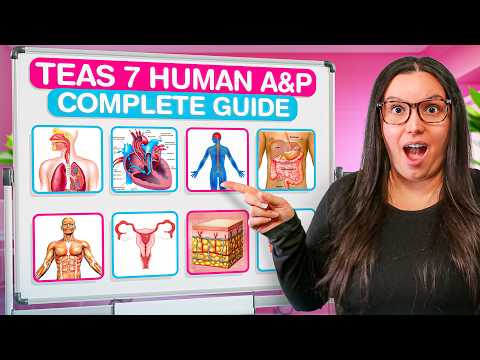
You know that moment when you trip over your own feet and wonder what the heck just happened? Yeah, it’s kind of wild how our bodies work, right? Like, there are all these systems and organs doing their thing without us even thinking about it. It’s almost like having a tiny orchestra playing inside you, while you’re just trying to make it through the day.
So, here’s the deal. Anatomy and physiology are basically your body’s backstage pass. They show you how everything fits together and why stuff functions the way it does. Ever been curious about why your heart races when you’re excited or how you can wiggle your toes but not your nose? Well, buckle up! We’re gonna explore this stuff in a way that makes sense without the boring textbook vibes.
It’s not just for science nerds either—trust me! Once you get into it, you’ll find that knowing what makes your body tick can seriously change how you see yourself. So grab a snack or whatever, and let’s chat about these fascinating fundamentals together!
Effective Strategies for Memorizing Anatomy and Physiology Terms in the Science Field
So you’re diving into the world of anatomy and physiology, huh? That’s a wild ride with all those complex terms and concepts thrown at you. But don’t sweat it! There are effective strategies that can totally help you memorize all that stuff. Let’s break it down in a way that makes sense.
First off, **chunking** is super helpful. Instead of trying to memorize everything at once, you break things into smaller groups. For example, if you’re learning about the heart, focus on the **atria**, then move to the **ventricles**, and finally tackle the **valves**. This way, your brain doesn’t feel overloaded.
You could also try using **mnemonics.** These are like little tricks or phrases to remember lists or concepts more easily. Say you’re trying to memorize the cranial nerves. A common mnemonic goes like this: “Oh, Oh, Oh, To Touch And Feel Very Green Vegetables, AH!” Each word starts with the same letter as a cranial nerve. Super handy!
Plus, don’t forget about visual aids! Creating **flashcards** can be a game changer. When I was cramming for exams back in school (you know how stressful that can be), I made cards with diagrams on one side and names/definitions on the other. It really helped my brain connect images with words.
Another killer strategy is teaching what you’ve learned to someone else. Seriously! When you explain concepts out loud—whether it’s to a friend or even just yourself—you reinforce your own understanding. It’s like solidifying that knowledge in your brain.
Also, looking for patterns in anatomy is key too. Like how certain body systems often work together—think nervous system alongside muscular system for movement! Noticing these connections can make memorization easier because it gives context to what might seem like random facts.
And let’s not forget about repetition! You’ve heard it before: practice makes perfect (well… almost perfect). Go over terms multiple times throughout your study sessions instead of cramming everything right before an exam.
Reading out loud has its perks too! Hearing things spoken can strengthen memory retention—a sort of auditory reinforcement if you will. Try saying those tricky terms aloud while looking at flashcards or notes; it really does wonders!
Lastly, creating a study environment that works for you cannot be overlooked! Find somewhere comfortable where you’re not easily distracted—like a cozy spot in your local library or even a quiet café if that’s your scene.
Remember though: everyone learns differently! Feel free to mix and match these strategies until you find what suits your style best.
So there you have it—a smorgasbord of ideas to tackle anatomy and physiology terms without losing your mind! Keep practicing all this creative stuff and you’ll find memorizing doesn’t have to be such a daunting task after all!
Evaluating the Difficulty of Anatomy and Physiology: Insights for Science Students
So, you’re thinking about anatomy and physiology, huh? Well, first off, it’s totally normal to feel a bit overwhelmed. These subjects can seem like a mountain of information. But let’s break it down together.
Anatomy is all about the structure of living things. Think of it as the parts list for a complex machine—like a car. You’ve got the engine (heart), the wiring (nervous system), and all those little bits that work together. It’s like trying to remember every single piece of Lego in your favorite set!
On the other hand, physiology is how those parts work—like how an engine runs and why the lights turn on when you start your car. It explains processes like breathing, digestion, and muscle contractions. This part can feel like trying to understand a magic show; there’s so much happening behind the scenes!
Now, when you mix anatomy and physiology together in class, it can feel like drinking from a fire hose. The thing is, you’re expected to learn not just what each part is but also how they interact with one another! That makes studying this stuff pretty challenging.
Here are some insights that might help you navigate through these difficult waters:
- Memorization Techniques: You’re gonna need some serious memorization skills. Flashcards? Yes! Mnemonics? Absolutely! These will be your best friends.
- Visual Learning: Take advantage of diagrams and models. Seeing where everything fits in real life makes it less daunting.
- Create Connections: Try linking concepts together—understanding how one system affects another makes everything click better.
- Ask Questions: Don’t hesitate to reach out to your teachers or classmates if you’re confused about something. There’s no shame in needing clarity!
And speaking from experience, I remember being completely lost during my first anatomy lab, staring at a cadaver with all these labels everywhere. But over time? It clicked! Everything fell into place when I started connecting what I learned with its real-world applications.
Now don’t forget about the importance of practice too! Grab any opportunity to join study groups or even teach someone else what you’ve learned; it helps reinforce the knowledge!
But hey, don’t get discouraged if things don’t make sense right away—it takes time! Stick with it because once those “aha!” moments start happening? They’ll make all that hard work worth every late-night study session.
So yeah, while both anatomy and physiology can be tough nuts to crack at first glance, breaking them down step-by-step will not only lessen the challenge but also make learning way more enjoyable!
Understanding the Core Principles of Anatomy and Physiology in the Field of Science
So, anatomy and physiology, huh? They’re like the dynamic duo of the human body. If anatomy is all about what things are—like bones, muscles, and organs—physiology tells us how those things work. It’s kind of like knowing the difference between a car’s engine and understanding how it drives on the road. You get me?
First off, anatomy can be broken down into two main branches: gross anatomy and microscopic anatomy. Gross anatomy is pretty straightforward; it deals with body parts you can see without a microscope. Think muscles, organs, and systems like your digestive system or circulatory system. Microscopic anatomy dives deeper into cells and tissues. It’s like peering through a window and looking at the fine details that make up everything you see!
Now let’s chat about physiology. This is where it gets really interesting! Physiology looks at how body parts function alone and together. For example:
- Your heart pumps blood to deliver oxygen.
- Your lungs help you breathe by exchanging carbon dioxide for oxygen.
- Your stomach breaks down food into nutrients your body can use.
The cool thing? Everything’s connected! Your heart needs oxygen to pump efficiently, which comes from what you breathe in through your lungs. If one part isn’t working right, you might feel off in many ways.
A neat little story: I once had a friend who got really curious about how exercise affects his body. He started running (yeah, just for fun!) and noticed he could breathe easier after a few weeks. That’s physiology in action! His heart became more efficient at pumping blood because his body adapted to the increased demand for oxygen during exercise.
The principle of homeostasis is also key here. Homeostasis is basically your body’s way of maintaining balance—like keeping your temperature around 98.6°F and making sure everything runs smoothly despite changes in your environment or activity levels.
An important point to remember is that both fields constantly interact with each other. For instance:
- If you’re cold, your muscles shiver to generate heat—a physiological response influenced by anatomical structure.
- If someone has an injury to a muscle or bone (anatomy), it might affect their movement or strength (physiology).
This connection highlights why understanding both subjects can help us improve health outcomes or innovate in medicine. Imagine being able to design better treatments based on knowing exactly how our bodies work!
The take-home message here? Anatomy gives you the pieces of the puzzle, while physiology shows you how those pieces fit together to create a living organism capable of amazing things! So next time you think about what makes up our bodies or how they function, remember that it’s all linked—complex yet fascinating!
You know, when you think about anatomy and physiology, it’s easy to get lost in all those fancy terms and complicated diagrams. Like, what even is a mitochondrion? But really, it’s all about understanding how our body works. And that connection can spark some serious curiosity, right?
Let me take you back to a time in high school when I was soaking up everything in biology class. There was this one day we had a lab with actual organs from pigs. Yeah, I know—it sounds gross! But honestly? It was super cool. As we got hands-on with those organs, I realized how amazing the human body is. Each part has its own role, like a team working together to keep us alive. The heart pumping blood, the lungs drawing in air… it’s like an orchestra playing a symphony!
When we talk about anatomy — that’s just the structure of our bodies — and physiology is how those structures work together. You’ve got muscles contracting to move your limbs or neurons firing off signals so you can think and feel. It’s mind-blowing! Seriously.
So here’s the thing: engaging with these fundamentals isn’t just for future doctors or scientists; it impacts all of us. Ever felt your heart race before taking an exam? That’s your autonomic nervous system getting into gear because you’re stressed! Or when you eat something that doesn’t sit right and you end up feeling bloated? Yeah, now we’re talking physiology.
Connecting these dots helps us understand our own health better—like knowing why sleep is crucial or why exercise makes us feel good physically and mentally. Plus, when you’re out there chatting with friends or even debating health topics on social media, having this knowledge gives you confidence.
And while diving into textbooks might seem overwhelming at times, let’s not shy away from that complexity! Instead of turning away from all the sciencey stuff because it seems too much—it can actually be pretty empowering to learn about how we function.
So next time you find yourself curious about your body—maybe after a workout or even during a cozy meal—don’t just brush it off as trivial stuff. Embrace those questions! Anatomy and physiology aren’t just subjects; they are the groundwork for understanding what makes us tick—and that’s pretty special if you ask me.