Hey, did you know that your brain is like a super complex Wi-Fi router? Seriously! It’s constantly sending and receiving signals, connecting everything in your body. Crazy, right?
And let’s be real—most of us don’t think about our brains until we misplace our keys or forget why we walked into a room. But there’s so much more happening up there!
The thing is, understanding brain anatomy doesn’t have to be all stuffy and boring. You can totally wrap your head around it (pun intended) while having fun at the same time.
So, whether you’re genuinely curious or just need an excuse to impress friends at parties, let’s break it down together. Grab a comfy seat, and let’s get into the wild world of brain anatomy!
Understanding Brain Parts and Their Functions: A Comprehensive Guide to Neuroanatomy in Science
Alright, let’s talk about the brain! You know, that squishy mass of cells in your head that makes you, well, you? Understanding its parts can seem a bit daunting, but once you break it down, it’s pretty cool. So grab a snack or something and let’s just jump into neuroanatomy!
The Basic Structure
Your brain isn’t just one solid piece; it’s divided into several parts. Each part has its own job. Think of it like a bustling city with different neighborhoods.
- Cerebrum: This is the biggest part of your brain and is split into two halves called hemispheres. It controls things like thinking, learning, and emotions. The left side is often linked to logic and reasoning while the right side deals with creativity.
- Cerebellum: Located at the back of the brain, this little guy is all about coordination and balance. It helps you do things like ride a bike without falling over!
- Brainstem: This part connects your brain to your spinal cord and controls basic survival functions like breathing and heart rate. It’s super important because without it… well, you wouldn’t be alive.
The Lobes of the Brain
Now within the cerebrum, we have lobes! Yeah, think of them as neighborhoods within that big city I mentioned earlier.
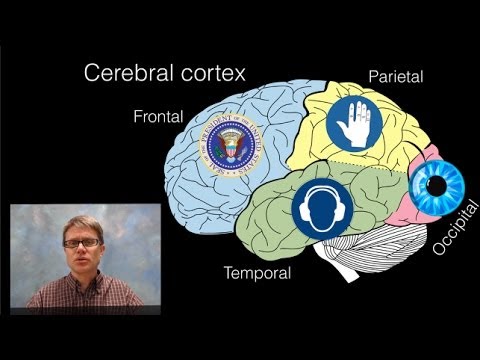
- Frontal Lobe: This lobe is at the front—makes sense, right? It’s involved in decision making, problem-solving, and controlling behavior. Sometimes when people say “think before you act,” they’re talking about this lobe doing its job.
- Parietal Lobe: Located on top of your head, this lobe processes sensory information like touch and temperature. Imagine feeling the warmth of a sunny day—that’s your parietal lobe at work!
- Temporal Lobe: Situated near your ears, this lobe plays a key role in hearing and memory. Remember that song stuck in your head? Thank your temporal lobe for bringing those memories back!
- Occipital Lobe: Found at the back of the brain, it’s all about vision. This is where all that visual information gets processed—like seeing colors or shapes.
One Cool Connection: The Hippocampus
Now here’s something super interesting! Within some lobes sits a vital structure called the hippocampus. It looks kind of like a seahorse (hence its name). This little formation is crucial for forming new memories!
I remember studying for exams back in college—if I didn’t engage my hippocampus properly through repetition or association techniques (like making silly mnemonics), I would totally forget stuff on test day!
The Role of Neurotransmitters
Okay, so we’ve covered the structure; now let’s look at what makes these parts talk to each other—neurotransmitters! These are chemicals in our brains that transmit signals from one neuron to another.
Have you ever felt really happy or really sad? Exciting stuff happening there! Neurotransmitters such as dopamine (the feel-good chemical) can play significant roles in how we feel and behave.
- Dopamine: Known as the reward chemical; it’s linked to pleasure and satisfaction.
- Serotonin: This one helps regulate mood—enough serotonin can lead to happiness!
- Norepinephrine: Plays a role in stress responses; when you’re stressed out from studying for final exams (again!), norepinephrine kicks into gear.
So there you have it—an overview of our fascinating friend up there inside our skulls! Your brain is more than just an organ; it’s an amazing network working every second to keep us functioning and thriving.
Understanding these parts not only gives insight into how we think but also aids us in understanding conditions that might affect us or someone we know someday. Always remember: next time you ponder over life decisions or read an intriguing novel—it’s all thanks to those intricate pieces working in harmony up there!
Comprehensive Brain Anatomy PDF: Essential Insights for Neuroscience and Psychology Studies
Sure thing! So, let’s chat about brain anatomy, shall we? The human brain is like this incredibly complex puzzle. Each piece has its own special role, and they all work together to make us who we are.
The Basics of Brain Structure
First off, the brain is divided into several parts. You’ve got the cerebrum, which is the largest part. It controls things like thought processes and voluntary movements. It’s also where your personality hangs out! Next up is the cerebellum, responsible for coordination and balance—like when you’re trying to dance at a party and not trip over your own feet.
Then there’s the brainstem, which connects the brain to the spinal cord. It handles pretty much everything automatic, like breathing and heart rate. Imagine if you had to consciously remember to breathe every minute! Yikes!
Lobes of the Brain
The cerebrum gets divided into four lobes:
Each lobe has its own specialties but can’t work alone—they rely on each other to create a complete picture of experience.
Cortex and Subcortex
Now onto something a bit more technical: the cerebral cortex. This outer layer of the cerebrum is super important for processing information. It’s made up of layers of neurons that help with high-level functions like language and consciousness.
But don’t ignore what lies beneath—that’s where the subcortical structures come in! These include parts like the thalamus (which acts as a relay station for information), hypothalamus (regulating sleep, hunger, and hormones), and amygdala (involved in emotions). They’re like backstage crew members—essential but often unnoticed!
The Importance of Brain Anatomy in Neuroscience
Understanding brain anatomy isn’t just a fun fact; it seriously matters for fields like neuroscience and psychology. If you’re studying how disorders affect behavior or cognitive function, knowing which regions are involved can really help explain why things happen.
For example, if someone has damage in their frontal lobe due to an injury or stroke, they might struggle with impulse control or decision-making. Knowing this helps researchers develop targeted therapies.
Anecdote Time!
So once I was chatting with a friend who was studying psychology. She was fascinated by how different parts of our brains impact our behaviors—I mean who wouldn’t be? We compared notes on our learning experiences about how emotions link back to specific areas in the amygdala—and let me tell you! It was mind-blowing stuff! Just goes to show how much our emotions are tied up with these tiny clusters of neurons.
In short, knowing about brain anatomy gives you crucial insights whether you’re diving into neuroscience or psychology studies or just trying to understand yourself better as a human being! It helps paint a clearer picture so you can appreciate just how amazing this organ really is.
So next time you think about all that happens in your noggin’, remember there’s an intricate structure behind it all that keeps everything running smoothly. Keep exploring—your journey through brain anatomy has only just begun!
Comprehensive Brain Anatomy Chart: Functions of Key Brain Regions Explained
Sure! Let’s take a peek into the wonderful world of brain anatomy. You might think, “Why should I care about the brain?” Well, it’s basically the command center of your body! Understanding its regions helps us grasp how we think, feel, and move. So, here’s a breakdown of some key brain regions and their functions.
Cerebrum: This is the largest part of your brain, making up about 85% of its weight. It’s divided into two halves—left and right hemispheres. Each side is responsible for different functions. The left side usually handles language and logic, while the right side takes care of creativity and spatial awareness.
Cerebral Cortex: Think of this as the outer layer of the cerebrum. It’s like a wrinkly blanket covering everything. The cortex is involved in higher-level functions such as reasoning, problem-solving, and planning. It has four main lobes:
- Frontal Lobe: Located at the front; it controls decision-making and impulse control.
- Parietal Lobe: On top; it processes sensory information like touch and temperature.
- Temporal Lobe: On the sides; it’s crucial for hearing and memory.
- Occipital Lobe: At the back; it deals with visual processing.
Cerebellum: Located under the cerebrum, this little guy plays a huge role in coordination and balance. It helps you perform smooth movements—like riding a bike or even just walking without tripping over your own feet!
Brainstem: This is like your brain’s survival center. It controls basic life functions: breathing, heart rate, and blood pressure. The brainstem connects to your spinal cord so that messages can travel between your body and brain.
Limbic System: This area is all about emotions! It includes structures like the amygdala (which deals with fear) and hippocampus (essential for memory). Ever felt that rush of nostalgia when you hear an old song? That’s your limbic system at work!
Now there’s something really interesting happening: all these areas are connected by millions of nerve fibers that send messages back and forth faster than you can blink! The communication between these regions is what makes us who we are.
You know what? A lot can go wrong if any part of this intricate system isn’t working properly. It could result in conditions like Alzheimer’s or Parkinson’s disease affecting movement or memory.
So next time you’re thinking or feeling something intense—maybe even just daydreaming about lunch—remember there’s a wild party happening inside your skull! Each region has its role to play, working seamlessly together to make sense of our world.
Understanding **brain anatomy** doesn’t just satisfy curiosity; it opens doors to appreciating what makes us human: thought, emotion, interaction… all brought together by an extraordinary organ sitting right up there in your head!
So, let’s chat a bit about the brain. You know, that squishy mass of gray and white matter sitting snugly in our skulls? It’s kinda like the control center of everything we do, feel, and think. When you really stop and think about how complex it is, it’s honestly mind-blowing.
A while back, I was watching this cool documentary on neuroscience—it showed a brain in action. Images of neurons firing and sending signals to each other popped up on screen like a fireworks show. It hit me just how intricate this whole system is. Seriously, there are roughly 86 billion neurons in an adult brain! That’s a lot of connections! Can you imagine? Each one talking to thousands of others—like an endless party where everyone’s trying to communicate at once!
Let me break down some of the basics for you. The brain has different parts with specific jobs, right? The cerebrum is the largest part and it handles things like movement, speech, and problem-solving. It’s divided into left and right hemispheres which control opposite sides of your body—pretty neat! Then there’s the cerebellum hanging out at the back; it’s all about coordination and balance. That’s why when you’ve had a couple too many drinks, your cerebellum can give you away when you stumble or sway.
And let’s not forget about the brain stem! This part is kind of like your body’s autopilot—it controls basic functions like breathing and heart rate without us even thinking about it. I mean come on—how incredible is that? Your brain works 24/7 behind the scenes while you’re just chillin’ out.
Thinking back to that documentary, they mentioned how researching brain anatomy can actually help us understand diseases better. Like Alzheimer’s or Parkinson’s—conditions that really affect how we live our lives. Getting inside the nitty-gritty of what goes wrong offers hope for treatments or even cures someday.
But here’s something that’s always amazed me: despite all our advances in understanding this organ, there are still mysteries left to unravel! Studies continue to pop up every year shedding light on everything from consciousness to memory formation.
So yeah, while it might seem overwhelming at first glance—it can feel like trying to figure out an incredibly complex puzzle—the more we learn about brain anatomy, the more we realize its impact on who we are as people . And honestly? That journey into understanding our very own gray matter feels kinda special, don’t you think?