You know, the brain is a pretty wild thing. It’s like our own personal control center, but way more complicated than your phone or even a spaceship! Seriously, did you know it has about 86 billion neurons chatting away in there? Talk about a busy place!
Now, when we look at our heads, we see hair, maybe a fancy hat, but what’s really going on inside is just mind-blowing. If you’ve ever had an MRI or CT scan, you might’ve seen images of this jigsaw puzzle of lobes and structures. They’re not just there for decoration; they have super important jobs!
There’s the cerebral cortex doing its thing with thinking and planning. And the cerebellum? That’s all about balance and coordination. So cool! It’s like having a whole team of specialists running your daily operations.
In this little adventure through CT Brain Anatomy, we’re gonna break down these structures and what they actually do without getting too deep in the science weeds. We’ll keep it light and easy to digest—just like your favorite snack! Ready? Let’s peek inside that amazing noggin of yours!
Understanding CT Scans: Insights into Brain Structure vs. Function in Neuroimaging
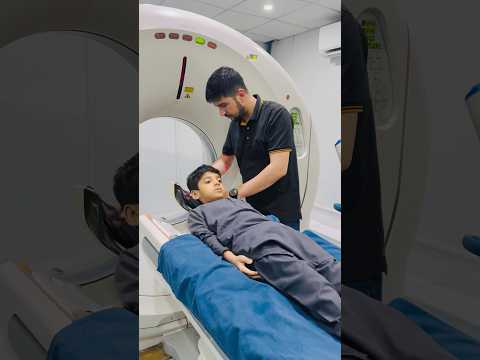
So, let’s talk about CT scans. You know, the fancy machines that help doctors look inside your body without needing to cut you open? When it comes to the brain, they’re like magical windows that give us a peek into its structure and function. Pretty neat, huh?
First up, what exactly is a CT scan? It stands for Computed Tomography, and it uses X-rays to take multiple images of your brain from different angles. These pictures are then processed by a computer to create detailed cross-sectional images or slices of your brain. It’s like slicing a loaf of bread but way cooler!
Now, when we focus on brain structure, we’re talking about what the brain looks like—like its size, shape, and how things are organized. For instance, you can see where the different parts of the brain are located: the frontal lobe at the front for thinking and decision-making; the occipital lobe at the back for vision; and everything in between.
Here’s where things get interesting: while CT scans provide amazing structural details, they’re not so great at showing how those structures work together in real time. That’s where we get into brain function. Functional imaging techniques like fMRI (Functional Magnetic Resonance Imaging) come into play here. They show us what parts of the brain are active during different tasks; basically highlighting how those tidy structures do their jobs.
Imagine you’re solving a puzzle. The CT scan gives you a clear picture of all the puzzle pieces—the shapes and colors—but to see which pieces you’re actually using at any given moment while figuring things out, you’d need something like fMRI! So yeah, each technique has its strengths.
When thinking about CT scans specifically for neuroimaging—what they can reveal about neurological disorders is pretty crucial too. For example:
- Identifying tumors: A CT scan can help pinpoint where a tumor is located in the brain.
- Detecting bleeding: If someone experiences head trauma, a CT scan can quickly show any internal bleeding.
- Assessing structural abnormalities: Conditions like hydrocephalus (fluid buildup) can be visualized clearly.
I once stood beside a friend who was nervous about getting their first CT scan after an accident. I told them it’d be fine—just lying there while this big machine spun around them! But inside my head was racing with all these thoughts about how much information that machine could uncover about their injury.
So as cool as CT scans are for understanding how our brains are structured and even diagnosing issues—it’s important to remember they’re just one tool in our toolbox of neuroimaging techniques. They don’t measure how well everything operates together; they just give us a snapshot of what’s happening inside our noggins.
In short, if you’re considering all this neuroscience stuff: think of it as having two superpowers—the ability to see both structure with those crisp CT images and function through other methods like fMRI! Pretty awesome when combined to give healthcare professionals deeper insights into what makes us tick—or maybe I should say “think”?
Exploring the Connection Between Brain Anatomy and Function: Insights from Neuroscience
Exploring the Connection Between Brain Anatomy and Function
So, when you think about your brain, it’s pretty mind-blowing how this squishy organ is behind everything you do. Seriously! From remembering your childhood pet’s name to figuring out what to have for dinner, all those decisions are thanks to the complex interplay between brain anatomy and function.
The Basics of Brain Anatomy
First off, let’s break down the brain a bit. It’s divided into several regions, each with its own special job. You’ve got the cerebrum, which is the largest part and is associated with higher functions like thinking and action. Inside the cerebrum are two hemispheres—the left and right—each controlling different parts of your body and helping you with various tasks.
- The frontal lobe takes care of decision-making, problem-solving, and planning.
- The parietal lobe helps integrate sensory information.
- The occipital lobe manages vision.
- The temporal lobe is key for hearing and memory.
It’s kind of like a symphony where each instrument has its unique role but works together to create beautiful music. If one part isn’t playing right, it can throw off the entire performance.
Neuroscience Insights
Neuroscience digs deep into understanding how these different areas talk to each other. You can think of neurons as tiny messengers that send signals throughout your brain. They connect at points called synapses, where they pass information along. This communication forms networks that work together for various functions!
For instance, did you know that damage to specific areas can affect things differently? Like if someone injures their frontal lobe in an accident, they might struggle with impulse control or decision-making. It’s wild how each little piece plays such an essential role!
Brain Imaging Techniques
One cool way scientists study all this is through brain imaging techniques like CT scans or MRIs. These tools help visualize brain structure in real-time so doctors can see if there are any weird bumps or holes where there shouldn’t be. Imagine looking at a 3D model of a city; you’d see exactly which buildings are standing tall and which ones have crumbled.
This is especially useful in understanding conditions like strokes or tumors. For example, a CT scan can clearly show if there’s swelling or bleeding in the brain—super handy for getting timely treatment!
Linking Structure to Function
You may wonder why knowing this connection matters in real life? Well, understanding how different structures affect behavior opens doors for treatments of mental health issues or neurological disorders. If scientists figure out what’s happening in certain brain areas during depression or anxiety, they can develop therapies that target those specific regions.
Also think about neuroplasticity! This is the brain’s incredible ability to change based on experiences. When you learn something new—like playing guitar—you’re actually reshaping connections within your brain! It shows that even though some parts may seem rigid in structure initially, they can adapt based on function.
Your Brain: A Work in Progress
So next time you’re pondering life’s big questions or just trying to remember where you left your keys, remember: it all comes back to how beautifully complex our brains are! They’re not only responsible for thoughts and actions but also reflect our personal journeys as we learn and grow through experiences.
The connection between brain anatomy and function isn’t just academic—it influences every moment of our lives! Understanding it makes us appreciate just how remarkable our minds really are.
Understanding the Most Common Indications for Brain CT Scans in Clinical Practice
- Trauma: One of the most common reasons people get a CT scan of their brain is after a head injury. Think about it: when someone takes a hard hit to the head, doctors need to check for any bleeding or swelling. A CT scan gives a quick view of whether everything’s okay or if there are any serious problems, like fractures in the skull.
- Stroke: When someone has signs of a stroke, like sudden weakness or trouble speaking, time is super important. CT scans help doctors see if there’s bleeding in the brain (a hemorrhagic stroke) or if blood flow has been blocked (an ischemic stroke). This info is vital for decisions on treatment.
- Headaches: So, you’ve got this headache that just won’t quit. Sometimes, docs might recommend a CT to rule out anything serious going on, like tumors or bleeding. It’s not always the first step but can be really helpful when headaches are new and don’t respond to regular treatments.
- Infection: Conditions such as meningitis, which is an infection of the protective membranes covering the brain and spinal cord, can lead to severe symptoms. In these cases, a CT scan helps quickly determine if there are complications like abscesses or significant swelling.
- Tumors: If there’s suspicion of brain tumors—due to symptoms like unusual seizures or persistent headaches—a CT scan can help visualize what’s going on. It provides clear images that show the size and location of any masses.
- Cerebral Hemorrhage: Sometimes people experience sudden severe headaches with no known cause—this could be due to bleeding in the brain from a ruptured aneurysm. A CT scan helps identify where the bleeding is and its extent.
So basically, while you might think of them as just fancy X-rays that look at your insides, CT scans actually play a huge role in figuring out what’s up with your brain when things go haywire. They are quick and give detailed images that help medical professionals make important calls about treatment.
Even though they might sound scary at first—after all, who wants to get zapped by radiation?—the whole process is pretty straightforward and generally safe. The key point here is that these scans are crucial tools in diagnosing many conditions affecting our most vital organ: our brains!
You know how sometimes you hear stories about how quick action can save lives? Well, that’s exactly what these scans do—they help doctors act fast when every second counts!
When you think about the brain, it’s like diving into a whole universe, right? I mean, just picture it: this incredible, squishy mass sitting inside your skull, controlling pretty much everything you do. You know, from the simplest tasks like blinking to creating complex thoughts or emotions. It’s amazing!
Now, let’s talk about CT scans. They’re those fancy imaging tools that help us peek inside our heads without actually opening them up. Seriously though, when you see a CT image of the brain, it’s like looking at a detailed map of a hidden land. You spot different structures and learn how they work together to keep everything running smoothly.
You might be wondering what we see on these scans. Well, there’s the gray matter—the outer layer where most of our brain cells are hanging out. It’s kind of like the brain’s headquarters for processing information. Then there’s white matter underneath that connects different parts of the brain and helps communicate signals faster. Imagine the gray matter as a bustling city center while the white matter is like all those highways connecting neighborhoods together.
But here’s where it gets really cool: each part of your brain has its own specialty! The frontal lobe? That’s your decision-making HQ and personality zone. The temporal lobe? Well, that’s where memories and sounds hang out. And don’t forget about the occipital lobe—it’s all about visuals! It blows my mind how these separate sections work in harmony to create who we are.
I remember when I first learned about this stuff in school; my mind was racing with all these possibilities. Like, wow, if something goes wrong in one area due to an injury or illness, it can impact other functions too—like losing certain memories or having trouble moving parts of your body. Just thinking about that connection makes me appreciate the complexity of our brains even more!
In essence, understanding CT brain anatomy gives us insights not just into structure but also into how those structures perform vital functions that keep us going every day. It reminds us that every thought we have and every action we take is deeply intertwined with this fantastic organ tucked away in our skulls.
So yeah—whether it’s figuring out why someone struggles with focus or what happens after an injury, getting to know our brain’s anatomy helps unlock mysteries too! How wild is it knowing there’s so much going on up there?