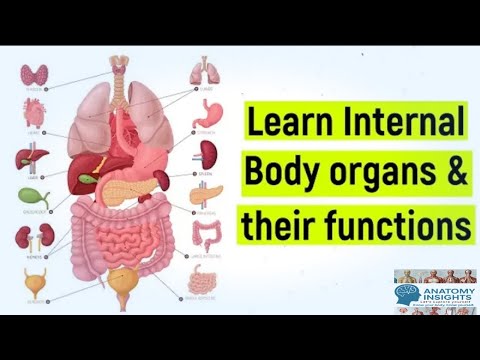
You know what’s wild? Your body is like a super complicated machine, and no one gave you a manual. Seriously, think about it. You’ve got bones, muscles, organs—each doing their own thing while you just go about your day. Like, how does your heart just keep pumping without you telling it to? Mind-blowing!
I remember once tripping over my own feet while trying to impress someone with a cool dance move. Instead of tearing something important (thank goodness!), I just ended up laughing at myself and thinking about how my body held up through that chaos. That’s anatomy in action!
So let’s chat about how this amazing structure of ours works. You’ll be surprised at how much there is to learn about you—you know, the way your body moves, reacts, and functions every single day. Cool stuff ahead!
Exploring the Interrelationship Between Structure and Function in Anatomy: Implications for Biological Sciences
So, let’s talk about something super cool in the world of biology: the way structure and function are totally best friends in anatomy. Seriously, they go hand in hand like peanut butter and jelly. You see, when we look at living things—like, say, humans—their anatomy is all about how their parts are organized and how they do what they do. This relationship can tell us a lot about how our bodies work.
First off, think about your cells. These tiny building blocks have a specific structure that directly relates to their function. For instance:
- Your skin cells are flat and layered to protect you from the outside world.
- Nerve cells have long extensions that help transmit signals quickly, almost like wires carrying electricity.
This idea doesn’t stop at cells; it extends to organs too. Take the lungs, for example. They’re structured with millions of tiny air sacs called alveoli. This design increases the surface area for gas exchange—so oxygen can get into your blood while carbon dioxide can escape. It’s all about efficiency!
And then there’s the heart. It’s got a unique four-chamber structure that lets it pump blood effectively throughout your body. Each chamber has its job: some receive blood while others send it out. If you mess with that structure—like if someone has a heart defect—it can seriously affect how well your body gets oxygenated blood.
Now let’s get a bit more technical for a sec! Have you heard of the term “biodiversity”? It refers to how many different types of living organisms there are on Earth. Structure-function relationships play a big role here too! For example:
- Carnivorous plants like the Venus flytrap have hinged leaves that snap shut to catch unsuspecting insects.
- A giraffe’s long neck helps it reach high leaves, but it’s also supported by unique vertebrae structure to hold that weight safely.
This whole structure-function thing isn’t just fascinating; it also has real-world implications in biological sciences. By understanding how things are built and operate together, scientists can:
- Develop better medical treatments by targeting specific structures in diseases.
- Create more effective prosthetics by mimicking natural structures and their functions.
I mean, whenever I think about this stuff, I can’t help but feel amazed! It’s like figuring out a complex puzzle where every piece matters. Like once I read this story about a scientist who designed an artificial heart valve inspired by natural heart structures—it was mind-blowing!
Your body is pretty much an incredible machine where every part is designed just right for its job, you know? By exploring these connections between structure and function in anatomy, we unlock so many possibilities for understanding life itself—and improving health outcomes along the way.
So next time you think about anatomy, remember: it’s not just about what things look like but why they’re shaped that way! That connection is where all the magic happens!
Anatomy: The Scientific Study of Human Body Structure and Function
Sure! Let’s chat about anatomy, which is like the ultimate backstage pass to the human body. It covers how our bodies are built and how everything inside works together. So, grab a seat and let’s break it down!
What is Anatomy?
Anatomy is basically the study of the structure of living things. In this case, we’re focusing on humans. This means looking at bones, muscles, organs—you name it! It’s like peeling back layers to see what keeps us ticking.
Two Main Branches
There are two big categories in anatomy: Gross anatomy and Microscopic anatomy. Gross anatomy looks at parts you can see without a microscope—like your heart or stomach. In contrast, microscopic anatomy dives into cells and tissues, which you can’t see unless you’ve got some fancy equipment.
The Basics: Body Systems
Here’s where things get really interesting. The human body has several systems that all work together:
So yeah, everything’s connected in some way or another!
A Quick Anecdote
I remember when my friend got a nasty cut on his arm during a camping trip. While we were patching him up, I thought about how wild it was that even though his skin was hurt—protecting the insides was still working fine! That’s anatomy in action; it helps us understand how our bodies respond to injury.
Why Does It Matter?
Knowing how our bodies work helps in many ways—like understanding diseases or injuries better. For example, if someone has digestive issues, knowing about the digestive system can guide doctors on what might be wrong.
Anatomy vs Physiology
Although closely related, anatomy isn’t quite the same as physiology. Anatomy focuses more on “what” structures are there, while physiology dives into “how” these structures function together to keep us alive.
In summary, studying human anatomy gives you an appreciation for just how complex yet beautifully organized our bodies really are! Whether you’re curious about how muscles contract or why we need bones to stand—there’s always something new to discover! So next time you’re thinking about what makes you tick, remember there’s a whole science behind every heartbeat and breath!
Exploring Structure and Function Relationships in the Human Body: Insights from Anatomy and Physiology
The human body is like a finely tuned machine, where every part plays a unique role and works together to keep us alive and kicking. Anatomy and physiology are two sides of the same coin when it comes to understanding how we function. Anatomy looks at the structure of our bodies, while physiology deals with how those structures work.
Take, for example, your heart. The heart is a muscular organ – you know, that thing that’s about the size of your fist? It’s got four chambers: two atria and two ventricles. So basically, the right side receives deoxygenated blood from your body and sends it to the lungs for a nice oxygen boost. Then the left side pumps oxygenated blood out to all your organs and tissues. The cool part? The way these chambers are structured ensures efficient blood flow—like having well-designed highways for your blood.
Another fascinating example can be found in our bones. Bones provide support and structure—they give our bodies shape and protect our organs—like how your skull keeps your brain safe. But here’s the kicker: bones are also living tissues! They’re constantly being broken down and rebuilt by cells called osteoblasts and osteoclasts. This remodeling keeps them strong enough to handle all the wear and tear from daily life.
Moreover, let’s talk about muscles for a moment. Skeletal muscles, which you control consciously, are made up of long fibers that can contract, allowing you to move around with grace (or not so much sometimes!). Those fibers are packed with myofibrils, which contain even tinier units called sarcomers. These are where the magic happens—when muscle fibers contract during activities like running or lifting weights.
Then there’s the nervous system, which is essentially your body’s communication network. Neurons send signals through electrical impulses that travel faster than you might think! This allows you to react quickly when something scares you or when you touch something hot—it’s all about survival!
And finally, we’ve got one more player in this intricate dance: our organs work together in systems—like the digestive system—which breaks down food into nutrients; each organ has a specific structure that fits its function perfectly. For example, let’s look at your stomach; it has thick muscular walls that crush food into smaller pieces while acids break it down further.
So yeah, anatomy and physiology really illuminate how structure relates to function throughout our bodies—everything’s interconnected! Next time you think about how awesome human biology is, remember that each piece has its part to play in keeping us healthy and functioning well together! Every cell in this amazing system comes together so we can walk around on two legs… or just binge-watch Netflix without moving for hours!
You know, human anatomy is like this incredible story of how our bodies are put together. It’s kind of mind-blowing when you think about it! Each part, from the tiniest cell to the major organs, plays a role in who we are and how we function. If you ever took a moment to really feel your heartbeat or notice how your fingers move, then you kind of understand this interconnected marvel.
I remember when I was a kid, I got this really cool model of a human body for my birthday. The kind you can take apart and put back together. I was obsessed! I spent hours figuring out where everything went. It was like piecing together a jigsaw puzzle but way more fascinating because it was about… well, me! Seeing the heart, lungs, and even those squishy intestines made me appreciate how all these structures work together.
Our bones, for example, aren’t just there to provide shape; they protect our organs and give us the ability to move around. You have these amazing joints that let you run, jump, and dance—you name it! Meanwhile, your muscles pull on those bones to make it all happen. It’s this beautiful harmony of structure and function.
And let’s not forget about our skin! It’s often taken for granted but your skin is the largest organ you’ve got! It shields us from all kinds of things—like germs or UV rays—and helps control temperature too. How wild is that?
Learning about anatomy opens up doors to understanding what makes us tick—literally! And sometimes when things go haywire in our bodies, knowing a bit about anatomy can help make sense of it all. Like when you get that pesky cramp during a marathon or the fun fact that laughter actually triggers certain muscles in your abdomen.
So yeah, digging into human anatomy isn’t just some dry science lesson; it’s more like uncovering the layers that make up who we are as humans. It’s an ongoing journey of discovery—it never gets old! And who doesn’t want to know more about their own body? It’s pretty cool if you ask me!