Imagine picking apart a fruit salad, trying to find just one blueberry hidden in a sea of strawberries and bananas. Sounds tough, right? Well, that’s kind of what scientists deal with in the world of cells.
Single nucleus sequencing is like having a magical tool that lets researchers zoom in on that blueberry — but instead of fruit, they’re unraveling the secrets of our genes.
You know how we used to think that understanding DNA was just about finding out who’s related to whom? Well, it’s way beyond that. This tech is opening doors to understand diseases, aging, and maybe even why you can’t stop binge-watching shows late at night!
So, if you’ve ever been curious about how our cells communicate or why one person reacts differently to a drug than another, stick around. This is where science gets seriously cool!
Advancements in Single Nucleus Sequencing: Innovations and Applications in Genomic Research
So, let’s chat about this cool stuff called single nucleus sequencing. It’s a relatively new technique in the world of genomics that’s shaking things up big time! Basically, it lets scientists peek into individual cells without the usual hassle of working with whole tissues. This is super important because, you know, not all cells are the same. They have different jobs and functions, so understanding them separately can really change the game.
One of the biggest advancements in this field is the ability to analyze gene expression on a single-cell level. What does that mean? Well, each cell has a unique set of genes that it turns on or off depending on its needs. By focusing just on one nucleus at a time, scientists can see how these genes are behaving in various contexts—like during disease or development. You follow me?
Another cool thing is how it helps us understand complex tissues better. Think about your brain: it’s made up of loads of different cell types that work together but can act very differently from each other. With single nucleus sequencing, researchers can identify specific populations of neurons and study how they connect and communicate within the intricate web of the brain! This could lead to breakthroughs in understanding conditions like Alzheimer’s or Parkinson’s disease.
But there’s more! This technique also plays a crucial role in cancer research. Tumors aren’t just a mass of identical cancer cells; they’re super diverse. So by analyzing individual nuclei from different cancer cells, researchers can discover which mutations are present and how they help those cells survive and thrive. It’s like flipping through different pages of a book instead of reading just one page over and over again!
Now, let’s talk about innovation in methodology. Recent advancements have made single nucleus sequencing more accessible, which means more labs can jump on board and start digging into their own research questions. Newer technologies are allowing quicker processing times and greater accuracy, making it easier for scientists to interpret their data without getting bogged down by complexity.
To sum things up: single nucleus sequencing is all about diving deeper into biology at an unprecedented scale. It reveals secrets locked inside individual cells. And who knows? The next time you hear about groundbreaking discoveries in medicine or genetics, there might be a little bit of magic from single nucleus sequencing behind it!
So yeah, if you’re interested in where genomics is headed, keep an eye out for what comes next with these exciting tools—because we’re only scratching the surface here!
Advancements in Single Nucleus Sequencing: Transforming Genomic Research Techniques
So, let’s talk about single nucleus sequencing (SNS), which is making some serious waves in genomic research. This nifty technique allows scientists to dive deep into the world of genetics, but instead of examining whole cells, they’re focusing on just one nucleus at a time. And you might be wondering why that’s such a big deal. Well, it turns out that studying individual nuclei can reveal a ton of information about how genes are expressed in different cell types.
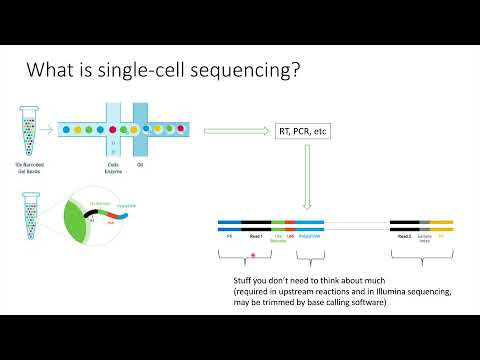
First off, **what exactly is single nucleus sequencing?** Basically, it’s a method where scientists isolate individual nuclei from cells and sequence the DNA or RNA inside them. This is super helpful because tissues are often made up of various cell types that behave differently. By looking at single nuclei instead of bulk samples, you can see the distinct genetic expression patterns across those cells.
Now, let’s get to why this is changing the game for researchers:
- Cellular Diversity: SNS helps scientists uncover the diversity within tissues. For instance, in brain research, you could identify various neuron types and see how they’re functioning differently.
- Early Disease Detection: With SNS, researchers can spot early signs of diseases like cancer by observing mutations or abnormal gene expressions in specific cell types.
- Developmental Biology Insights: It sheds light on how cells differentiate during development by comparing gene expression in different stages and cell types.
I remember reading about a study involving heart tissue that used single nucleus sequencing to find out how different cardiac cells reacted under stress. They discovered that some heart cells were more resilient than others when faced with high pressure or damage. That really showcased how this method can lead to breakthroughs in understanding diseases like heart failure.
But there’s more! The technology has gotten better over recent years thanks to advancements in both hardware and software. Here are some key developments:
- Improved Sensitivity: New tools are being developed which allow for higher sensitivity when capturing low-abundance transcripts—this means even rare cellular signals can be picked up.
- Higher Throughput: It’s now possible to analyze thousands of nuclei quickly, speeding up research significantly.
- Integration with Other Techniques: SNS can be combined with other technologies like spatial transcriptomics to give even richer insights about where those genes are active within tissue architecture.
So many labs are shifting towards using SNS not just because it’s trendy but because it gives them powerful insights into biological questions that were really tough to tackle before.
To wrap things up: Single nucleus sequencing isn’t just changing genomic research; it’s transforming our understanding of biology at its core! As we continue to hone these techniques and push their boundaries even further, who knows what amazing discoveries lie ahead? It’s definitely an exciting time for science!
Advancements in Single Nucleus Sequencing: Transforming Genomic Research in 2022
Single Nucleus Sequencing (SNS) has seriously shaken up the field of genomics lately. Instead of looking at whole cells, researchers are zooming in on individual nuclei. Why? Well, because every nucleus can tell a unique story about its cell, and when you add all those stories together, you get a much clearer picture of how tissue functions and what goes wrong in diseases.
One big leap in 2022 was the development of more refined techniques that allow scientists to capture and analyze nuclei with greater accuracy. This means they can now isolate single nuclei from complex tissues—think brain or heart tissues—and sequence their genomes without losing valuable information during the process. Pretty impressive, right?
Here’s where it gets even cooler: SNS helps you uncover details about gene expression directly from those nuclei. Like, if a certain gene’s turned on or off in different cells of a tissue, you’d want to know that! Technologies like 10x Genomics’ Chromium system have made it easier than ever to do this kind of work.
- Precision: The advancements have led to better precision in determining which genes are active in various cell types.
- Cellular Diversity: Researchers can study cellular diversity in tumors, revealing subpopulations that might be resistant to treatment.
- Mapping Development: SNS is also being used to track how cells develop over time, shedding light on processes like neurogenesis.
Imagine a researcher trying to understand Alzheimer’s disease. By using SNS, they could distinguish between healthy and diseased neurons at a nuclear level. This allows them to identify specific genetic changes that happen as the disease progresses. It’s like finding hidden clues in a detective story!
Now think about applications outside basic research too! In personalized medicine, for instance, understanding how individual patient cells react can change the way treatments are developed or chosen.
But let’s not forget challenges—there are still hurdles with data analysis and getting enough quality samples from tricky tissues. Yet researchers are working hard to refine these processes.
The future looks pretty bright for single nucleus sequencing! As tools improve and costs go down, who knows what else we might discover? New diseases could be understood better; treatments could be tailored more effectively; new connections might emerge between genetics and behavior.
So yeah, these advancements aren’t just technical feats; they’re changing how we think about biology altogether! You follow me? The implications for research are massive—transforming everything from cancer studies to neurobiology—and it’s going to continue evolving as we figure out even more ways to tap into the secrets held within our cells.
You know, genomic research has come a long way. I mean, just picture the first time scientists were able to sequence DNA—it was like opening a treasure chest of biological information. Fast forward to today, and we’re seeing some pretty exciting stuff happening with single nucleus sequencing.
So here’s the deal: traditional sequencing methods often require large amounts of genetic material to get clear results. But with single nucleus sequencing, we’re talking about analyzing one single cell! It’s kind of like being able to zoom in on a tiny universe and discover its secrets without needing the whole galaxy. You can really see how each individual cell behaves and what it contributes to the bigger picture.
I remember when my buddy was going through some health issues, and it felt like there were so many unanswered questions about his condition. Scientists started using these advanced techniques to look deeper into how genes respond in specific cells during illness. That’s when I realized this kind of work can genuinely change lives—like giving doctors the tools they need for precision medicine or understanding complex diseases better.
The technology works by isolating nuclei from specific tissues and then analyzing them directly for gene expressions and mutations. When you think about it, it’s like having a microscope that allows you to dive into the inner workings of cells in a way that wasn’t possible before. Each nucleus can tell its own story, showing us differences that might be hidden when looking at bulk samples. This level of detail helps researchers understand complex diseases like cancer or neurodegenerative disorders more thoroughly.
Still, it’s not all smooth sailing; the data generated is huge, and making sense of it can be tricky. But those challenges are part of what makes science so fascinating! Each hurdle means we’re learning something new about our biology.
In short, single nucleus sequencing is giving scientists an unprecedented view into cellular function. And honestly? That could be life-changing for countless people down the road. So as we keep pushing boundaries in genomic research, who knows what other mysteries we’ll unlock next? Just thinking about it kind of gives me chills!