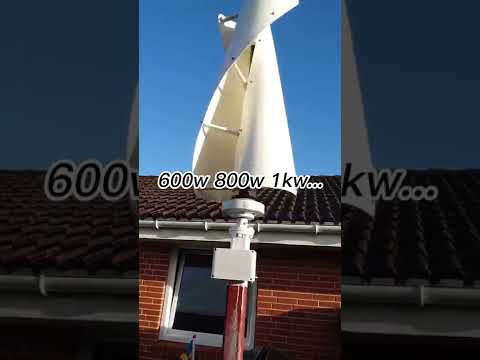
So, picture this: you’re outside on a breezy day, and you see one of those cute little windmills spinning away. It totally reminds me of my childhood, when I’d rush to the park just to watch them dance in the wind. Crazy how something so simple can be so mesmerizing, right?
But here’s the scoop: those little whirling blades aren’t just pretty objects. They’re actually harnessing wind energy! Yup! People are using small windmills to generate power—like, right in their own backyards. Crazy useful stuff.
You might be thinking, “Wait, really? I could have one in my garden?” Well, you totally could! Imagine getting some of your electricity from the very same breeze that messes up your hair. Sounds cool, huh? Let’s chat about how these nifty little gadgets work and why they might just be the future of local energy use.
Evaluating the Efficacy of Mini Wind Turbines: A Scientific Analysis of Cost and Benefits
So, mini wind turbines are like those little superheroes of renewable energy. They’re small enough to fit in your backyard but can still pack a punch when it comes to generating power. Let’s break down the nitty-gritty on their efficacy concerning costs and benefits.
Cost Considerations
When you think about mini wind turbines, upfront costs come into play first. Typically, they range from a few thousand to tens of thousands of dollars, depending on size and model. And here’s the kicker: installation costs can add another chunk of change. You might need some concrete work or even electrical help, which isn’t cheap!
But hold on! The ongoing expenses are often lower than traditional energy sources. Once installed, these turbines generally have very low operating costs. They don’t require fuel, just a bit of maintenance like checking for wear and tear.
Benefits of Mini Wind Turbines
These tiny towers can provide some neat benefits:
- Renewable Energy Source: Wind is free and plentiful, making it a great alternative to fossil fuels.
- Energy Independence: Generating your own power means relying less on the grid or fluctuating electricity prices.
- Carbon Footprint: Using wind energy reduces greenhouse gas emissions significantly!
- Aesthetic Appeal: Some designs look pretty cool and can add character to your yard—if you’re into that sort of thing!
Now, let’s not sugarcoat things too much here; mini wind turbines do have their limitations. For instance, they’re most effective in areas with consistent wind speeds—typically over 9 mph is a sweet spot. If you live in a sheltered spot or somewhere with unpredictable winds, then their efficiency takes a nosedive.
The Efficiency Factor
The efficiency is where it gets kind of technical but hang in there! A turbine’s efficiency will generally depend on its design and how well it captures wind energy. Look for things like rotor diameter and turbine height; larger rotors tend to catch more air movement.
Most small wind turbines operate at efficiencies around 20-40%, which is decent but not as high as larger commercial models that might hit above 50%. Sure, there’s less electricity generated compared to traditional sources like coal or natural gas plants, but every little bit counts when it comes to sustainability!
The Payback Period
Here’s something important: the payback period—the time it takes for savings from reduced electricity bills to equal your initial investment—can range from five to fifteen years depending on all those factors we talked about (costs, efficiency, and local utility rates). So if you’re looking for quick returns? Well, this might not be your best bet.
Anecdote Time!
I remember chatting with my neighbor who decided to install one in his backyard last year. At first, he was super skeptical—thought it would be just an expensive lawn ornament—but now he swears by it! He tells me his electric bills have dropped significantly during windy months. Sure enough though, when the winds die down in summer? He mentioned he wouldn’t rely solely on it without having backup options lined up.
So yeah! Evaluating the efficacy of mini wind turbines boils down to balancing cost versus potential benefits based on your specific circumstances—wind patterns included! They offer renewable options while being progressively more affordable over time—but make sure to consider all aspects before hopping onto the clear skies train!
Exploring the Viability of Installing a Small Wind Turbine on Your Property: A Scientific Perspective
Sure thing! So, let’s talk about wind turbines, specifically the small ones you might think about putting in your backyard. You know, it’s that cool idea where you can harness the wind to power your home. Sounds great, right?
First off, small wind turbines are designed to generate electricity for personal use. They can be a pretty neat solution for those who live in areas with consistent winds. It opens up a whole new way to get energy right from nature. But how viable is it really? Let’s break that down.
Wind Resource Assessment
You gotta start by figuring out how much wind you actually get on your property. Not all places are windy enough to make a turbine work well. You could have a tree blocking some of the breeze or live in a valley where winds don’t flow freely. Ideally, you want an average wind speed of at least 10 mph for optimal performance.
Land Space and Location
Next thing is space. Small turbines do need some room—like around 50 feet or so—between them and any obstacles like houses or fences. If you’re in a crowded neighborhood, installing one might be tricky because they need to be away from stuff that could block the wind—think trees or buildings.
Cost and Savings
Now let’s talk money! The initial setup cost can be substantial, often ranging from $5,000 to $40,000 depending on the size and complexity of the installation. But here’s the thing: once it’s up and running, you could see savings on your electricity bill over time. That said, make sure to calculate how long it’ll take for these savings to cover what you spent.
Noise Levels
You probably wanna know about noise too! Small wind turbines can make some sounds while they spin; it’s not like they’re super quiet all the time. Depending on the model and installation site, it might feel more like a gentle hum or something louder when it’s really windy outside.
Regulations and Permits
Don’t forget about regulations! Before installing anything, check in with local authorities about zoning laws and permits required for building such structures on your property. Some places have strict rules which could impact what kind of turbine you can install—or if you can even do it at all!
Maintenance Needs
Lastly—and this is crucial—think about maintenance. Like any machinery, small wind turbines require upkeep from time to time: checks on bolts, grease for bearings—it’s not just a “set it and forget it” deal.
So there ya go! Installing a small wind turbine isn’t just about sticking one in your yard; it’s actually a blend of evaluating environmental factors and considering practicalities like noise levels and costs. If everything aligns nicely—the winds blowing strong enough with proper space—you could end up with not just energy savings but also that lovely feeling of going green!
Exploring the Potential of Small Windmills for Electricity Generation: A Scientific Analysis
So, small windmills, huh? They’ve been around for quite a while, but there’s a renewed interest in them lately. People are getting all excited about renewable energy, and small windmills can be a pretty neat way to harness the power of the wind right in your backyard. Let’s break it down, shall we?
What are Small Windmills?
Small windmills, or small wind turbines as they’re often called, are designed to generate electricity on a smaller scale than their big brothers that you see on wind farms. These little guys usually produce anywhere from 400 watts to 100 kilowatts—enough to power a home or two! The whole setup usually includes blades that spin around when the wind blows, which turns a generator to create electricity.
The Basic Science Behind It
So what’s going on here? Well, the science is pretty straightforward. Wind has kinetic energy (that’s energy in motion), and when it hits those blades of the turbine, it makes them spin. This spinning action then moves an internal rotor connected to a generator. The generator converts that mechanical energy into electrical energy. When we talk about efficiency here, it just means how well the turbine can turn wind into usable electricity.
Where Can They Be Used?
You might wonder where these charming little turbines can actually shine:
- Residential Areas: If you live out in the country or even some suburban areas with enough open space and consistent winds.
- Agriculture: Farmers can use them not only for their homes but also for powering barns or irrigation systems.
- Campsites and RVs: They’re handy for anyone looking to go off-grid for a little adventure!
That said, location is key! You need consistent winds; otherwise, your lovely little turbine won’t do much of anything.
The Pros and Cons
Okay, let’s talk about what makes these small windmills awesome—and where they might fall short:
- Pros:
- You’re using renewable energy! That means less carbon footprint.
- The electricity can save you money in the long run on utility bills.
- You get independence from traditional power grids.
- Cons:
- If you don’t have enough wind speed consistently (like under 10 miles per hour), they won’t work well.
- The initial setup cost can be a bit high. You’ve got equipment and installation fees.
- Noisy operation—some folks find them annoying when trying to chill outside!
The Future Is Blowing In The Wind
So what does all this mean going forward? As technology advances, we might see improvements that make these small turbines even more efficient and cheaper to produce. Plus, with growing awareness around climate change and sustainability issues, local communities could benefit greatly from investing in these tiny powerhouses.
Still skeptical? Let me tell you a quick story: A buddy of mine decided to put one up at his family farm last summer. Initially hesitant about spending money on it—and worrying about how it might look—he was pleasantly surprised by how much electricity they generated! And after one particularly windy week in March (like seriously windy!), he noticed his electric bill went down significantly. He keeps saying he feels like he’s doing his part for Mother Earth while also saving some serious cash!
So yeah! Small windmills have potential beyond just being cute yard decorations—they could be part of our greener future if used wisely! Just remember: like anything else in life… context really matters!
You know, small windmills can really be a game changer for folks looking to tap into wind energy in their own backyards. It’s like bringing a little piece of nature right into your home. Wind energy is often seen as this vast, untouchable thing, but when you get down to local installations, it feels personal, you know?
I remember visiting a friend who had set up one of these tiny turbines. It was right next to their garden, spinning gently in the breeze. I watched as they explained how it powered their shed and even helped out with some of the electricity for their home. They were so proud of it—like they’d made an impact not just on their bills but on the environment too. It’s amazing how something that looks simple can spark such joy and purpose.
So here’s the deal: small windmills can generate energy without emitting carbon dioxide or other pollutants. That’s a big win for our planet! Plus, they can provide power even in remote areas where electricity isn’t readily available. Imagine living somewhere beautiful but being cut off from modern conveniences. That little windmill could change everything!
Of course, it’s not all sunshine and rainbows—there are challenges too! For one, not every place has the right wind conditions, so it’s important to check if your area gets enough breeze before investing in one of these beauties. And let’s be real; they might not provide power during calm days or at night, which means you often need additional energy sources.
But that’s where community spirit comes into play! People can band together to share these resources or even form cooperatives. Like I said earlier about my friend’s setup—they were part of a small group where several neighbors jointly invested in a few turbines to maximize efficiency and minimize costs.
Ultimately, small windmills are more than just technological gizmos; they’re about harnessing nature’s power while encouraging local solutions for energy needs. It brings communities closer together and creates sustainable living practices that benefit everyone—and isn’t that what we all want? So yeah, while they’re not silver bullets for all our energy problems, they definitely have a role in shaping our sustainable future!