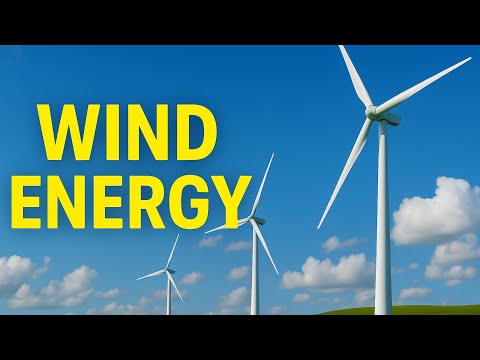
You know that feeling when the wind is just right? You’re outside, it’s a bit breezy, and you can’t help but smile. Like nature’s free air conditioner, right? Well, imagine if we could catch all that wind and turn it into energy.
Seriously, the US has some amazing potential for wind energy. It’s like tapping into a never-ending power source that just happens to blow across our vast landscapes. And if you think about it, wind is one of those things we have plenty of—just look at a crowded baseball field during a windy game!
Harnessing this power could mean a brighter, cleaner future. So let’s chat about how we’re using all that “blowin’ in the wind” to create something sustainable. And trust me, it’s way cooler than it sounds!
Exploring the Leading State in Wind Energy: A Scientific Analysis of Renewable Energy Leadership
Wind energy has become a heavyweight champion in the renewable energy arena, and one state reigns supreme in this field: Texas. Yep, you heard that right! Everything’s bigger in Texas, and that includes its wind farms.
Just to give you a sense of scale, Texas generates more wind energy than any other state in the US. In fact, as of 2022, around 30% of the state’s electricity came from wind power. That’s a massive number! It’s like powering millions of homes just with the breeze.
So how did Texas get to this stage? Well, it all started with favorable policies and an excellent location. The state has vast open plains where the wind blows strong and steady—perfect for those giant turbines you see dotting the landscape. This combination means more energy production at a lower cost.
Another cool thing about Texas is its grid system. The Electric Reliability Council of Texas (ERCOT) manages most of the state’s power and allows for easy integration of wind energy into the grid. This flexibility keeps everything running smoothly even when there’s not much wind blowing at times.
Now let’s break down some key points about why Texas is leading the charge:
- Investment: A lot of money is being pumped into wind projects.
- Technological advancements: Bigger and more efficient turbines have helped boost production.
- Job creation: Wind energy has created thousands of jobs—both in construction and maintenance.
- Sustainability: Renewable sources reduce reliance on fossil fuels, which is crucial for our planet.
On a personal note, I remember visiting one of these massive wind farms with my friends last summer. As we stood there among those colossal turbines spinning gracefully against a blue sky, it hit me how something so simple as harnessing air can have such a big impact on our future.
But it’s not just about being number one; challenges exist too. High winds can be unpredictable, leading to fluctuations in energy output. Plus, there are concerns about wildlife impacts and land use that need to be carefully managed.
The potential for growth remains enormous! With technology advancing fast and society pushing toward greener options, we can expect places like Texas to inspire others to tap into their own natural resources for renewable energy.
In short, when you think about wind energy leadership in the US, Texas definitely stands out for good reasons. If they keep up this momentum while navigating challenges wisely, it could shape how we think about energy generation across the country—and honestly maybe even beyond it!
Leading the Charge: Discovering the Top Country in Wind Energy Production
So, wind energy, huh? It’s kind of a big deal these days, especially when we’re all thinking about sustainable living and reducing our carbon footprint. Wind energy has become a crucial player in the race to find cleaner energy sources. Now, let’s talk about who’s leading the pack in this arena.
When you think about wind energy production, the United States usually pops into mind. It’s one of the heavyweights globally. With installations that cover vast areas—from Texas to the Great Plains—it’s no surprise that the U.S. has a significant share of the global wind power market.
But what’s really fascinating is how much wind energy has grown. Back in 2000, there was barely any wind power in the U.S., right? Fast forward to today, and it generates about 8% of all electricity consumed there! That’s like saying every twelfth lightbulb you use is powered by the breeze—pretty neat!
Now, if we’re talking numbers, Texas often gets mentioned as the state that really blows everyone else away—or should I say “blows them away”? In recent years, Texas has continually led all states in wind energy capacity, with more than 30% of its electricity coming from wind. Imagine living there and knowing that a chunk of your lights are powered by those giant turbines spinning out on the plains!
And it’s not just Texas; other states are picking up speed too.
But here’s where it gets even cooler: countries outside the U.S. are also stepping up their game! For instance, Denmark is known for being a leader in harnessing wind power relative to its size. They’ve managed to get around 47% of their electricity from wind turbines—talk about commitment!
It’s important to note that while these countries are leading now, things can change pretty quickly with technology advances and policy shifts encouraging more renewable resources.
And let’s not forget about some emotional stories tied to this transition. Imagine small-town communities once reliant on traditional fossil fuel jobs shifting towards sustainable energy like wind power—creating new opportunities and jobs while also caring for our planet. That can really change lives for folks who might’ve felt stuck or hopeless.
So what does this mean for our future? Basically,a cleaner planet awaits us! More investment into wind energy could lead us towards fewer greenhouse gas emissions and help combat climate change.
And yeah, while we’re still figuring out how best to harness this crazy powerful resource called “wind,” there’s no denying it has become a vital part of our conversation around sustainability—and you should definitely keep an eye on how this all evolves moving forward!
Exploring the Major Drawbacks of Wind Power: An In-Depth Scientific Analysis
Wind power is often hailed as a clean and renewable energy source, but it’s not all sunshine and rainbows. There are some major drawbacks to consider that can really impact its effectiveness and feasibility. Let’s break this down, shall we?
1. Intermittency
Wind doesn’t blow all the time. Sometimes it’s calm, other times it’s a gusty day, you know? This inconsistency makes it tough to rely on wind as a steady power source. When electricity demand peaks but winds aren’t favorable, that’s a problem.
2. Impact on Wildlife
Here’s something that might tug at your heartstrings: wind turbines can pose risks to birds and bats. As they spin, they sometimes accidentally collide with these creatures. It’s estimated that hundreds of thousands of birds die each year due to turbine collisions; kinda heartbreaking, right?
3. Land Use
Setting up wind farms requires space—lots of space! And while wind turbines can share land with agriculture or grazing, not every area is suitable for them. You’ve gotta think about where those turbines are placed; they can disrupt local ecosystems.
4. Noise Pollution
They say beauty is in the eye of the beholder, but what about sound? Wind turbines can be pretty noisy! Some folks living near them complain about the constant whooshing sounds that can disrupt daily life or even affect their sleep patterns.
5. Resource Intensity
You might think that once wind turbines are up and running, it’s all smooth sailing from there. But building them takes materials and energy! From mining raw materials to fabricating the components, there’s an environmental cost involved before you even generate a single watt.
6. Initial Costs
Let’s get real for a second—the upfront cost of setting up wind farms can be steep! Even though long-term benefits exist, the financial investment required initially may deter some people or companies from jumping on board.
7. Aesthetic Concerns
Okay, this one depends on who you ask but many people feel that turbines spoil natural landscapes. They might argue that rolling hills look better without giant metal structures poking up into the sky.
So yeah, while harnessing wind energy can lead us towards a more sustainable future—it’s got its share of challenges too. We have to weigh these drawbacks against the benefits and figure out how to mitigate them moving forward if we want to keep making progress in renewable energy!
You know, growing up, I had this friend whose dad had a windmill in their backyard. It was kind of quirky but also super cool. Whenever the wind blew strong, that thing would spin like crazy, and it always seemed like magic to me. Fast forward a few years, and now we’re talking about harnessing wind energy on a much larger scale in the U.S. Crazy how things come full circle, right?
So, wind energy, let’s break it down. Basically, it’s when we use the power of the wind to generate electricity. It’s clean and renewable – like nature’s way of giving us a hand with our energy needs. Wind turbines are popping up everywhere nowadays, especially in wide-open spaces where they can catch those steady breezes without a hassle. I mean, have you ever driven through places like Texas or Iowa? Those fields filled with spinning turbines look kinda futuristic!
But here’s where it gets really interesting; the potential for wind energy in the U.S. is massive! According to estimates, there’s enough windy spots to supply more than double the country’s current electricity demand just using wind power alone. That could totally change how we think about energy and make a significant dent in addressing climate change.
Now I get it; some folks might see those giant turbines and think they’re an eyesore or worry about birds getting caught up in them—totally valid concerns! But advancements are being made every day to make these technologies even better for wildlife and less intrusive on landscapes.
And let’s not forget about jobs! Transitioning to more renewable sources like wind creates new opportunities across various sectors—engineering, construction, maintenance—you name it! That could mean not just environmental gains but economic ones too for local communities.
Honestly though, what strikes me most is how investing in sustainable resources feels like we’re collectively taking responsibility for our planet’s future. Imagine telling your grandkids you were part of this shift towards cleaner energy! It’s inspiring to think that your choice today could lead to healthier air tomorrow.
Of course, there are challenges ahead: infrastructure issues and policy hurdles need sorting out too. But look around—people are starting to prioritize sustainability more than ever before. Every little step counts!
In short, harnessing US wind energy isn’t just about producing power; it’s a movement towards something bigger—a sustainable tomorrow where nature helps us live better lives without compromising our environment. And honestly? That sounds pretty awesome if you ask me!