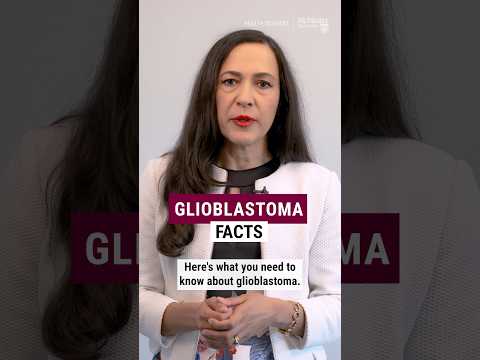
You know, I once read somewhere that glioblastomas are like the party crasher of brain tumors. They just show up uninvited and refuse to leave, wreaking havoc while they’re at it. Crazy, right?
But seriously, glioblastoma is a tough cookie in the cancer world. It’s aggressive and notorious for throwing doctors a curveball during treatment. While we’ve made some strides in understanding it, there’s still so much we don’t know.
Imagine if your favorite detective show had only halfway solved the mystery! That’s how glioblastoma research feels sometimes—a lot of questions with not enough answers. That’s where outreach comes in—like shining a flashlight into dark corners to see what’s really going on.
So yeah, let’s talk about how we can advance our knowledge and awareness around this beast of a brain tumor. It’s time to rally the troops!
Recent Advances in Glioblastoma Research: Breakthroughs in Treatment and Understanding
Glioblastoma is a tough cookie. This aggressive brain tumor is notorious for being hard to treat and often comes back even after aggressive therapies. But, hey, there’s some good news on the horizon! Scientists are making strides in understanding and treating this beast. Let’s break down some recent advances together.
Personalized Medicine is changing the game. Researchers are now focusing on tailoring treatments to individual patients based on their genetic makeup. It’s like having a custom-made suit rather than off-the-rack. For instance, they’re looking at specific mutations in tumors which can help doctors pick the most effective drugs for each person. So, instead of using a one-size-fits-all approach, they can target therapies more effectively.
Another fascinating development is the use of immunotherapy. Basically, it’s about teaching your immune system to recognize and attack glioblastoma cells as if they were invaders. There’ve been trials testing various immunotherapies—some focus on monoclonal antibodies while others utilize vaccines designed to provoke an immune response specifically against tumor cells. It’s like giving your body a roadmap that shows where the bad guys are hiding!
Also, researchers are digging deeper into tumor microenvironments. This concept might sound complex, but stick with me! The tumor microenvironment includes all the stuff surrounding a tumor – like blood vessels and immune cells – that play key roles in how tumors grow and spread. By understanding these interactions better, scientists hope to find new targets for therapy. It’s like getting to know the neighborhood where glioblastomas hang out!
Speaking of new formats for treatment, there’s exciting progress in nanotechnology. Tiny particles called nanoparticles can be loaded with drugs or imaging agents and then delivered right to the tumor site. This not only increases treatment effectiveness but also minimizes damage to healthy brain tissue – kind of like using a laser instead of a bulldozer when you want to get rid of weeds in your garden.
And let’s not forget about clinical trials! There’s an increasing number of them specifically designed for glioblastoma patients now than ever before. These trials test new combinations of existing treatments or entirely new therapies under development. Participation can be crucial; it helps advance our understanding and potentially leads to breakthroughs that could benefit countless others down the line.
So basically, while glioblastoma still poses serious challenges, ongoing research holds promise for improving outcomes through innovation in treatment strategies and better understanding of this complex disease. And you know what? Each step forward today brings us closer to better options tomorrow! As we keep pushing boundaries in science, it’s thrilling to think about what lies ahead in this journey against glioblastoma.
Top Hospitals Worldwide for Glioblastoma Treatment: A Comprehensive Guide
When it comes to treating glioblastoma, it’s all about finding the right place with the right expertise. This brain cancer is aggressive and tricky, which makes choosing a top-notch hospital essential for anyone diagnosed. So, let’s chat about some of the leading hospitals worldwide known for their work in glioblastoma treatment.
MD Anderson Cancer Center in Houston, Texas, shines as a major player in cancer care. They have cutting-edge technology and a team of experts who are dedicated to treating brain tumors. They offer everything from traditional surgery to experimental treatments. Patients there often participate in clinical trials that explore new drugs or therapies. It’s really about giving hope through innovation!
Then we have Mayo Clinic, located in Rochester, Minnesota. This place is renowned for its comprehensive care approach. They not only focus on the cancer itself but also on providing holistic support—from nutrition counseling to emotional health services. They work hard to personalize treatment plans for each patient.
Across the pond, John Radcliffe Hospital in Oxford, England, is another leading institution in treating glioblastoma. Their neurosurgery department is pretty well-regarded and they’re involved in groundbreaking research too. Patients benefit from a collaborative effort between surgeons and oncologists to tackle the disease from every angle.
Let’s not forget about Cleveland Clinic. This place boasts an impressive array of specialists who focus specifically on brain tumors. Their approach often includes combined therapies like radiation and chemotherapy right after surgery—this can be vital for recovery.
To add another layer, Charité – Universitätsmedizin Berlin, one of Europe’s largest university hospitals, has made significant strides in glioblastoma research and treatment as well! The collaboration between various specialties enriches patient care there.
Oh! And we can’t skip over The Royal Marsden Hospital in London; they’re known for their pioneering treatments—and their focus on clinical trials means you might have access to cutting-edge therapies that aren’t widely available yet.
It’s important to know that choosing a hospital isn’t just about its reputation; it’s also about how comfortable you feel there. You follow me? Finding a place where you feel supported during such a tough time is crucial! Treatment can range from conventional surgeries to newer therapeutic options like immunotherapy or targeted therapy based on genetic testing of tumors.
In sum, whether you’re looking at facilities like MD Anderson or Mayo Clinic—or even those across the ocean—it’s all about finding that combination of experience, technology, and compassion when dealing with glioblastoma care. Always remember: each patient journey is unique… just like our individual needs!
Evaluating the Legitimacy of Glioblastoma Research Organizations: What You Need to Know
So you’ve heard about glioblastoma research organizations and you’re wondering how to tell the legitimate ones from the, well, not-so-legit ones? That’s a smart question! Navigating through all that info can feel like walking through a maze. Let’s break it down.
First off, **understanding glioblastoma** is key. It’s a type of brain cancer that’s really aggressive. The survival rate isn’t great, which makes it super important for researchers to work hard on finding new treatments. So, when you’re looking into organizations focused on this area, you want to make sure they’re doing it right.
Check their credentials: Look at who’s behind the organization. Are the board members and researchers associated with top universities or medical institutions? This can give you some clue about their expertise. If they have notable doctors or scientists involved, that’s a good sign!
Look for transparency: Legit organizations are open about their funding sources and how they use donations. If they seem secretive or vague about where money goes, that could be a red flag. A trustworthy group will provide reports on their spending and results.
Research their claims: Does the organization make bold promises about curing glioblastoma overnight? Be cautious! Scientific research takes time—lots of it! If an organization claims quick fixes or miracle cures without backing it up with solid scientific evidence, steer clear.
Collaborations matter: Are they working with established institutions or other credible researchers? Partnerships with recognized hospitals or universities show that others in the field trust them too.
Support from patients and families: Check out patient testimonials. Do people feel supported by this organization? Are families sharing positive experiences? While these are subjective views, they can offer insight into how the group operates on a human level.
Scientific publications: See if they’ve published peer-reviewed research in reputable journals. This means other experts have looked over their work and said “yep, this checks out.” If they’re not sharing any of that kind of info, maybe it’s time to ask why.
Let’s take an emotional moment here: Imagine someone close to you battling glioblastoma—it can be heartbreaking watching them suffer while hoping for better treatments. Knowing there’s genuine research out there can feel like a beacon of hope amidst all the chaos.
In short, evaluating these organizations isn’t just about ticking boxes; it’s about understanding who’s really making strides in glioblastoma research versus those who aren’t holding up under scrutiny. So remember these tips as you look into different groups!
Lastly, keep your ears open for developments in the research world—things change quickly in science! Stay curious and always ask questions because informed support can lead to more awareness and maybe even breakthroughs down the line!
So yeah, do your homework—because every bit counts when it comes to fighting this tough disease!
You know, glioblastoma is one of those topics that can really weigh heavy on your heart. It’s a type of brain cancer that’s aggressive and super tough to treat. Not long ago, I was at a friend’s dad’s memorial service, and he had battled glioblastoma for two years. It was heartbreaking to see how his family struggled through the ups and downs of it all. It really made me think about how we talk about science and help people understand what’s happening in the world of research.
Advancing science in this area feels like it has to be a team effort. Researchers are working hard in labs, but getting that information out—like, really getting it out—makes such a difference. Imagine being a patient or a family member trying to navigate the whirlwind of medical jargon and complex treatment options. It can feel like you’re lost at sea without a life preserver! So, this is where outreach kicks in.
Connecting scientists with communities means sharing knowledge in ways everyone can grasp. You want people to understand clinical trials and potential treatments without needing a PhD to decode it all! In fact, just last week I came across an online webinar aimed at patients and their families about the latest glioblastoma research. Seriously, it was so engaging! Scientists were breaking down their findings into everyday language. That kind of dialogue is empowering people to make informed decisions about their health care.
But honestly? There’s still so much work needed in making sure everyone hears these updates—not just those who already have access or education. There are disparities in healthcare that are hard to ignore; not everyone has the same opportunities when it comes to treatment options or even understanding what’s available.
And let’s be real: advancing research doesn’t just mean lab work or clinical trials; it’s also about stories—yours, mine, anyone who has been affected by this awful disease. When we share our experiences openly, we humanize the science behind glioblastoma. We take complex data and turn it into something relatable, something that makes sense on a personal level.
It’s pretty amazing when you think about it: each voice adds depth to this narrative we’re creating around glioblastoma research. As more people get involved—whether by participating in fundraisers or just attending talks—they contribute to a growing support network for affected families while giving researchers more insight into what patients need.
So yeah, advancing science and outreach for glioblastoma isn’t just some abstract concept; it’s deeply human—it affects families real-time! And if more folks understand what glioblastoma research is trying to achieve, maybe we’ll see some breakthroughs sooner rather than later. Quite hopeful if you ask me!