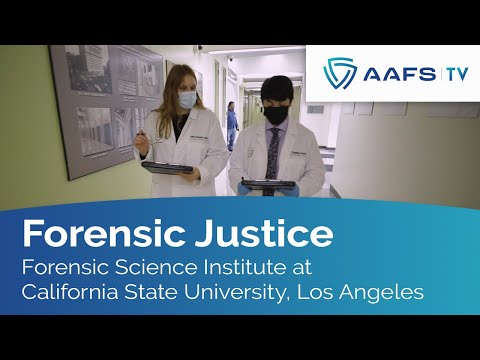
So, picture this: you’re sitting on your couch, munching on popcorn, and suddenly a crime scene pops up on your favorite show. The detectives start pulling out all these fancy tools and techniques to solve the mystery. You’re like, “Whoa, where do I sign up for that?”
Forensic science is like the coolest mix of detective work and science experiments! Seriously, it’s fascinating how much you can learn from just a speck of dust or a drop of blood.
But here’s the thing: it’s not just about TV dramas. The real world of forensic science needs more than just techy gadgets and smart brains—what it really needs is education and outreach. That’s how we can get more folks excited about solving crimes but also understanding the science behind it all.
Imagine being part of a community that not only solves mysteries but also engages everyone in learning about the power of forensics. It’s like having a front-row seat to something amazing!
Exploring the Most Significant Advancements in Forensic Science: Transformations in Criminal Investigation
Forensic science has, like, totally changed the game when it comes to solving crimes. You know how in old detective movies, they’d rely on gut feelings and hunches? Well, nowadays it’s not just about intuition; it’s about hard-core science. Let’s explore some cool advancements that have transformed criminal investigations.
DNA Analysis is one of the biggest breakthroughs. It allows forensic scientists to identify suspects with incredible precision. Just a tiny sample of hair or saliva can tell us a lot about who was at a crime scene. Imagine a loved one going missing; having DNA technology means families can find closure faster than ever before.
Then there’s fingerprint analysis. Sure, fingerprints have been used for years, but modern technology has taken this to a whole new level. Automated systems can now scan and match prints almost instantly. This speeds up investigations immensely! But let me tell you—a few years back, I watched a documentary where they showed how mismatched prints led to wrongful convictions. It just shows how crucial accuracy really is.
Also, we can’t forget about digital forensics. With everyone glued to their phones nowadays (like all the time), digital evidence is often key in solving cases. Investigators can recover deleted texts or access social media accounts, piecing together timelines that were previously murky and unclear.
How about ballistics analysis? This involves examining bullets and cartridge casings to find out what kind of weapon was used in a crime and even linking it back to its owner! It’s fascinating stuff—and think of the film noir vibes when you imagine detectives breaking down these cold cases using high-tech gadgets!
Now, there’s also forensic anthropology. This field helps identify human remains by analyzing bones and other skeletal evidence. It sounds kind of grim, right? But imagine being able to give names back to families who thought they’d never know what happened to their loved ones.
Moreover, there are ongoing efforts in forensic education and outreach. Schools are starting to include forensic science in their curriculums more than ever before! Young students are getting hands-on with experiments that teach them vital skills while sparking interest in various scientific fields—great stuff!
And listen up: it’s not just about catching criminals faster; it’s also about ensuring justice is served correctly. Wrongful convictions happen more than we care to admit; every advancement in forensic science helps minimize those mistakes.
So yeah, forensic science has evolved so much over the years! The tools used today are sharper than any detective could’ve dreamed of back in the day—and that makes both solving crime safer and restoring justice way more efficient than ever before.
Exploring Breakthrough Advancements in Forensic Science: Innovations Shaping the Future of Crime Investigation
So, forensic science is like the backbone of modern crime investigation, right? It’s pretty amazing how it has evolved over the years. There are tons of breakthrough advancements that are shaping the future of how we solve crimes. Let me break it down for you.
First off, one of the coolest advancements is **DNA profiling**. You know how everyone has a unique DNA fingerprint? This technology helps law enforcement identify suspects with super high accuracy. Remember that case from back in the day, where DNA was key in overturning wrongful convictions? Yeah, that’s a perfect example of its impact.
Then there’s **forensic genomics**, which takes things to another level. This isn’t just about matching DNA to a person; it’s about predicting traits like eye color or ancestry from biological samples! Imagine being able to identify a suspect’s physical characteristics without even having their direct information.
Next up is **3D imaging and modeling**. Instead of drawing sketches or photos, forensic experts can now create detailed 3D models of crime scenes! This helps investigators visualize what happened, and juries can understand the scene better when they’re shown these models.
Also, let’s talk about **digital forensics**. With how much time we spend on our devices these days, recovering information from smartphones and computers can be crucial for investigations. It’s not just about finding emails but also tracking down deleted messages or even analyzing metadata to figure out timelines!
And then there’s this growing field called **forensic entomology**—yes, you heard that right! Basically, it involves studying insects found on decomposing bodies to help determine time of death. It sounds bizarre but can be super useful!
Moreover, forensic science isn’t just sitting in labs anymore; there’s a huge focus on **education and outreach** now too. Programs are popping up everywhere to teach people about forensic techniques and their importance in solving crimes. Schools often have workshops where students can learn how to analyze fingerprints or collect evidence properly.
Lastly, I should mention **artificial intelligence (AI)** in forensic science. AI algorithms are being developed to assist in analyzing large amounts of data quickly—like processing surveillance footage or identifying patterns in criminal behavior.
So yeah, as you can see, forensic science is really pushing boundaries these days! These advancements not only make crime fighting more effective but also ensure justice gets served accurately. And who wouldn’t love that?
Exploring Forensic Science Education: Key Concepts and Career Paths in the Field
Forensic science is a pretty intriguing area, right? Picture this: you’re watching your favorite crime show, and the forensic expert finds that one tiny piece of evidence that cracks the case wide open. Well, that’s real life for many folks in this field!
So, what’s forensic science all about? It’s essentially the application of scientific principles to solve crimes. This can include everything from analyzing DNA samples to figuring out how long a body has been lying there. It’s all about using science to understand what happened in criminal cases.
Now, if you’re thinking about pursuing forensic science education, you should know it’s not just about wearing a lab coat and solving mysteries. You’ll need a solid foundation in several key areas:
- Biology: You’ll study living organisms, which is especially important for things like DNA analysis.
- Chemistry: Essential for understanding substances and their reactions, crucial when dealing with drugs or toxicology.
- Physics: Helpful when analyzing things like ballistics or blood spatter patterns—yes, blood spatter! Sounds wild but super important.
- Psychology: Understanding human behavior can help in profiling suspects or witness testimonies.
Many universities offer specialized degrees in forensic science or related fields. Some even combine law enforcement training with technical courses. You want an education that covers both sciences and practical skills because there’s a lot to learn!
And let’s not forget about hands-on experience. Internships are vital; they give you real-world exposure to forensic labs or crime scenes. Working alongside seasoned professionals helps polish your skills and gives you insights into the daily grind of forensic work.
Career paths in forensic science are pretty diverse too! After you finish your studies, here are some directions you can go:
- Chemical Analyst: Analyzing substances found at crime scenes.
- Dna Analyst: Working specifically with genetic material—talk about being at the cutting edge!
- Toxicologist: Studying toxins and their effects on individuals, perfect for those who love chemistry.
- Court Expert: Many forensic scientists end up as expert witnesses; they present findings in court which can be really intense!
So, what comes next? Continuing education is crucial too! As technology advances (think digital forensics), staying updated through workshops and courses keeps you relevant.
In sum, diving into forensic science means embracing a mix of solid educational foundations and hands-on experiences. It might be tough sometimes—like those late-night study sessions—but think of the impact you could make. Seriously! You could help bring justice to victims and their families. How rewarding would that feel?
So, you know how sometimes you watch those crime shows and you think, wow, it’s amazing how they figure things out with just a tiny clue? That’s forensic science for you! But here’s the thing: it’s not just the cool tech gadgets and fancy labs that make it all work. It’s also about education and outreach—how we teach people about it and get them interested in what goes on behind the scenes.
There was this time when I visited a local high school for a mini forensic workshop. The kids were so hyped! We talked about crime scene investigation, DNA analysis, everything. You could see their eyes light up when they realized they could actually pursue careers in this field. It was pretty inspiring to see young minds buzzing with ideas and questioning everything. It made me think about how important it is to bring this stuff into classrooms, museums, and community centers.
I mean, so many people don’t even know what forensic science really involves beyond detective stories on TV. Sure, there’s a ton of technical jargon—like “toxicology” or “serology”—but breaking it down into simple concepts makes all the difference. When we make these topics accessible, kids start to realize that science isn’t just for “science nerds.” It can be super fascinating!
And let’s not forget that education helps build trust in science itself. There are tons of misconceptions out there about what forensic scientists do or how accurate their methods are. By providing clear information and engaging activities—like mock crime scenes or hands-on experiments—we help demystify the field. This connection between education and outreach can spark interest in diverse communities too! Imagine more voices adding to this field; that kind of diversity brings fresh perspectives that can totally change the game.
What I find really compelling is how engaged folks become after these workshops or talks—they want to know more! They ask great questions like: How can I help solve real cases? What subjects should I study? It feels like we’re planting seeds for future detectives, scientists—and even advocates for justice.
So yeah, advancing forensic science isn’t only about new technologies or techniques; it’s also about sharing knowledge and passion with others. When we reach out and show what’s possible through education, we’re not just teaching; we’re inspiring the next generation of thinkers who might one day work on real-life mysteries! And doesn’t that just feel good?