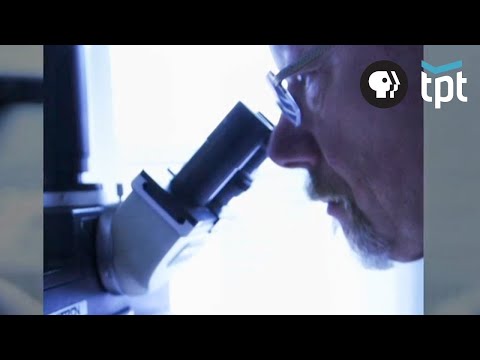
You know what always cracks me up? Those crime shows where they solve a murder in, like, 45 minutes. It’s wild! But what about the real folks behind the scenes? The ones with lab coats, goggles, and serious science skills?
Enter the world of forensic scientists. They’re not just the “science nerds” you might picture; they’re basically detectives with a lab. Seriously, they bridge that gap between science and justice like… well, it’s pretty awesome.
Imagine getting a call at 2 AM to analyze some evidence that could crack a case wide open. Sounds intense, right? They deal with everything from fingerprints to hair samples. It’s like being a superhero in the world of crime-solving!
So, let’s take a closer look at what these forensic wizards actually do and how they help bring justice to light. Curious? You should be!
Exploring Career Paths: Becoming a CSI with a Forensic Science Degree
The whole idea of becoming a CSI sounds super thrilling, right? Forensic science is like mixing detective work with science, and it plays a vital role in helping solve crimes. So, let’s break down what you need to know to get into this field.
First off, you’ll want to start with a forensic science degree. Most schools offer bachelor’s programs where you’ll dive into subjects like biology, chemistry, and even some cool things like crime scene investigation techniques. It’s basically your foundation for everything else that comes next.
Once you’ve got your degree in hand, you’ll probably need some practical experience. Many students choose internships or volunteer opportunities with local law enforcement agencies. This can give you hands-on experience working in a lab or assisting with evidence collection at crime scenes. And trust me; it looks great on your resume!
Now comes the tricky part: specializations. The field of forensic science is vast! You could end up focusing on blood spatter analysis, toxicology, or even digital forensics (think computers and smartphones). Each area has its own skill set and tools you’ll need to master.
And hey, don’t forget about soft skills—those are super important too! Communication is key since you’ll often find yourself explaining complex scientific stuff to folks who don’t have a science background, like jury members or police officers. Plus, being detail-oriented can save the day when piecing together evidence from a crime scene!
If I had to tell you a story about forensic science that really hits home, think about how many lives can be changed because of the work done by these professionals. For instance, I once read about how forensic scientists helped exonerate someone who was wrongfully convicted after years in prison! They just found new evidence using advanced techniques—it’s incredible how one discovery can impact so many lives.
Lastly, keep in mind that job prospects can vary based on where you live and what specific area of forensics you’re interested in. Urban areas might have more opportunities compared to smaller towns.
In summary:
- A good starting point is getting a forensic science degree.
- Hands-on experience through internships is super valuable.
- You may want to specialize in specific areas within forensics.
- Don’t underestimate soft skills like communication and attention to detail!
- The impact of forensic work can change lives!
So if you’re considering this career path, just know it involves hard work but also offers an exhilarating chance to really make a difference in people’s lives!
Comparing Salaries: CSI vs. Forensic Scientist in the Field of Science
So, you’re curious about the salaries of CSI professionals compared to forensic scientists, huh? Well, let’s break it down and see what makes them tick in the world of justice and science!
First off, when we talk about **CSI (Crime Scene Investigators)**, we’re usually looking at those folks who rush into crime scenes right after something goes down. They’re the ones dusting for fingerprints, collecting evidence like hair or fibers, and sometimes even setting up those iconic chalk outlines. Their work is super crucial.
CSI salaries can vary quite a bit depending on a few factors like location and experience. On average, you might be looking at anywhere between **$40,000 to $70,000 a year**. In big cities or with more experience under their belts, some CSIs even hit the high $80k mark. That’s not too shabby for stepping into some pretty intense situations!
Now let’s swing over to **forensic scientists**—these folks are often working behind the scenes in labs rather than out in the field. They analyze all that evidence collected by CSIs. Think of them as the detectives in lab coats! Their work requires a solid background in science—often needing a degree in fields like chemistry or biology.
When it comes to salaries for forensic scientists, they tend to earn slightly more on average than CSIs. Most forensic scientists make around **$50,000 to $85,000** annually. Again, this can depend on lots of things—experience level, specialization (like toxicology or DNA analysis), and where they work.
Here’s another key difference: the job environment! While CSIs are out there sleuthing through crime scenes—sometimes under pressure from curious crowds—forensic scientists usually work in labs that are much quieter and controlled.
Let’s sum it up:
If you’re torn between these two paths because of salary expectations or job environments—just remember that both play vital roles in our justice system. It’s really about what intrigues you more: diving into the chaos of a crime scene or taking a closer look at evidence through scientific lenses! So what’s your vibe?
Exploring the Value of a Criminal Justice Major for Aspiring CSI Professionals in the Scientific Field
So, you’re thinking about a criminal justice major, and you want to become a CSI professional? Well, that’s super interesting! CSI stands for Crime Scene Investigator, and these folks play a crucial role in solving crimes by using science and technology. Let’s break down why majoring in criminal justice can be a solid choice for this career path.
First off, let’s talk about the basics. A criminal justice degree gives you a solid foundation in understanding the legal system. You learn about laws, the rights of individuals, and how the justice system operates. This background is essential when you’re out there working with law enforcement or dealing with legal cases. You need to know how to collect evidence properly and follow protocols so cases can stand up in court. If not, well, all your hard work could go out the window!
Now, on to some more specifics:
- Forensic Science Knowledge: As a CSI professional, you’ll deal with forensic evidence—like fingerprints or DNA analysis. Many criminal justice programs offer courses tailored to forensic science.
- Critical Thinking Skills: You’ll sharpen those skills while studying criminal behavior and criminal psychology. This helps you think like an investigator—solving puzzles that often have no easy answer.
- Field Experience: Some programs include internships or hands-on opportunities at crime labs or police departments. This real-world experience is invaluable because it gives you insights into everyday challenges faced by CSIs.
Your major isn’t just about books; it’s also about learning how to apply what you’ve studied practically. Many times during lab work or field exercises, you’ll face ethical dilemmas—knowing what’s right and wrong when handling sensitive information is key! Remember Emily? She was the one who struggled with reviewing graphic materials during her internship but eventually found her footing as she learned more about trauma-informed practices.
No doubt, communication is another biggie here! You must communicate findings clearly—written reports are part of your job description for sure. It’s not enough to gather evidence; you need to explain it so everyone involved—lawyers, judges, even juries—understand what’s going on.
A combination of hard skills (like technical know-how) and soft skills (like teamwork) prepares you for life as a CSI professional really well! Plus, being well-versed in legal aspects from your criminal justice education sets a strong foundation if you decide to specialize later on—for instance, in cybercrime or human trafficking investigations.
You see? A degree in criminal justice does way more than just look good on paper; it’s like equipping yourself with tools for success in an exciting yet challenging career! So if you’re up for diving into the world where science meets law enforcement? Sounds like you’re aiming right at something meaningful!
You know, it’s pretty fascinating to think about how forensic scientists play such a vital role in our justice system. I mean, they’re like detectives who use science to solve crimes. When you watch shows like “CSI,” it makes it seem all glamorous and high-tech, right? But in reality, these folks work really hard behind the scenes, piecing together tiny bits of evidence to help bring closure to victims and their families.
I was reminded of this one time when I visited a forensic lab for a school project. The scientists were super passionate about what they did. They talked about how every hair, fiber, or drop of blood can tell a story. It’s like they’re telling the truth that’s hidden beneath all the chaos. I remember standing there as they explained the process of analyzing fingerprints—how even the tiniest smudge can hold a key that unlocks an entire case!
But here’s where it gets even deeper: these scientists often have to deal with some heavy stuff. They’re not just working with test tubes and microscopes; they’re facing the aftermath of crimes. One scientist shared how they sometimes have to call families with bad news after identifying remains. That part is emotional and tough—it really puts things into perspective.
Also, let’s talk about the technology! From DNA analysis to ballistics testing, forensic science is continuously evolving. They use everything from special light sources to advanced software that helps them analyze evidence efficiently. This isn’t just science for cool experiments; it’s real-life problem solving that impacts lives directly.
In closing, these forensic scientists? They’re truly bridging the gap between science and justice in ways we don’t always see or appreciate. What they do isn’t just about finding answers; it’s also about restoring faith in our legal system and helping people heal from unimaginable pain. So yeah, next time you think of crime-solving heroes, remember those unsung heroes in white coats working tirelessly behind closed doors!