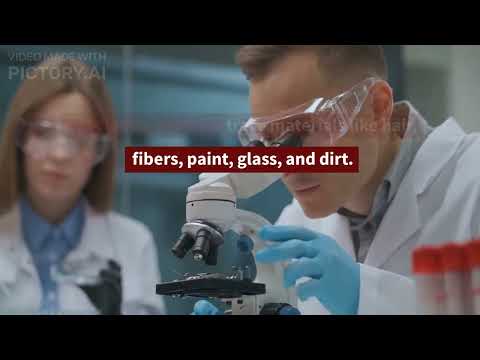
So, picture this: you’re watching a crime show, right? The detective finds a single hair at the scene and suddenly, bam! They solve the case in 30 minutes. You think, “That’s too easy!” But actually, science plays a huge role in turning those wild storylines into reality.
Forensic investigations are like magic but with lab coats. Seriously! From DNA analysis to fingerprinting, every tiny piece of evidence tells a story. It’s not just about catching the bad guys; it’s about understanding what really happened.
You ever hear about that time when forensic scientists helped clear an innocent person after years in jail? It’s like a plot twist you didn’t see coming. Science isn’t just cool; it can change lives.
So, let’s chat about how science is shaking things up in modern forensic investigations. You ready? Let’s get into it!
The Integral Role of Forensic Science in Enhancing Modern Criminal Investigations
Forensic science, you know, is like the superhero of criminal investigations today. It’s pretty amazing how it takes a scientific approach to solve crimes, right? This blend of science and law plays a vital role in helping investigators figure out what happened.
One of the biggest players in forensic science is **DNA analysis**. I mean, come on, it’s fascinating! Just imagine: a tiny drop of blood or a strand of hair can tell investigators who was at the scene. DNA profiling is so precise that it can link suspects to crimes or clear innocent people who are wrongfully accused. Seriously, all from just a little bit of genetic material!
Then there’s **fingerprint analysis**. We’ve all seen those cool scenes in movies where detectives dust for prints and find crucial evidence, right? Fingerprints are super unique—no two people have the same ones. This ability to match fingerprints found at crime scenes to individuals helps crack cases wide open.
Another critical aspect is **toxicology**. When someone dies unexpectedly, toxicologists come to the rescue. They analyze bodily fluids to figure out if someone was poisoned or if drugs were involved. I remember reading about a case where toxicology tests revealed that an overdose was the real cause of death, completely changing the nature of the investigation.
And let’s not forget about **digital forensics**! Nowadays, our whole lives are on our devices: phones and computers store tons of info. Digital forensics experts delve into these techy worlds to extract data that can provide leads in criminal cases like texts or emails.
Also worth mentioning is **forensic anthropology**—that’s when experts study bones to determine things like age or ancestry. Picture this: a body found years later may be hard to identify based solely on skeletal remains but forensic anthropologists work their magic and provide insights that can lead investigators closer to solving the mystery.
Crime scene investigation (CSI) teams also draw heavily on forensic science methods when gathering evidence at crime scenes—every detail matters! The way they collect samples and document everything ensures that potential evidence isn’t contaminated or overlooked.
In summary, you see how forensic science really enhances modern criminal investigations? It combines different fields like biology, chemistry, and technology to create reliable methods for solving crimes and bringing justice. It’s incredible how much we rely on these techniques today—making our communities safer one case at a time!
The Essential Role of Forensic Science Laboratories in Modern Criminal Investigations
So, let’s chat about forensic science laboratories and why they’re, like, super important in modern criminal investigations. You know how in movies, they have that one genius lab tech who solves everything in the blink of an eye? Well, it’s not always that glamorous, but these labs play a big role in cracking cases.
First off, forensic science is all about using scientific methods to gather and analyze evidence from crime scenes. Imagine if you found a mysterious hair or a fingerprint at a scene. A forensic lab can analyze those traces to link them to suspects or victims. It’s like putting together pieces of a puzzle – every little detail counts!
DNA Analysis is one of the coolest tools in the forensic toolbox. Each person has unique DNA (except for identical twins, but that’s another story). When blood or saliva is found at a crime scene, scientists can compare it with DNA from suspects. This helps identify whether someone was there or not. It’s pretty mind-blowing when you think about how just a tiny sample can tell such a huge story.
Then there’s toxicology. Ever heard of that? Forensic toxicologists test bodily fluids for drugs and poisons. Say someone died under suspicious circumstances; toxicology reports can reveal whether drugs were involved and what kind. This kind of analysis often decides if it’s murder or just unfortunate circumstances.
And let’s not forget about ballistics. If firearms are involved, ballistics experts examine bullets and shell casings to determine what kind of gun was used and even which specific weapon might have fired it. They meticulously compare markings on the bullet with known firearms – think of it as comparing fingerprints but for guns!
Digital forensics, oh man – this area is growing fast! With everyone glued to their phones these days, digital evidence is crucial. Forensic experts can recover deleted files from computers or smartphones after crimes like fraud or cyberbullying occur, helping uncover hidden truths.
Now consider crime scene investigation itself! Forensic labs often work hand-in-hand with police on-site to collect evidence properly before any contamination happens. Their training ensures nothing important gets missed; they know what to look for since every detail could be the key.
To wrap it up nicely: without forensic science laboratories, solving crimes would be like looking for a needle in a haystack—frustrating and nearly impossible! They provide crucial scientific backing that helps law enforcement make sense of chaotic situations while ensuring justice gets served fairly. So next time you watch a crime show on TV where they’re running tests in flashy labs, remember there’s real science happening behind those scenes!
The Essential Role of Investigators in Forensic Science: Uncovering Clues and Solving Crimes
Forensic science is pretty cool, but it’s not just about flashy lab equipment or dramatic courtroom reveals. The real heroes behind solving crimes are the investigators. Well, who are these investigators? They’re the ones piecing together a puzzle that can sometimes seem impossible to solve.
What do forensic investigators actually do? They examine evidence while asking questions that seem simple but are crucial. Things like: What happened here? Who was involved? And how do we know? This is where they dig deep into every tiny detail.
You might be wondering what kind of evidence they look at. It ranges from fingerprints and hair samples to DNA and digital footprints. Just think about your last trip to a crowded place. You might have brushed against someone—but did you leave something behind? That’s how important every small piece of evidence can be!
Collecting Evidence
When investigators show up at a crime scene, they have to be super careful. Think of them as detectives with a magnifying glass—everything can tell a story! They secure the scene first so nothing gets messed up. After that, they fan out and start collecting whatever looks interesting: bloodstains, broken glass, or even that mysterious footprint outside.
Another critical part is processing the evidence. This involves using methods like **forensic biology**, which helps identify biological fluids, or **ballistics**, which analyzes firearms and bullets. Each method has its own set of rules and techniques—it’s like having different languages for all parts of the investigation.
Ever heard of forensic anthropology? That’s when experts analyze human skeletal remains in cases where bodies aren’t intact. It might sound grim, but this helps identify victims and provide closure for families.
The Role of Technology
Let’s not forget how technology plays in all this! Nowadays, investigators use software to analyze data quickly. For example, they compare DNA samples against databases full of genetic information from known offenders. It’s incredible what computers can do—seriously!
You know what else is fascinating? The role of social media in investigations has grown massively! Investigators sometimes sift through online posts and messages for clues—it’s like looking through someone’s diary but way more complex.
The thing is, while tech helps jumpstart investigations, it still takes human intuition and experience to interpret the findings effectively. You can gather all this data but without skilled investigators guiding you through it—the story could get lost.
Why Does All This Matter?
Think back to high-profile cases that gripped our attention—like serial killers or kidnappings. The breakthroughs often came from patient investigators taking their time with each clue rather than rushing things along for headlines.
In many ways, these professionals are detectives who don’t wear flashy badges but carry an immense burden: finding justice for victims and their families.
So next time you hear about a crime being solved thanks to forensic science, remember the unsung heroes—the investigators quietly uncovering clues that lead us one step closer to truth and justice!
You know, when you think about forensic investigations, the first thing that comes to mind is probably a crime scene. The flashing lights, the chalk outlines, and maybe a detective flipping through photos in a gritty TV show. But if you look closer, there’s something really cool happening behind the scenes: science.
Imagine being at a crime scene. It’s not just about finding clues; it’s about using scientific methods to put together a puzzle. You’ve got everything from DNA analysis to ballistic testing—each piece of evidence tells its own story. I remember reading about a case where investigators used DNA collected from a bite mark to identify a suspect. It was like something out of a thriller novel! Only this time, it was real life.
So here’s the deal: science helps solve crimes in ways we often take for granted. Take fingerprints, for instance. Chi-square tests and algorithms come into play to match those swirls and loops with databases that hold millions of prints! Sounds like magic? Well, it kind of is!
But it’s not just about catching the bad guys; science also plays an essential role in ensuring justice is served and not just dished out in haste. Think of forensic anthropology—where experts can analyze bones to determine things like age or cause of death. This isn’t just helpful; it’s crucial when determining how someone died and whether it was foul play or an accident.
And then there’s toxicology—the study of chemicals in the body—which can reveal important details about drug overdoses or poisoning cases. Imagine how many lives could be changed by understanding what went wrong with someone after they passed away.
Sometimes I get emotional thinking about the families waiting for answers while scientists work tirelessly behind closed doors, piecing together facts that will bring closure or justice.
So yeah, next time you catch an episode of your favorite crime show or read a sensational headline, remember all that scientific wizardry going on! Those lab coats may not wear capes, but they’re definitely heroes in their own right—helping keep our world just a little bit safer through modern forensic investigations.