You know what’s kinda wild? Teeth can be like little detectives. Seriously! You ever think about how much info they give away?
So, picture this: a crime scene, a mysterious disappearance, and bam! A dental record pops up. It’s like something out of a crime show, right? But in real life, odontology—or what’s known as forensic dentistry—plays a super important role in solving cases.
Imagine that squeaky clean dental office smell mixed with the tension of a police investigation. It sounds bizarre, but trust me, it works. Your smile could literally help crack a case wide open!
So let’s dig into how these pearly whites end up in the spotlight when things get shady. It’s pretty fascinating stuff!
The Role of Odontology in Forensic Science: Uncovering Truth Through Dental Analysis
Think about the last time you went to the dentist. You probably don’t imagine that your teeth could be called into action for much more than just a cleaning, huh? But here’s the deal: odontology plays a huge role in forensic science, and it’s quite fascinating how dental analysis can help uncover the truth in criminal investigations.
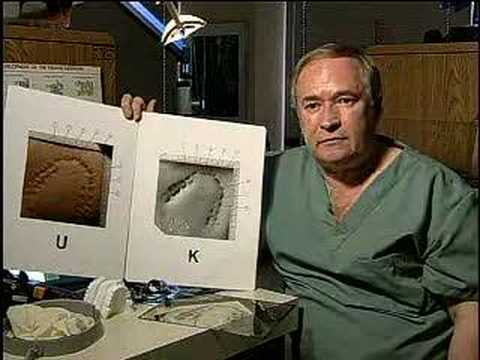
Bite marks, for instance. Ever heard of them? When someone gets bitten during an altercation, those bite marks can tell a serious story. Forensic odontologists—yeah, that’s a fancy term for dentists who work with law enforcement—can compare those bite marks to dental impressions of suspects. It’s like solving a puzzle! Imagine finding that one piece that clicks perfectly into place.
- Identifying Victims: Dental records are an essential tool when it comes to identifying remains. The thing is, your teeth have unique features; they carry details about your identity just like fingerprints do. So if someone goes missing or if there’s an accident, comparing dental records can reveal who that person is.
- Age Estimation: Another cool aspect is age estimation. The development of teeth changes as we grow older and forensic dentists can analyze this development to estimate someone’s age. This can really help in cases where they might not know much about the person at all.
- Telling True Stories: Also, teeth can tell stories about lifestyle! Like what someone ate or even if they used drugs in some cases. Believe it or not, certain substances leave traces on your teeth that hint at past habits or health issues.
You might wonder how accurate these methods are—well, they’re pretty reliable! While nothing is ever 100% sure in forensic science (because life isn’t as neat as we want it to be), experts have had great success using dental analysis. The experiences of detectives and forensic teams show just how vital this branch of dentistry is.
I remember reading this one case where a victim was identified through their dental records after being missing for years. It was incredibly moving to think how something as everyday as our teeth could play such a pivotal role in reuniting families and providing closure after tragedy.
The role of odontology in crime-solving really highlights how interdisciplinary science can be. It merges biology, chemistry, and even art in some instances when creating impressions or models of bites and other features! You see? Science isn’t just about lab coats and goggles; it’s also about real-life stories unfolding right before us!
In summary, odontology isn’t just drilling cavities; it’s digging deep into mysteries waiting to be solved with every little tooth involved!
Utilizing Dental Evidence: The Role of Teeth in Forensic Science Investigations
So, let’s chat a bit about how your teeth play a surprisingly critical role in forensic science. You might think of teeth as just tools for chomping down on food, but they’re actually like tiny time capsules that can tell investigators a lot about someone.
Teeth and Identification
When it comes to figuring out who someone is, dental records are like gold. They can be way more reliable than fingerprints sometimes. Why? Because every person’s mouth is unique. The shape of your teeth, their alignment, and even the wear patterns say a lot about you. So when the police find remains, they often turn to dentists to match those features with dental records.
Age Estimation
The thing is, teeth can also help estimate age. As we grow up, our teeth go through different stages. In kids, baby teeth emerge first and then get replaced by adult ones. But even in adults, there’s wear—chipping or grinding—and dentists know what to look for to guess an age range accurately.
Trauma Analysis
Your pearly whites can also reveal signs of trauma or disease! Crazy, right? Forensic dentists can identify fractures or unusual patterns that suggest physical altercations or even abuse. It’s like reading a story on your tooth enamel.
Bite Marks
Bite marks are another interesting avenue! If there’s an assault case where someone bites another person during a struggle, forensic odontologists can analyze those bite marks left on skin and compare them to the suspect’s dental impression. It’s wild how they can match up characteristics like width and depth of bite marks!
Cultural Context
Certain cultures have specific dental practices like filing teeth into shapes or adding decorative gold caps. These unique traits can offer insights not only into identification but also into lifestyle choices or cultural backgrounds.
So yeah, next time you smile or munch on something crunchy, remember: your teeth are way more than just part of your grin—they’re like little witnesses hiding secrets about your life! Whether it’s solving crimes or identifying remains, forensic odontology truly proves that sometimes those little things matter more than we think!
Exploring the Role of Forensic Odontology in Human Identification: A Scientific Perspective
Forensic odontology, or the study of teeth and bite marks, plays a serious role in human identification. You might not realize it, but our teeth can tell a story, like a unique fingerprint. Seriously! The thing is, every person’s dental structure is different, which makes it super useful when it comes to solving cases.
Identifying Remains
Imagine a situation where only skeletal remains are found, like after an accident or crime. Here’s where forensic odontologists come in. They can uncover identity clues by examining dental records. If someone’s been to the dentist in the past, their x-rays or treatment history could match up with the remains found. Instead of guessing who someone is, they get real evidence right from the teeth.
Bite Mark Analysis
Another interesting aspect involves bite mark analysis. It sounds wild but bites can actually be compared to dental molds taken from known suspects or victims. For example, if there’s a bite mark on an object at a crime scene, forensic experts measure it against bite impressions from suspects to see if they match up. This has helped nab criminals!
Age Estimation
What about figuring out how old someone is just by looking at their teeth? That’s another trick up an odontologist’s sleeve! Teeth develop in stages and can give clues about age—especially with children and adolescents whose teeth change rapidly as they grow.
Disaster Victim Identification
Think of natural disasters like earthquakes or tsunamis where bodies may not be recognizable due to decay or trauma—here’s where forensic odontology shines again! By matching dental records with remains found in catastrophe situations, families can get closure for their loved ones.
Working with Multidisciplinary Teams
It’s worth mentioning that forensic odontologists often work alongside other experts—like pathologists and criminologists—to piece together the puzzle of human identification. They share their findings which helps build stronger cases.
I remember reading about a case where forensic odontologists identified a victim who had been missing for years! They matched her dental records despite her body being unrecognizable due to damage over time. It was emotional for the family to finally have answers after all that time of uncertainty.
In essence, forensic odontology blends science and personal stories together through something as simple yet complex as our teeth. So next time you hear about this field, think about all those individual details that help solve mysteries and bring justice for people affected by crimes or disasters!
So, let’s talk about something that often gets the spotlight in crime shows, but you might not think about it in your everyday life: odontology. Yeah, that’s right—odontology, which is just a fancy term for the study of teeth. It sounds kinda basic, but hold on! This field has a seriously crucial role when it comes to solving crimes and helping identify victims.
You see, our teeth can tell a story. They’re unique to each person, much like fingerprints. Just imagine how many times we’ve all chomped down on our favorite foods or nibbled nervously on pencils while studying. Every munch leaves a mark! Dentists or forensic odontologists can analyze those marks and match them to dental records. When you think about it, it’s pretty wild how much information lies hidden in our mouths.
A while back, I was watching a documentary that followed a forensic odontologist who helped identify victims from natural disasters. There was this one story that really got to me—a family who lost their loved one in an earthquake. The way they shared how dental records provided closure struck me hard; those tiny bits of enamel could give them peace amidst such chaos. It’s crazy to think that something as simple as your pearly whites can play such an essential role in reuniting families or bringing justice.
Now imagine you’re working on a case where things get messy—literally! A fire or some severe decomposition can make other methods of identification nearly impossible. That’s where odontology shines again! Even damaged teeth can tell tales based on their shape and structure. And let’s not forget about bite marks; they’re like little clues left behind by suspects or victims that experts can analyze to piece together what happened.
But it isn’t just about figuring out who someone is—it also plays into legal matters too. Courts often rely on these findings for evidence in cases ranging from assaults to murders. When a reliable professional takes the stand and presents their findings with confidence, it adds weight to the entire investigation.
Of course, it’s important to note that odontology isn’t infallible—you know things happen! Sometimes bite marks can be ambiguous and lead to wrong conclusions if not handled carefully. But every field has its quirks and challenges.
So yeah, next time you’re enjoying a meal or flashing your smile at someone—it’s kinda cool to think about how those little bits of hard tissue are doing more than just helping you eat or look nice under the sun! They’re whispering secrets that could help solve mysteries or bring closure during heartbreaking times. Who knew teeth could be so powerful?